
 简体中文
 Русский
 Français
 Português
 Español
 لالعربية


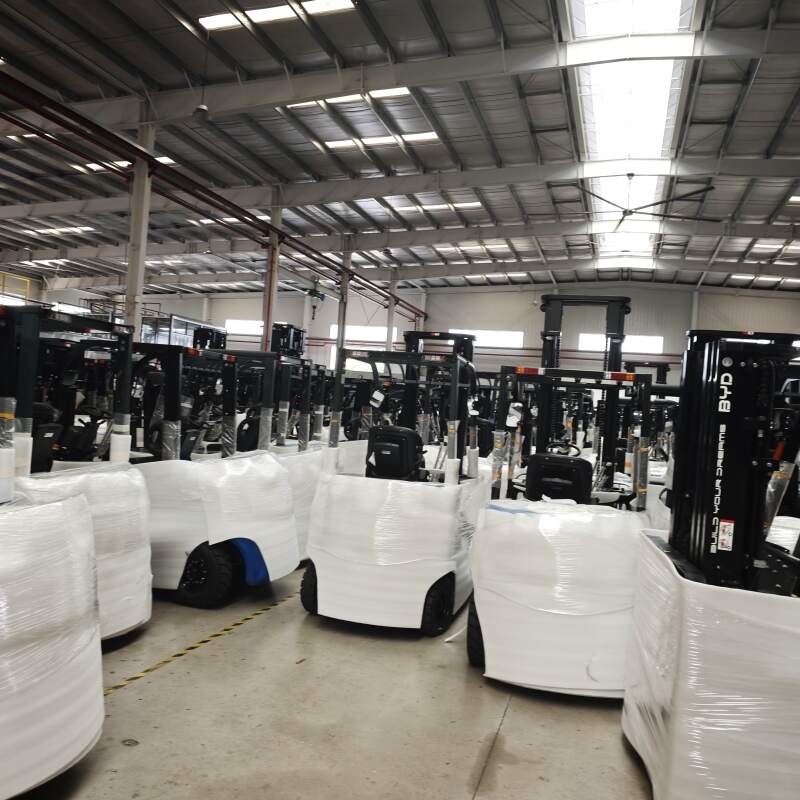
As low-carbon logistics becomes the mainstream trend in modern supply chains, electric forklifts have gradually become core equipment for most warehousing, manufacturing and distribution scenarios, thanks to their low noise, zero local emissions and flexible performance. A large number of operators and enterprise managers still lack systematic cognition of proper use and maintenance rules, which easily leads to unexpected performance degradation and extra operation cost that could be avoided.
Basic Operation Specification for Daily Use
All operators are suggested to complete standardized pre-job training before independent operation. Before starting any task, operators need to inspect the brake system, power display, wheel wear condition and lifting structure status to eliminate hidden risks in advance. It is not recommended to run the equipment beyond the rated load range for a long time. When driving on sloped roads, keep a steady low speed, and do not lift the cargo to a height higher than the safety threshold given by the equipment specification. Avoid sharp steering in narrow aisles to prevent scratches on surrounding shelves or nearby passing personnel. When the equipment needs to stop for a long time, lower the forks to a proper position, pull the handbrake and cut off the power supply.
Targeted Daily Maintenance Tips
Follow the standard charging rules matching the battery configuration, it is not advisable to start charging only after the battery is fully discharged. When the ambient temperature is lower than 0℃ or higher than 40℃, adjust the charging rhythm properly to protect the battery performance. Clean the dust and residual cargo debris on the body surface regularly, check whether the circuit connection ports are loose or oxidized. After the equipment reaches the specified cumulative working hours, arrange professional technicians to conduct a full system inspection, adjust the lubrication degree of transmission components, and replace the parts that exceed the wear standard in time.
Scene Adaptation to Maximize Equipment Value
Adjust the usage strategy according to different application scenarios. For high-humidity storage scenarios, check the moisture-proof protective layer of the motor and circuit regularly. For low-temperature outdoor operation scenarios, reserve a short preheating period for the battery before starting work, to avoid insufficient power output that affects operation efficiency. For high-frequency continuous operation scenarios, arrange reasonable shift scheduling and charging rotation to reduce the idle waiting time of the equipment, and increase the daily average cargo handling volume of single unit. Establishing a standardized use and maintenance system can effectively extend the service life of electric forklifts, reduce the operation investment in the whole life cycle, and help enterprises steadily improve the overall material handling efficiency.


