
 简体中文
 Русский
 Français
 Português
 Español
 لالعربية


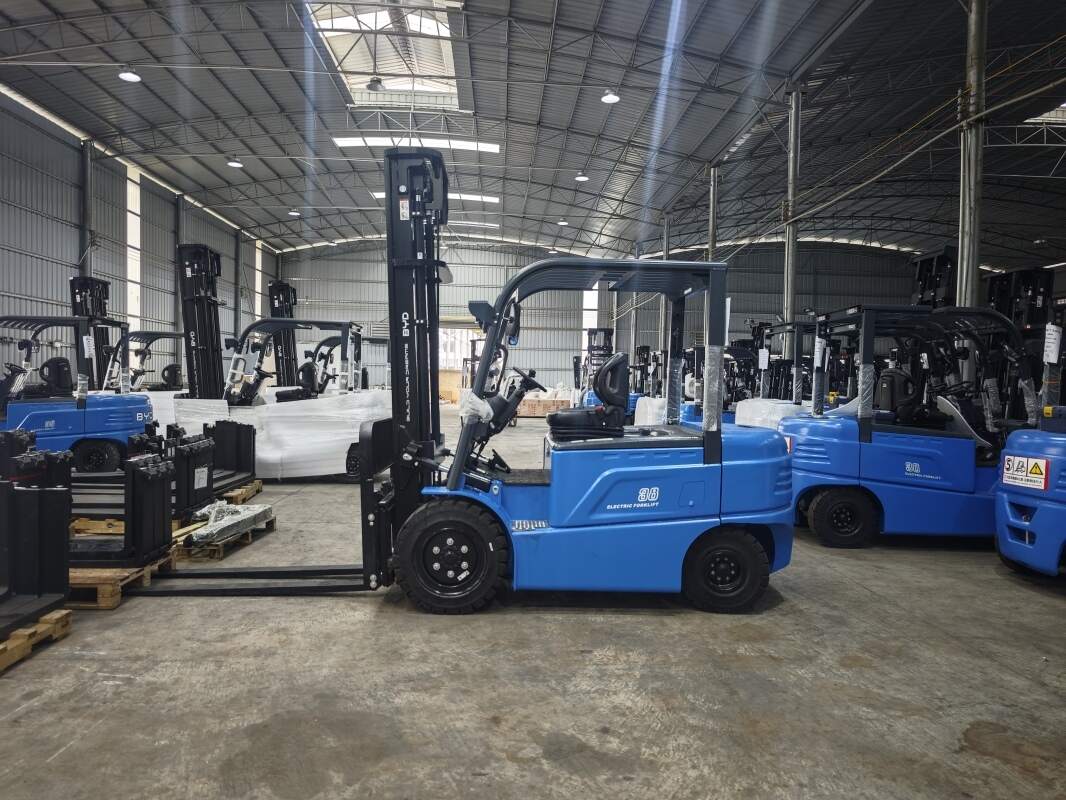
Against the background of the continuous popularization of low-carbon logistics concepts, electric forklifts have become one of the most widely used material handling equipment in modern warehousing, manufacturing and distribution scenarios, which have attracted increasing attention from industry practitioners for their friendly performance in closed working environments.
Core Functional Advantages of Electric Forklifts
Different from traditional internal combustion handling equipment, electric forklifts obtain power from on-board battery packs, which will not produce exhaust emissions during the operation process, and the overall operating noise level is controlled at a relatively low range. The torque output of the electric drive system is smoother, which can avoid the jitter of the goods during the lifting and moving process, and is more suitable for handling fragile goods such as electronic parts, food and pharmaceutical products. The operation control system is designed to fit the daily operation habits of the operators, and the learning threshold for new practitioners is relatively friendly.
Key Points of Daily Routine Maintenance
Regular standardized maintenance is the core premise to extend the service life of electric forklifts. Operators need to check the battery surface condition, wiring tightness and electric quantity status before starting the equipment every day, avoid deep over-discharge that may cause irreversible damage to the battery pack, and regularly check the wear degree of the brake components and the sealing performance of the hydraulic lifting system. It is recommended to arrange professional technical personnel to conduct a comprehensive system inspection every certain working hours, timely replace the worn parts, and reduce the probability of sudden equipment failure during peak operation periods.
Scenario Matching for Better Operational Performance
Before selecting and putting electric forklifts into use, it is necessary to combine the actual space size of the operation site, the average load weight of the handled goods, the height of the shelf and the environmental temperature conditions to select equipment with matching parameters. Operators can plan the fixed operation route reasonably, avoid frequent sharp turns and sudden braking during the operation process, and regularly carry out standardized operation training for the on-site team, which can effectively reduce unnecessary component loss and improve the overall turnover efficiency of material handling. Scientific operation and maintenance management can help enterprises effectively control the long-term comprehensive operation cost, and better adapt to the development trend of low-carbon and efficient modern logistics systems.


