
 简体中文
 Русский
 Français
 Português
 Español
 لالعربية


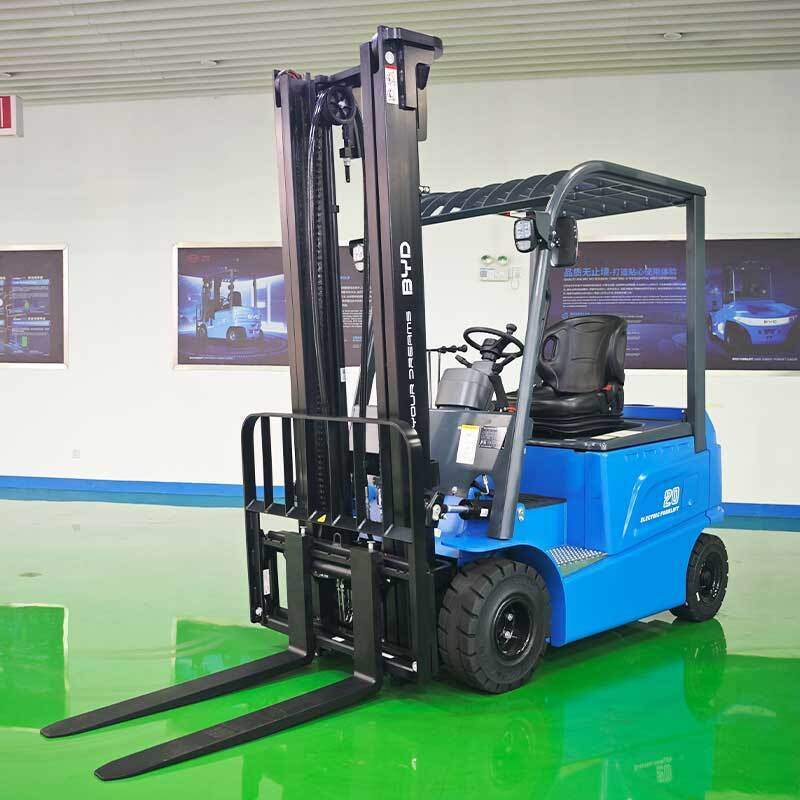
As the core equipment for modern warehouse material handling, electric forklifts have been widely applied for their low noise and zero local emission features, and standardized operation and regular maintenance can effectively bring their performance into full play in daily work.
Pre-operation Mandatory Inspection Steps
Before each shift of operation, operators need to complete basic checks without omission, starting from the appearance status of the whole vehicle to confirm no obvious deformation, damage or exposed wiring on the body structure, then check the remaining power level of the power pack to ensure it can support the estimated working hours of the shift. Operators also need to test the flexibility of the steering system, lifting mechanism and braking device, to confirm all functions respond smoothly without lag or abnormal stutter. All related operation switches, warning lights and safety alert devices should also be verified to be in normal working status, to rule out hidden risks before formal operation.
Standard Daily Operation Rules to Reduce Wear
In the formal working process, operators need to keep the running speed within the allowed range according to the site condition, avoid sharp turning, sudden braking and frequent high-load lifting under overweight status, to reduce extra consumption of mechanical components. When the forklift is moving, the load on the forks should be kept at a low and stable position, the lifting operation is only allowed to be carried out in static status, not in the moving process. Operators should also maintain a clear view of the surrounding passage, keep safe distance with surrounding personnel, goods and facilities in the warehouse, to avoid unnecessary collision that may cause equipment damage or safety risks.
Routine Maintenance Practices to Prolong Service Life
After each shift, operators need to clean the dust, debris and residue attached to the vehicle surface, especially the ventilation gaps of the power system and electrical components, to avoid dust accumulation affecting heat dissipation effect. After long-time high-intensity use, regular professional check of the wear status of tires, transmission parts and contact points of the power system is suggested, complete proper lubrication for moving parts according to the operation manual, replace the worn components in time when the wear degree exceeds the allowed threshold. Proper charge operation in line with official requirements can also keep the power pack in good status for long term, avoiding over charge or over discharge that may damage the inner structure.


