
 简体中文
 Русский
 Français
 Português
 Español
 لالعربية


With the wide application of electric forklifts in warehousing, manufacturing and modern logistics scenarios, forklift telematics has gradually become a recognized digital management tool for fleet supervisors to grasp real-time equipment status. Before launching relevant systems, enterprises need to sort out multiple core considerations to avoid mismatched investment, and obtain stable expected management returns.
The first core consideration is reasonable matching of functional demands. Enterprises should not blindly pursue overly complicated redundant functions that far exceed actual scenario needs. For small and medium-sized fleets with less than 20 electric forklifts, core demands usually cover real-time position tracking, operation hour statistics, over-speed and non-compliant movement alert, which can help managers arrange regular maintenance schedules in advance, reduce unplanned equipment downtime and avoid unnecessary idle loss. For large fleets covering multi-site cross-region operation, extended functions including automatic operation behavior analysis, safety incident trace recording and vehicle energy consumption data statistics can bring higher long-term management value, to reduce invalid power consumption of long-idle equipment and cut comprehensive operation cost.
The second key consideration is full check of data security and system compatibility. When selecting forklift telematics solutions, users need to confirm that the whole process of data transmission and local storage meets local data regulatory requirements, to avoid potential information leakage risk of internal operation data. Meanwhile, the system should keep good compatibility with existing electric forklift hardware, original internal management software and on-site network environment, to avoid extra transformation cost caused by large-scale modification of original equipment.
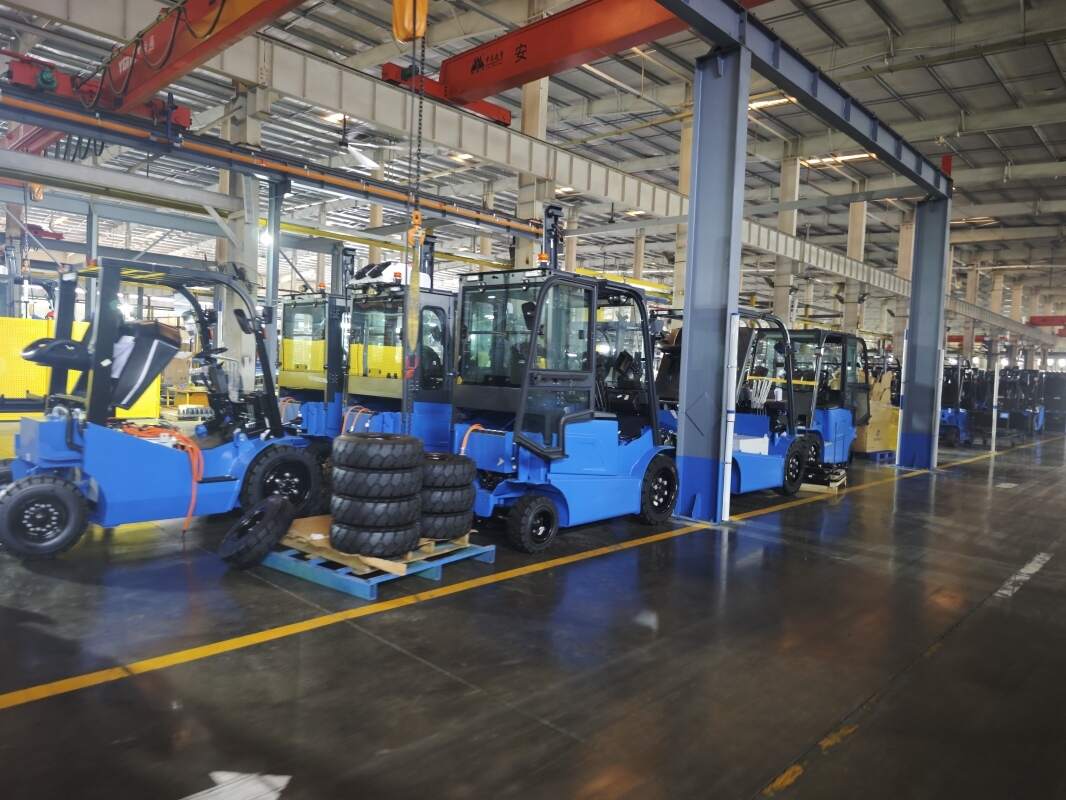
The third important consideration is full preparation of staff communication and post-launch training. The deployment of telematics system should not only be promoted from the management side, but also fully communicated with on-site forklift operators in advance. It should be clearly explained that the system helps reduce safety risks caused by non-standard operation, and provides more clear basis for standardized performance assessment of frontline staff, rather than being positioned as a pure monitoring tool. Corresponding targeted operation training should be arranged after the system goes online, to let frontline staff know how to check their own operation data and adjust non-standard operation habits in time.
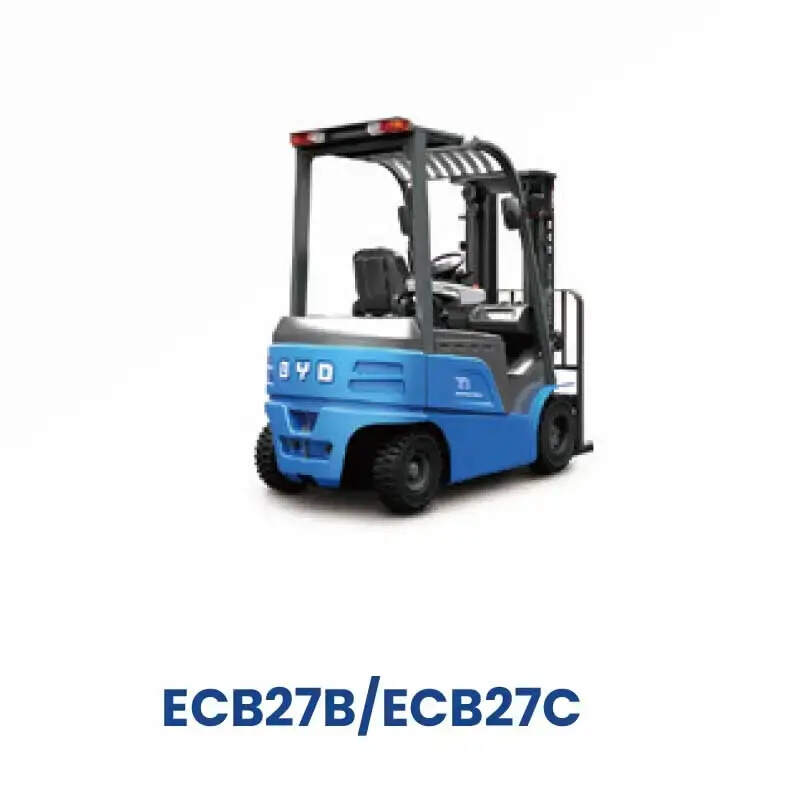
Jianshu New Energy, we focus on providing high-quality BYD electric forklift and related supporting digital management services. If you have any demand for electric forklift fleet management and telematics configuration consultation, you can contact us via [email protected] for more tailored solutions.


