
 简体中文
 Русский
 Français
 Português
 Español
 لالعربية


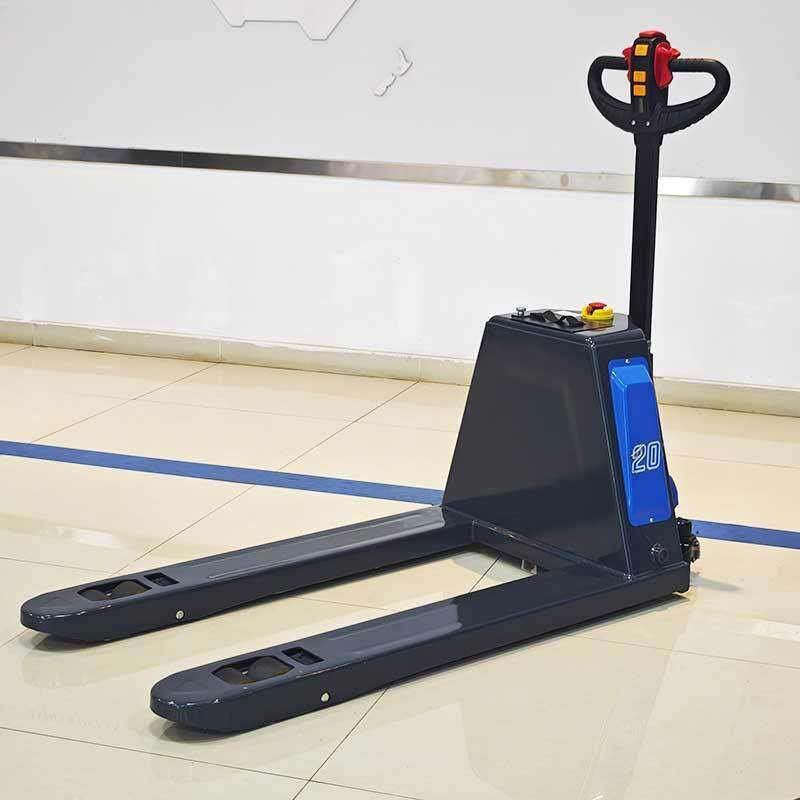
Against the background of low-carbon development trend in modern logistics industry, electric forklifts have become one of the most widely used material handling equipment in various storage and industrial scenarios. Mastering correct use, maintenance and operation rules can help operators give full play to the performance of equipment, reduce operation risks, and extend the overall service cycle of the equipment.
Core Pre-operation Inspection Specifications
Before starting each shift of operation, operators need to complete a series of basic inspection work first, to exclude hidden troubles that may affect normal use. The main inspection items include the remaining power status of the power system, the flexibility of the braking and steering system, the wear degree of load-bearing tires, the sensitivity of each operating handle, and the integrity of the safety warning light. If any abnormal state is found during inspection, relevant troubleshooting work should be carried out in time, and the equipment should not be put into operation with hidden troubles.
Standardized Daily Operation Norms
In the formal operation process, operators need to strictly refer to the rated load parameters of the equipment, and do not carry over-limit goods for a long time to avoid extra load loss to the equipment structure. When driving in the warehouse passage, operators should keep a proper safe distance from surrounding personnel and storage shelves, reduce the driving speed when turning, and avoid sharp steering on sloped roads. After the daily operation is completed, operators should park the equipment in the designated area, lower the load fork to a safe height, cut off the main power supply, and avoid idle power consumption for a long time.
Routine Maintenance and Care Guidelines
Regular daily maintenance work can effectively reduce the failure rate of electric forklifts. Operators can clean the dust and sundries accumulated on the surface of the body and the transmission parts on a regular basis, check the liquid level of the power battery as required, avoid deep over-discharge of the battery in daily use, and complete the charging work in a dry and ventilated special area. The transmission and moving parts can be lubricated regularly according to the use frequency, and the seriously worn vulnerable parts can be replaced in time, which can maintain the stable operation state of the equipment for a long time.
Scenario Adaptation Optimization Suggestions
For different application scenarios, operators can also adjust the use strategy appropriately according to the actual situation. For narrow aisle storage scenarios, operators can control the driving speed and keep the turning route smooth to avoid collision with surrounding shelves. For low temperature working environment, proper insulation measures can be taken for the power battery to avoid the attenuation of power performance. When carrying out high-intensity continuous operation, proper rest interval can be reserved to avoid overheating of the power system, so as to obtain better operation efficiency.


