
 简体中文
 Русский
 Français
 Português
 Español
 لالعربية


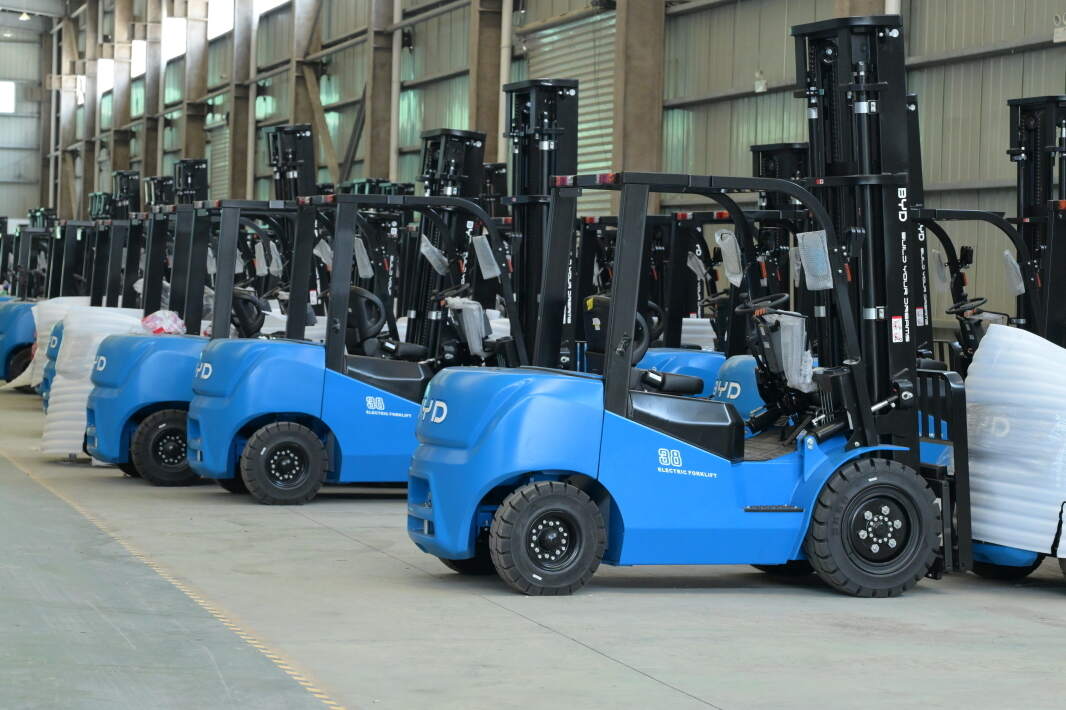
As low-carbon industrial logistics development gains momentum across multiple application scenarios, electric forklifts have become a mainstream material handling choice for indoor warehouses, manufacturing workshops and distribution centers, with advantages of low noise, zero direct emissions and flexible operation. A large number of new and long-term users still lack systematic cognition of proper use norms and scientific maintenance methods, which may cause unnecessary performance attenuation and unexpected unplanned downtime.
Core Operation Specifications for Daily Use
Before each shift of operation, operators need to complete basic pre-detection work, including checking the remaining battery power, brake sensitivity, fork wear condition and the response of all operation levers. Users should strictly follow the rated load parameter to arrange handling tasks, avoid long-term overloading to prevent structural deformation of the load frame and abnormal wear of the support wheels. When passing through narrow warehouse aisles or operation areas with dense personnel, operators need to keep a sufficient safe distance from surrounding shelves, stacked goods and passing staff, avoid sudden acceleration or sharp steering to prevent goods from falling or vehicle tilting.
Routine Maintenance to Optimize Equipment Status
Different from internal combustion handling equipment, electric forklifts focus on the maintenance of power system and electrical components. Users can clean the dust and sundries accumulated on the surface of drive motor and control module every 1 to 2 weeks, check the connection terminals of the battery for corrosion or loose contact, add appropriate amount of distilled water to lead-acid batteries as required to avoid irreversible damage to the internal plates. It is not recommended to expose the whole vehicle to long-term strong sunlight or heavy rain immersion, especially the exposed electrical interfaces, to prevent short circuit fault caused by moisture. Regularly detect the wear degree of driving wheels and load bearing wheels, replace the severely worn parts in time to keep the driving stable.
Energy Efficiency Optimization and Safety Management
Cultivating reasonable operation habits can effectively reduce unnecessary power consumption, and extend the single continuous working duration of the equipment. Operators can plan the material handling route in advance to reduce no-load driving distance, avoid frequent start and stop on uneven road surfaces. If the equipment needs to be stored for a long time, users can charge the battery to 50% to 60% of full capacity before turning off the main power switch, and perform a supplementary charge every 1 to 2 months. Enterprises can formulate corresponding operation management rules for on-site personnel, arrange regular safety skill training, to reduce the probability of operation errors and potential safety risks.


