
 简体中文
 Русский
 Français
 Português
 Español
 لالعربية


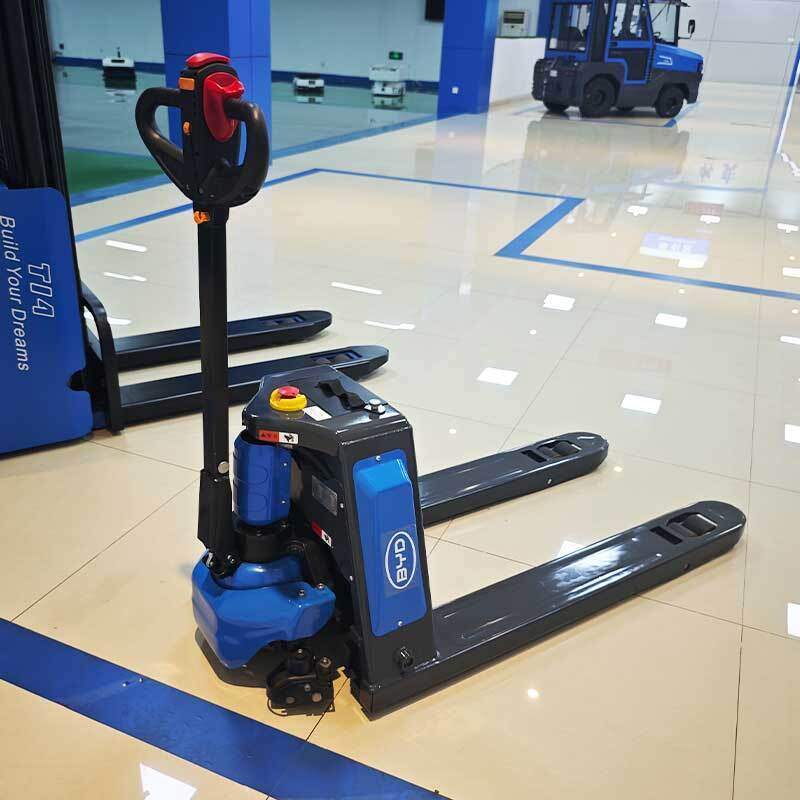
With the continuous growth of low-carbon logistics demand across different industrial scenarios, electric forklifts have gradually become one of the most widely used material handling equipment in indoor warehouses, manufacturing workshops and distribution centers. A comprehensive understanding of its operation rules and maintenance skills can help relevant practitioners better leverage the equipment’s performance in daily work.
Core Advantages of Modern Electric Forklifts
Compared with traditional internal combustion handling equipment, electric forklifts run with lower noise level and zero tail gas emission, which can meet the environmental protection requirements of closed working scenarios such as food storage and pharmaceutical warehouses. Most models adopt modular power system design, which has relatively lower overall operating cost in long-term use scenarios, and can fit the operation requirements of most enclosed working environments.
Standard Daily Operation Specifications
Before starting each shift, operators need to conduct a basic inspection of the vehicle’s brake system, steering sensitivity and tire status, to eliminate hidden risks in advance. During the operation process, operators should avoid sudden acceleration and sharp turning with heavy loads, and keep the load within the rated load range marked on the equipment nameplate. For high-lift operation scenarios, relevant personnel need to keep the view unobstructed and remind surrounding staff to stay away from the working area of the cargo fork.
Routine Maintenance Points
After each daily use, operators need to wipe the surface of the equipment and clean the sundries stuck in the gap of the cargo fork and walking wheel structure. It is necessary to check the electrolyte level of the power battery regularly according to the product instruction, and arrange professional personnel to conduct targeted inspection of the motor and control system on a fixed cycle. Proper maintenance habits can effectively reduce the probability of unexpected equipment failure in peak operation periods.
Energy Efficiency Optimization Suggestions
In the actual use process, reasonably planning the handling route can reduce the unnecessary driving distance of the equipment, which can effectively reduce power consumption and extend the single continuous working time of the equipment. Avoid storing the equipment in a high temperature or humid environment for a long time, which can help maintain the stability of the power system and extend the overall service life of the equipment.


