
 简体中文
 Русский
 Français
 Português
 Español
 لالعربية


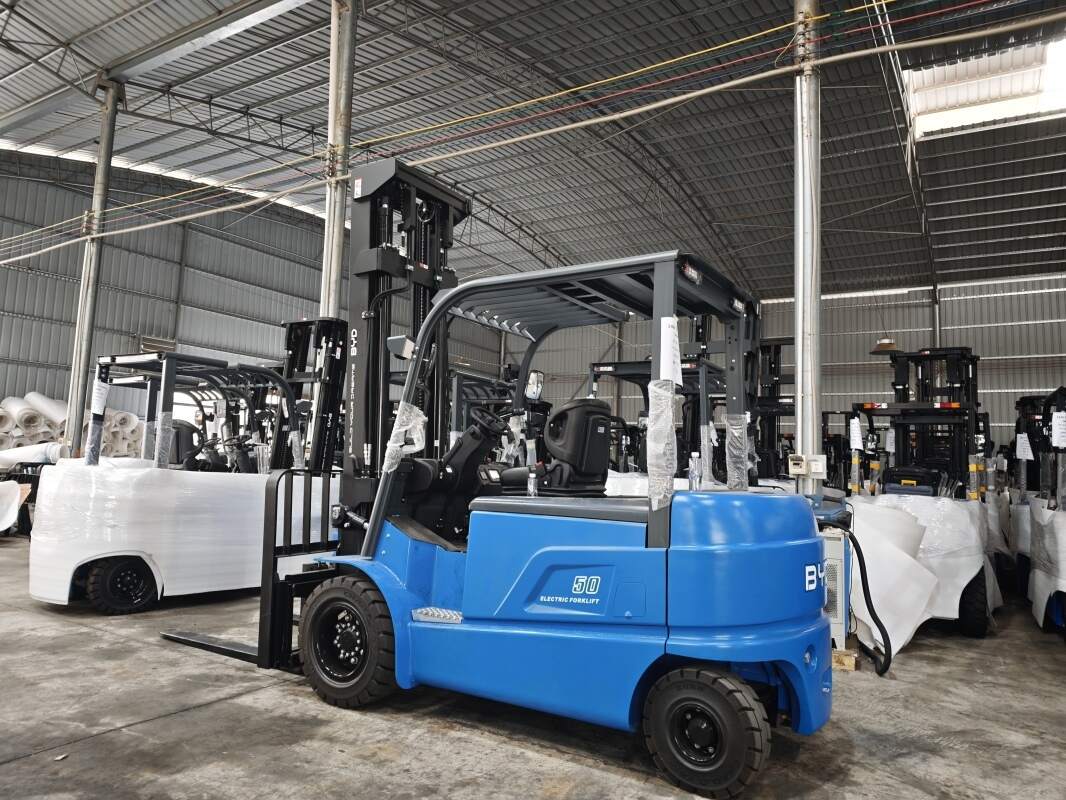
As core material handling equipment for modern logistics and warehousing scenarios, electric forklifts have gradually become a preferred option for many operation teams thanks to their low noise, zero local emission and relatively low long-term operation cost. Many frontline operators and logistics managers still lack systematic, practical guidance to maximize the value of such equipment in daily use.
Core Performance Characteristics of Electric Forklifts in Common Application Scenarios
Unlike internal combustion counterparts, electric forklifts rely on stored electric energy to provide power output, which is more suitable for closed indoor working environments such as raw material warehouses, finished goods storage areas, and retail distribution centers. Their operation process does not produce exhaust gas that may cause discomfort to staff or pollute stored goods, and the overall noise level during operation is much lower than traditional fuel-powered handling equipment, which helps create a more comfortable working environment for on-site staff. For scenarios with long continuous operation requirements, matching with appropriate supporting charging facilities can also keep the equipment running stably within the specified working hours.
Standardized Operation Specifications to Reduce Unnecessary Wear
Operators need to receive systematic pre-job training before formally taking up the post, to fully master the control logic of the hydraulic lifting system, steering mechanism and power output adjustment function. Before starting the equipment every shift, operators need to check the remaining power level, the flexibility of the braking system, and the surface condition of the loading fork, to avoid starting operation with hidden risks. In the process of handling goods, it is not recommended to carry loads beyond the rated load range for a long time, and keep the goods at a reasonable low height when driving on ramps or uneven road surfaces, to reduce the wear of the driving motor and the support structure.
Daily Maintenance Guidelines to Stabilize Long-term Operation Performance
Regular daily maintenance work does not require overly complex professional operations, most of the routine inspection items can be completed by on-site management personnel. The outer surface of the energy storage component needs to be kept clean and dry, and the connection terminals should be checked regularly to avoid poor contact caused by dust or moisture. After the end of each high-intensity operation cycle, the equipment can be parked in a designated ventilated area for proper heat dissipation, which helps to extend the overall service life of the core power components. Regularly inspect the wear degree of the driving wheels and lubricate the rotating parts according to the official operation manual, can effectively reduce the probability of sudden failure during peak operation hours.


