
 简体中文
 Русский
 Français
 Português
 Español
 لالعربية


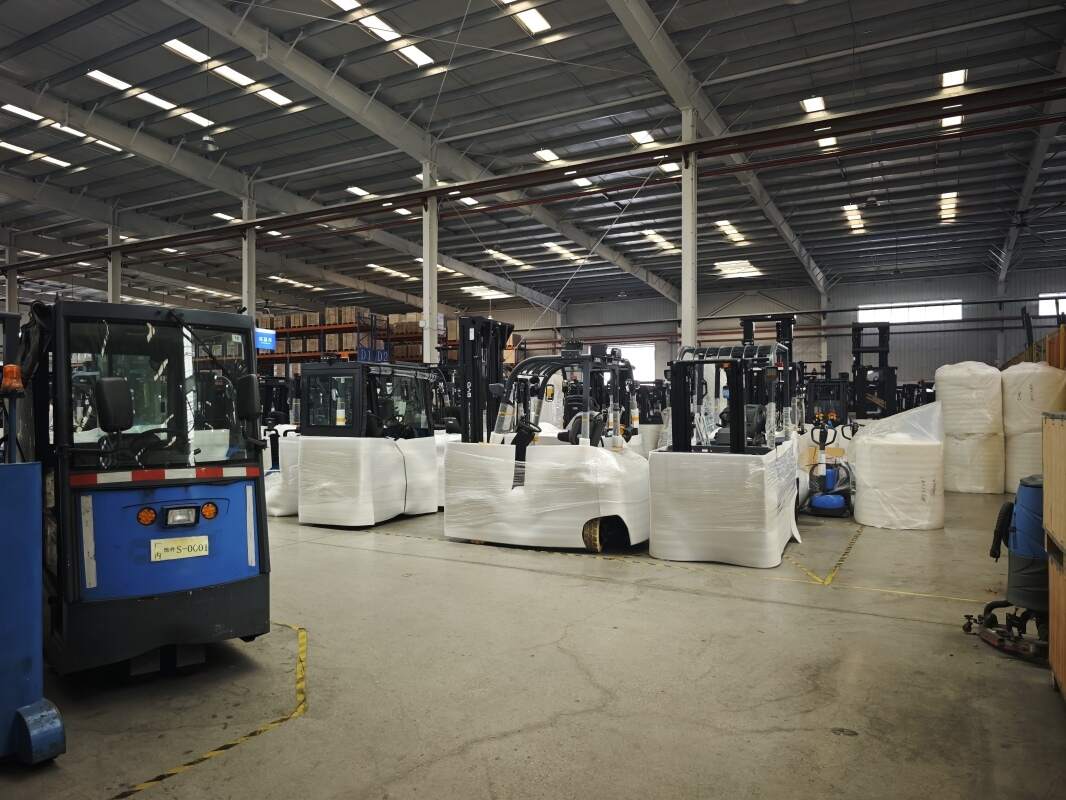
As low-carbon logistics development becomes the mainstream trend in the industrial material handling sector, electric forklifts have gained wider adoption across different warehouse, port and manufacturing scenarios in recent years. Many frontline operators and logistics managers want to acquire systematic practical knowledge to maximize the value of such equipment in daily operations.
Core Operational Advantages of Electric Forklifts
Compared with traditional internal combustion handling equipment, electric forklifts produce no exhaust emissions during the whole operation process, which can meet the indoor closed working environment’s environmental protection requirements. Their operation noise is kept at a relatively low level, which will not cause continuous noise interference to on-site staff working for long shifts. The power output of electric forklifts can be adjusted smoothly according to different load demands, which delivers relatively stable handling performance during frequent start and stop operations in narrow warehouse aisles.
Key Points of Daily Routine Maintenance
Regular daily maintenance work can effectively extend the service life of electric forklifts and reduce unexpected downtime in peak operation periods. Operators need to check the remaining power level before each shift, and wipe the surface of the power unit to prevent dust accumulation that may affect heat dissipation. It is also necessary to regularly inspect the wear condition of walking wheels, lifting chains and brake components, and replace worn parts in time according to the equipment operation manual. Operators should also follow the official guidance to complete the full charging process properly, avoid over-discharging the power storage unit to maintain its overall performance.
Scenario Adaptation Principles for Different Use Cases
When selecting and using electric forklifts, users need to match the corresponding load capacity and lifting height parameters according to their actual operation demands. For narrow aisle scenarios that require frequent turning, users can choose products with smaller turning radius to improve the passing efficiency. For outdoor operation scenarios with certain rainy weather, users should select equipment with corresponding waterproof protection level to ensure normal operation. Users can also adjust the accessory configurations such as fork extensions and bucket attachments according to different material handling demands to expand the application scope of the equipment. With reasonable operation and proper maintenance, electric forklifts can help logistics operation teams get relatively good comprehensive economic benefits in long term use.


