
 简体中文
 Русский
 Français
 Português
 Español
 لالعربية


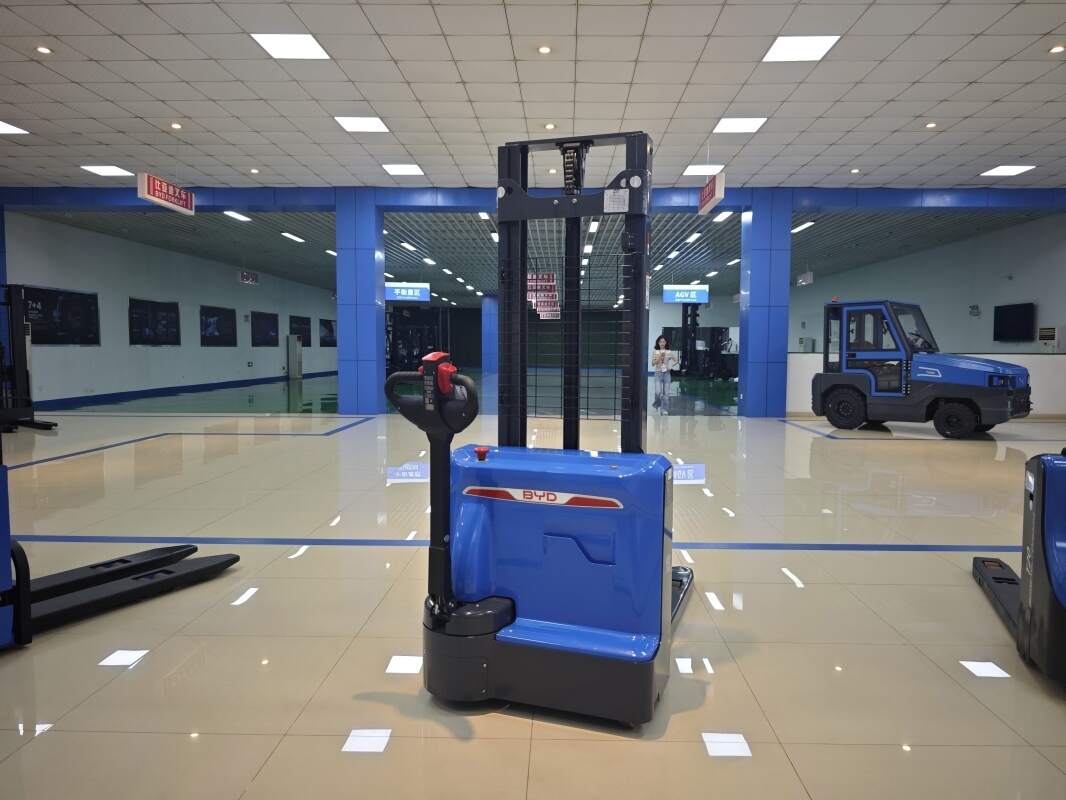
Nowadays, electric forklifts have become one of the most widely applied material handling equipment in indoor logistics, warehouse storage and light industrial operation scenarios, thanks to their low noise level, zero on-site emission and relatively flexible operation threshold. Mastering standard usage rules and proper maintenance methods can help operators get more stable performance output, reduce unnecessary operating cost, and lower potential safety risks during daily work.
Core Pre-operation Inspection Specifications
Before starting any formal operation, operators need to complete a series of basic check steps to eliminate hidden risks in advance. First, check the remaining power level of the power module to ensure it can support the estimated working hours of the day, to avoid sudden power outage in the middle of high-altitude cargo stacking operation. Second, check the flexibility of the steering system, brake function and lifting hydraulic structure, to confirm there is no abnormal stuck, delay or abnormal sound during trial movement. Third, check the wear condition of the walking wheels, the tightness of the fork fixing parts, and the intact state of all safety warning lights and alarm devices.
Daily Usage Operation Best Practices
During formal operation, operators need to follow the load range specified in the equipment manual, do not carry over-weighted or unbalanced loaded goods for a long time, which may cause extra loss to the driving motor and the lifting structure. When turning in narrow warehouse aisles, operators need to slow down in advance, pay attention to the surrounding pedestrians and stacked goods, avoid sharp steering at high speed to prevent goods from slipping off the fork. For long-distance transfer of goods in large logistics yards, try to choose a flat and firm driving path, reduce the frequency of passing on uneven road sections to avoid excessive vibration of internal components.
Routine Maintenance for Long-Term Stable Operation
Regular maintenance work can effectively extend the overall service life of electric forklifts, and reduce the probability of unexpected failure during peak working periods. After each daily shift, operators need to wipe off the dust, cargo residue and water stains on the surface of the equipment, check the connection port of the power module, and place the equipment in a ventilated and dry designated parking area. Do not leave the equipment in a high temperature, high humidity or corrosive environment for a long time. Arrange professional personnel to conduct a full inspection of the circuit system, transmission structure and hydraulic parts every 30 days, replace the worn lubricating oil and damaged vulnerable parts in time, to keep the equipment in a good working state.
Scenario-based Performance Optimization Suggestions
For different application scenarios, users can adjust the operation parameters of the equipment appropriately according to actual demands, to get more matching use effect. For low-temperature working environments in winter, preheat the power module for 2 to 3 minutes before formal operation, to get more stable power output. For high-frequency goods stacking scenarios above 3 meters, avoid lifting the fork to the highest limit for a long time, which can reduce the load of the hydraulic system. Such small adjustments can bring more stable operation experience in long-term use.


