
 简体中文
 Русский
 Français
 Português
 Español
 لالعربية


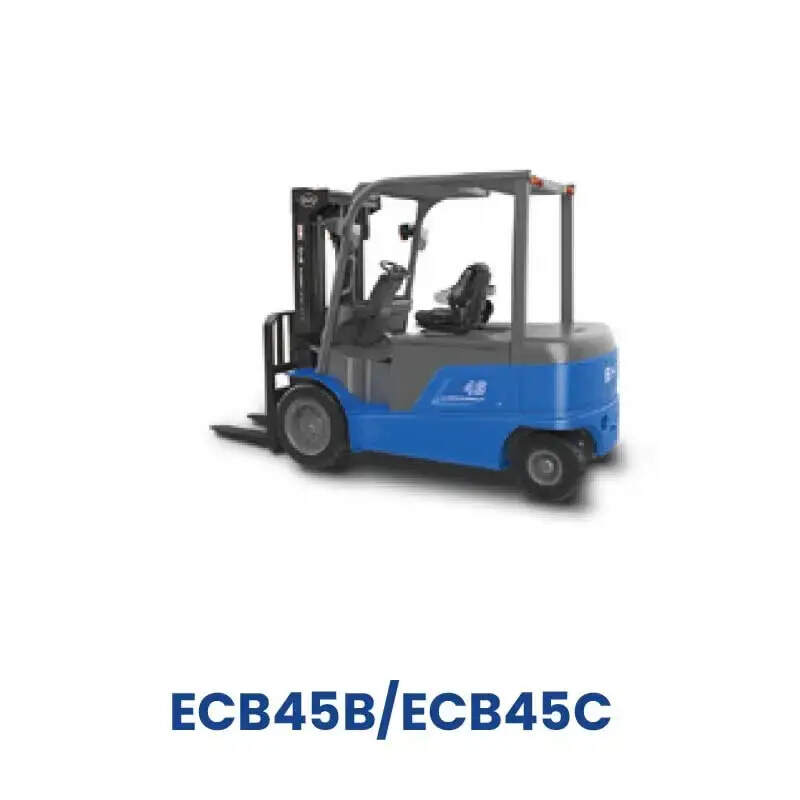
With the continuous development of low-carbon industrial logistics, electric forklifts have become a core piece of material handling equipment widely adopted in warehouse, manufacturing and retail distribution scenarios in recent years. Compared with traditional internal combustion counterparts, its operational logic and usage scenarios have distinct characteristics that require targeted mastering for operators and enterprise facility managers.
Core Performance Characteristics of Electric Forklifts
Most modern electric forklift models rely on rechargeable power units to provide power for lifting, traveling and steering systems, which produces far less noise and no exhaust emission during operation. This feature makes them highly suitable for enclosed indoor working spaces where air circulation is limited, such as food processing workshops, pharmaceutical storage areas and e-commerce sorting warehouses. The power output curve of electric motors also provides smoother torque output during low-speed traveling and cargo lifting processes, which reduces the jitter of heavy loads and lowers the risk of cargo damage during handling operations. The whole structure of most electric forklifts also has fewer vulnerable moving parts, which can cut down the frequency of partial component replacement in daily usage.
Standardized Operation Specifications for Daily Use
Before starting each shift, operators need to complete a pre-shift inspection covering the remaining power level, braking system, lifting fork deformation condition and warning light status. During operation, operators need to keep the load center within the rated allowable range specified in the product manual, avoid sharp turning with high lifting height of goods, and adjust traveling speed according to the ground condition and surrounding pedestrian flow. It is also recommended to arrange special operation channels for electric forklifts in the work site to separate pedestrian routes and cargo stacking areas, which can reduce potential collision risks effectively. New operators are suggested to complete systematic skill training before independent operation to get familiar with the response logic of different control components.
Necessary Routine Maintenance Measures
To keep electric forklifts stay in good working condition for a longer period, teams can arrange regular maintenance work following the official guidance. For the power unit, staff need to check the connection terminals and surface cleanliness regularly, complete standardized charging operations in designated ventilation areas, and avoid over-discharging the power supply unit for a long time. For the hydraulic lifting system, regular inspection of hydraulic oil level and sealing component status can reduce the probability of oil leakage and unsmooth lifting. After each shift, operators can park the vehicle in the designated area, lower the lifting forks to a safe position, and cut off the total power supply to avoid unnecessary power consumption. With correct operation habits and reasonable maintenance arrangements, electric forklifts can create stable and reliable material handling support for various industrial application scenarios.


