
 简体中文
 Русский
 Français
 Português
 Español
 لالعربية


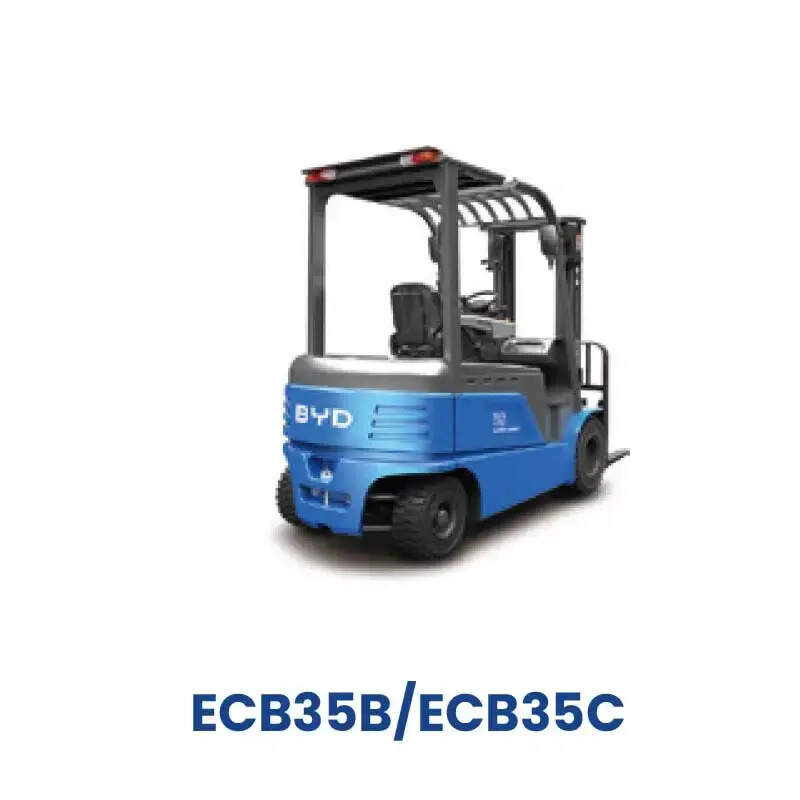
As low-carbon logistics equipment gains wider popularity across industrial storage and distribution scenarios, electric forklifts have become a common choice for most material handling teams for their low noise, zero local emission and relatively low operation cost features. Mastering systematic professional knowledge of electric forklift use and management can help teams give full play to the equipment’s advantages in daily work.
Core Operation Specifications for Daily Use
Before starting the equipment every shift, operators need to check the state of energy storage components, brake system, lifting mechanism and warning lights first to rule out hidden safety risks in advance. During the operation process, operators need to follow the site speed limit rules, keep proper distance from surrounding personnel and obstacles, avoid overloading beyond the rated load marked on the equipment nameplate, and adjust the mast angle reasonably according to the height of the goods to prevent the goods from slipping off. When the operation needs to be suspended temporarily, the operator should lower the carrying fork to the lowest position, pull up the hand brake and cut off the main power supply if leaving the equipment for a long time. Operators should also avoid using the equipment to carry personnel for movement to reduce unnecessary safety risks.
Routine Maintenance Points to Extend Service Life
Regular daily maintenance work can reduce the failure rate of electric forklifts effectively and avoid unnecessary downtime caused by sudden equipment damage. Operators need to clean the dust and sundries accumulated on the surface of the body and energy storage components after each shift, check the electrolyte level of the corresponding components according to the product manual requirements on a regular basis, and arrange professional personnel to inspect the wear degree of walking wheels, transmission parts and control circuit connections at fixed intervals. It is not recommended to store the equipment in a humid environment with drastic temperature changes for a long time, and keep the energy storage components in a reasonable charge state during long-term idle period to avoid irreversible performance attenuation.
Optimization Tips to Boost Handling Efficiency
Combined with the actual layout of the warehouse operation site, the management team can adjust the operation route of electric forklifts reasonably, set up special charging and parking areas close to the high-frequency handling area, and reduce the unnecessary empty driving distance in the work process. Operators can also arrange the handling sequence reasonably according to the storage location of goods, reduce the frequent repeated lifting and lowering actions without load, so as to reduce unnecessary energy consumption and improve the unit operation efficiency. Relevant teams can also arrange regular operation skill training for personnel, to help operators get familiar with the performance characteristics of the equipment, and form standardized operation habits in long-term practice.


