
 简体中文
 Русский
 Français
 Português
 Español
 لالعربية


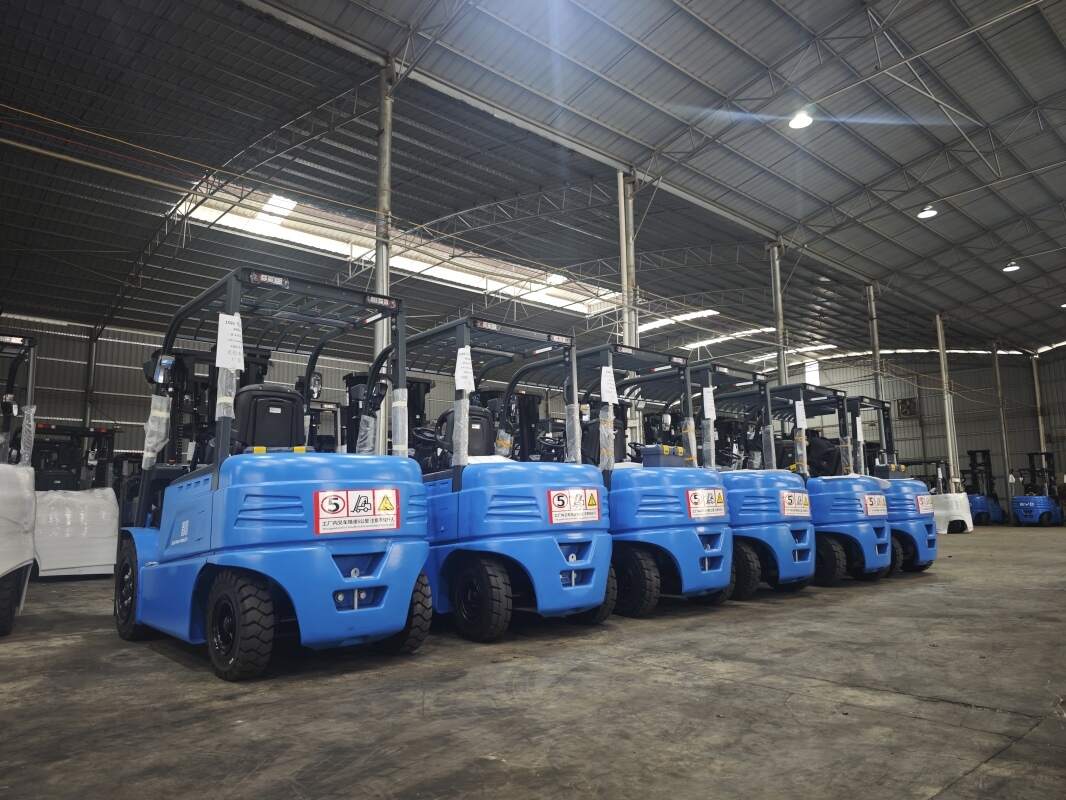
Against the background of continuous development of green logistics, electric forklifts have gradually become one of the most widely used material handling equipment in closed operation spaces such as warehouses, factories and distribution centers. Compared with traditional internal combustion counterparts, its operation characteristics have different requirements for users and daily management, and systematic understanding of related knowledge can help operation teams give full play to the value of the equipment.
Core Performance Characteristics of Electric Forklifts
Most modern electric forklifts adopt energy storage power modules as the power source, which will not produce exhaust emissions during the whole operation process, and the overall operation noise is kept at a relatively low level. This feature makes it more suitable for long-term operation in enclosed spaces with high requirements for air quality and noise control, and will not cause adverse effects on the working environment of surrounding staff. Its power output mode is relatively stable, and the adjustment of forward, backward, lifting and other actions is relatively smooth, which can reduce the vibration of the loaded goods in the handling process, and lower the probability of damage to fragile packaged goods.
Key Points of Routine Daily Maintenance
Daily maintenance work does not need complex professional operation, and front-line operators can complete most of the inspection work before and after the shift. The first step is to check the residual power of the energy storage module before starting the machine every day, confirm that the power is sufficient to support the operation tasks of the shift, and avoid sudden power failure in the process of high-altitude cargo picking and placing. Then check the wear degree of the tire surface, the flexibility of the brake response, and the normal operation state of the lighting and warning light devices. After the daily operation, the equipment should be parked in the designated parking area, the power switch should be turned off in time, and the charging operation should be carried out in accordance with the specified operation specifications, so as to avoid the damage to the power module caused by overcharging or long-term power loss.
Scenario Matching and Operation Safety Specifications
In different operation scenarios, operators need to adjust the operation mode appropriately. When working in narrow channel spaces, the moving speed should be controlled at a low level, and sufficient reaction space should be reserved for avoiding passing personnel and shelf supports. When handling heavy goods close to the rated load range, the center of gravity of the goods should be kept stable as far as possible, and no sharp turning or sudden braking action should be carried out. Regular safety operation training for operators can effectively reduce the probability of operational errors, and create a safer and more efficient material handling operation environment.


