
 简体中文
 Русский
 Français
 Português
 Español
 لالعربية


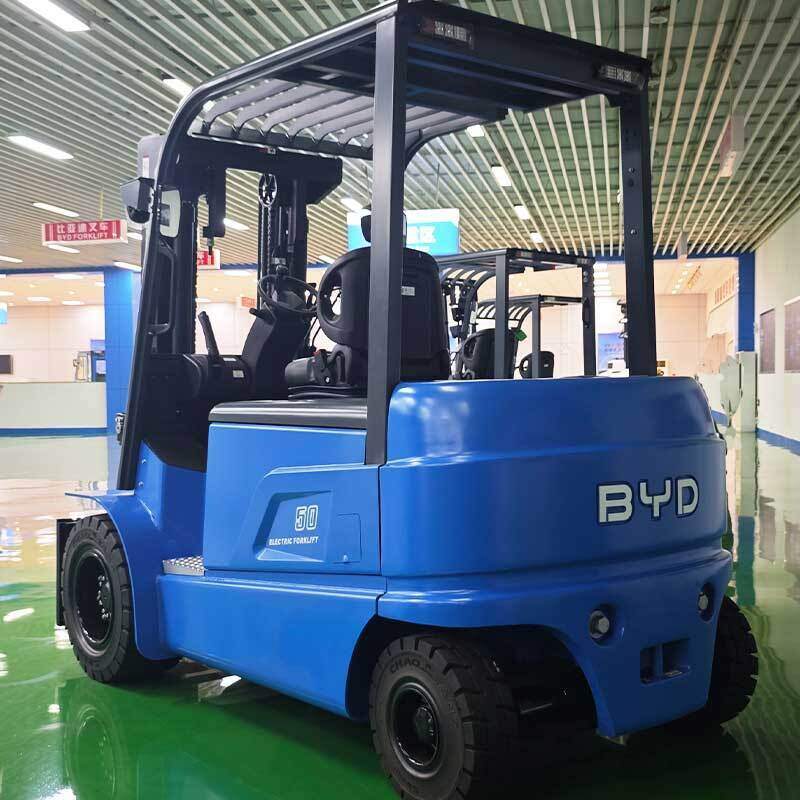
As low-carbon logistics and warehousing industries develop rapidly, electric forklifts have become widely adopted material handling equipment in most indoor operation scenarios, due to their low noise level and zero local emission features. Mastering correct use and management methods can help operators give full play to the equipment’s performance, reduce unnecessary loss, and create a more stable working environment for frontline staff.
Core Standardized Operation Rules for Daily Use
Before every start of operation, operators are advised to complete a full pre-shift check covering the power system, brake response, lifting mechanism status and tire wear condition, to rule out hidden risks before formal operation. During the operation process, it is not recommended to carry loads beyond the rated load capacity, and operators need to keep a stable driving speed when turning, passing narrow aisles or crossing slope areas, to avoid cargo tilting or slipping off the forks. Operators should also keep a proper safety distance with surrounding personnel, stacking racks and other facilities at all times to prevent accidental collision.
Routine Maintenance Points to Extend Equipment Service Life
Different from internal combustion forklifts, electric forklifts focus more on the maintenance of power supply and electrical control systems. Operators are suggested to follow the official specified procedures for battery charging, avoid over-discharging or long-term under-charging status of the battery pack, and keep the surface of the battery and electrical components dry and clean to avoid short circuit risk. Regularly check the connection tightness of each circuit interface, and add proper amount of lubricating oil to the rotating parts of the lifting system according to the use frequency. It is also not recommended to store the electric forklift in a high humidity environment for a long time, to reduce the corrosion risk of metal structural parts.
Efficiency Optimization Tips for Different Application Scenarios
For narrow aisle warehousing scenarios, operators can make reasonable adjustment to the fork width and lifting height in advance according to the size of palletized cargo, to reduce unnecessary repeated operation actions. For short-distance frequent material handling scenarios in workshop areas, arranging reasonable scheduling plans according to the remaining power level of each equipment can avoid sudden power failure in the middle of operation that delays the work progress. Users can also make proper adjustment to the operation parameters of the equipment according to the actual operation environment, to match the actual use demand better.
Necessary Safety Precaution Protocols
All operators need to receive professional skill training before taking post, to master the correct response methods under different abnormal conditions. When the equipment gives abnormal alarm prompt, operators should park the vehicle in a safe area first, cut off the power source and contact professional maintenance personnel for troubleshooting, instead of continuing to operate with hidden faults. It is also required to arrange regular safety inspection for all electric forklifts in use, to make sure the equipment is kept in a good working condition all the time.


