
 简体中文
简体中文 Русский
 Français
 Português
 Español
 لالعربية

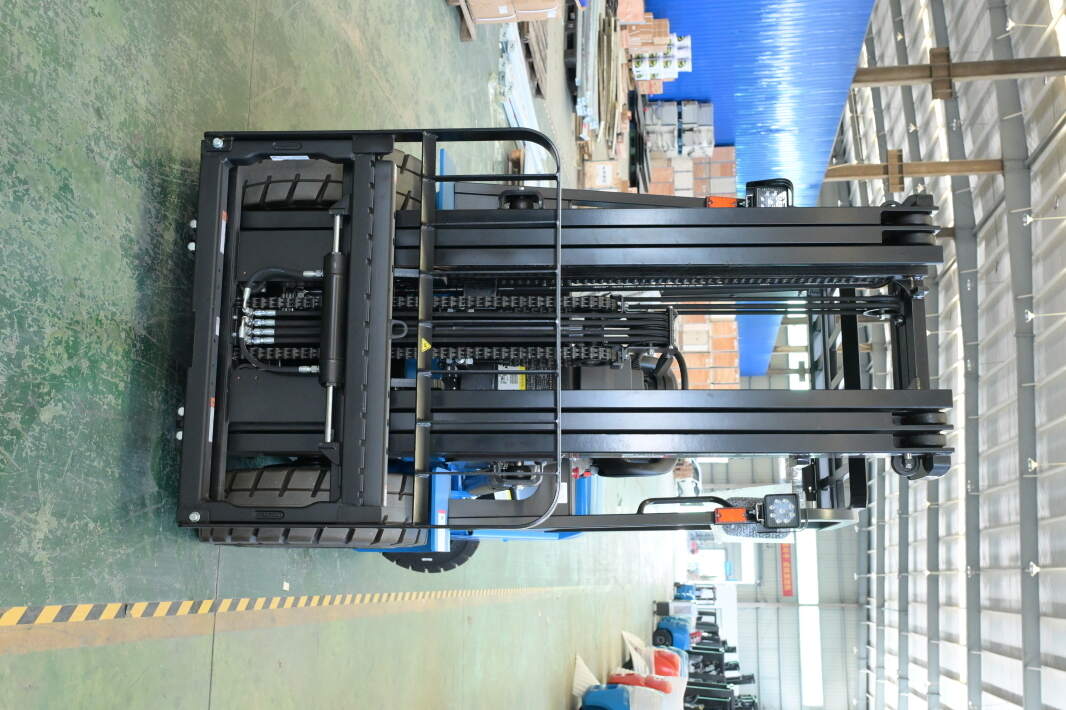
As low-carbon logistics equipment gains wider popularity in modern material handling scenarios, electric forklifts have become a core work tool for most warehouse, manufacturing and distribution sites. Mastering correct use and management methods can help operators give full play to the equipment’s inherent advantages while avoiding unnecessary wear and potential safety risks in daily work.
Core Pre-operation Inspection Protocols
Before starting each shift’s work, operators need to complete a series of standardized simple checks to eliminate hidden risks in advance. The first step is to confirm the remaining power status of the power system, and check whether the connecting components of the battery pack are loose or corroded. Next, inspect the wear condition of solid tires, confirm that the tread depth stays within the safe range, and check whether there is obvious foreign matter embedded in the tire gaps. Operators also need to test the sensitivity of the braking system, lifting control lever and steering mechanism, to ensure all functional modules can respond to operation instructions stably.
Scientific Operation Habits to Improve Use Efficiency
During daily operation, operators should follow the rated load parameters of the equipment to arrange handling tasks, avoid long-term overloading that causes extra loss of the hydraulic system and lifting structure. When moving on uneven ground or sloped areas, keep the driving speed at a low and stable level, avoid sharp steering or sudden acceleration and deceleration actions that may cause the goods to fall or the vehicle body to tilt. When the equipment is in a temporary stop state within the working shift, do not keep the motor running for a long time with no load, which can effectively reduce unnecessary power consumption and extend the single continuous working duration of the equipment.
Routine Maintenance Strategies to Extend Service Cycle
After finishing the daily work task, operators should park the equipment in the designated ventilated and dry storage area, clean the dust and debris accumulated on the surface of the equipment and the heat dissipation parts, and carry out standardized charging operations according to the requirements of the power system. For equipment that needs to be idle for a long time, keep the battery power at a reasonable level, and conduct a full cycle charge and discharge test every two weeks to avoid the performance attenuation of the power cell. Arranging professional personnel to conduct regular in-depth detection of the motor, hydraulic oil pipeline and control circuit can reduce the probability of unexpected equipment failures in the peak work period.


