
 简体中文
简体中文 Русский
 Français
 Português
 Español
 لالعربية

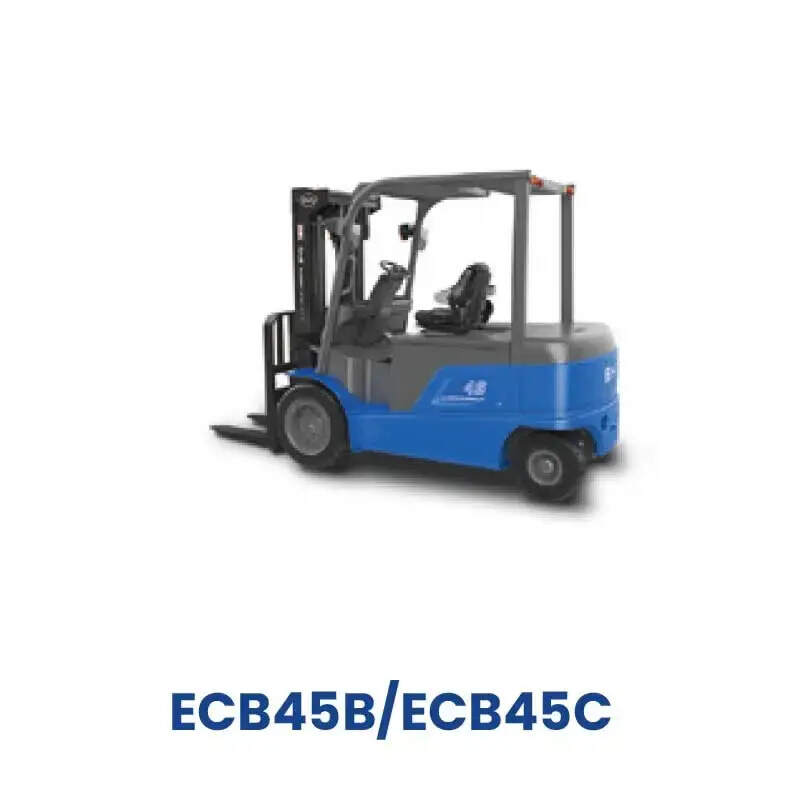
As the low-carbon development trend continues to spread across the global logistics industry, electric forklifts have become one of the most widely used core material handling equipment in various warehousing scenarios in recent years. This guide sorts out practical professional content covering multiple dimensions for relevant practitioners to refer to in daily work.
Core Performance Advantages of Electric Forklifts
Compared with traditional internal combustion handling equipment, electric forklifts produce no local exhaust emissions during operation, which can effectively avoid air pollution in enclosed or semi-enclosed warehousing spaces. The overall noise level during operation is significantly lower, which can reduce the noise interference to surrounding staff and meet the environmental requirements of special scenarios such as food storage, pharmaceutical warehouses and fresh product sorting centers. The power output of electric drive systems is more stable, and the response of the hydraulic lifting structure is smoother, which can avoid the vibration impact on the loaded goods during operation, and reduce the probability of cargo damage in the handling process.
Standardized Daily Operation Specifications
Before starting each shift of operation, operators need to check the remaining battery level, braking system sensitivity, lifting chain tightness and tire surface condition first, to eliminate hidden dangers in advance. The actual load should not exceed the rated load range marked on the equipment nameplate, and keep the goods in the center of the fork frame to avoid rollover risks. When driving in narrow aisles, crossing working areas with dense personnel or passing through ramp sections, operators need to control the driving speed within a safe range, and send out prompt reminders in advance. When the equipment is left idle for a long time, the battery should be kept in a reasonable power range, and avoid long-term over-discharge that affects the overall battery performance.
Routine Maintenance Matters for Long Term Use
Daily maintenance work can effectively extend the service life of electric forklifts and reduce unexpected failure rates. Operators can regularly clean up the dust, cargo debris and residual sundries attached to the surface of the vehicle body and the heat dissipation structure, to avoid blocking the normal heat dissipation effect. It is necessary to check the tightness of each circuit connection interface regularly, to prevent moisture or dust from entering the interface and causing poor contact. The hydraulic oil and brake adjustment parts can be inspected and replaced regularly in accordance with the official operation manual, and no unauthorized modification of the internal circuit structure is allowed, to ensure the overall operation safety and stable performance in long-term application.


