
 简体中文
 Русский
 Français
 Português
 Español
 لالعربية


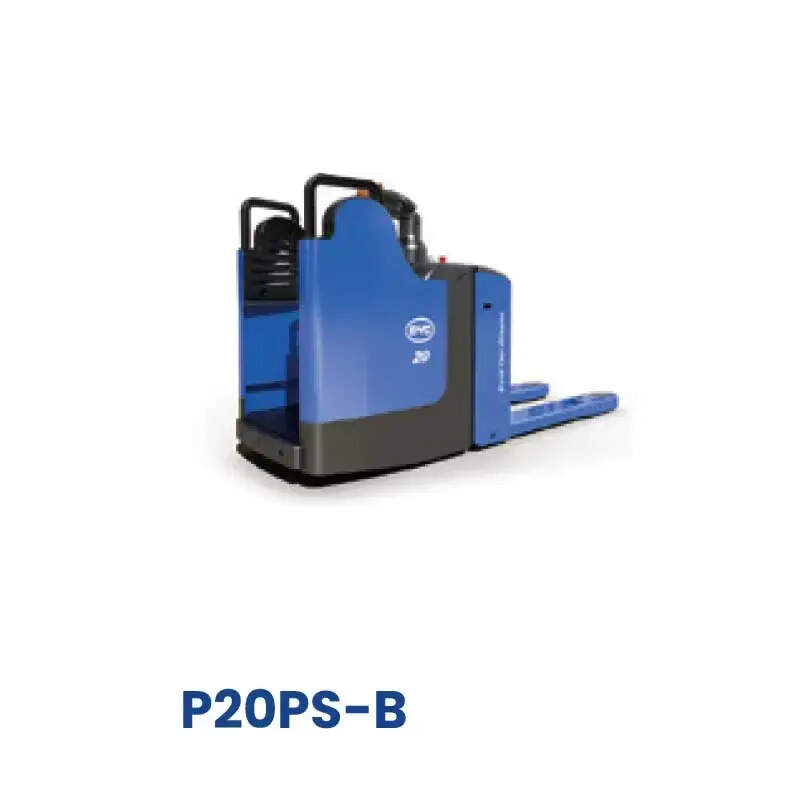
Against the background of accelerating low-carbon transformation in the global logistics sector, electric forklifts have become one of the most widely adopted material handling equipment for indoor and closed operating scenarios, with advantages of low noise, zero direct emission and flexible operation. Many operation and management personnel still have space to improve their systematic cognition of the full life cycle management of such equipment, and the following professional practical guidance can help relevant personnel give full play to the inherent value of the equipment under the premise of meeting safety specifications.
Core Application Scenario Adaptation Rules
Before putting electric forklifts into formal operation, it is necessary to make reasonable matching according to the actual operating conditions of the site. For narrow channel scenes with limited passing space, equipment with proper turning radius and body width can be selected to reduce the occupancy of operation channels. For scenes with long continuous operation time per shift, reasonable energy storage capacity configuration can be selected according to the actual daily operation hours, to avoid frequent interruption of operation due to insufficient endurance. For special scenes such as low-temperature cold storage, corresponding protection configuration for core components can be selected to adapt to the ambient temperature characteristics, and users should avoid overloading the equipment beyond the rated load range for a long time, so as to reduce unnecessary wear of power and hydraulic systems.
Routine Daily Maintenance Best Practices
Standardized daily maintenance can effectively extend the service life of electric forklifts and reduce unexpected downtime. Operators should regularly clean the dust and material sundries accumulated on the surface of the body and heat dissipation components after each shift, to avoid affecting the normal heat dissipation efficiency. For the energy storage system, operators should follow the official charging specification requirements, avoid long-term overcharging or complete discharge of the energy unit, and check the connection status of the circuit terminals regularly to eliminate hidden dangers such as loose wiring. It is also necessary to regularly check the braking performance, lifting flexibility of the hydraulic system and wear degree of the tire components, and arrange professional personnel to troubleshoot potential abnormal problems in time, rather than continue to use the equipment with obvious abnormal feedback.
Operation Efficiency Optimization Tips
Good operation habits can effectively improve the comprehensive operation efficiency of electric forklifts and reduce the overall operating cost. Operators should keep the vehicle start and stop stable in the process of operation, reduce frequent rapid acceleration and emergency braking, which can not only reduce the wear of power components, but also get more continuous endurance under the same energy supply condition. The operation management team can reasonably plan the daily handling route according to the actual distribution of goods in the warehouse, reduce the no-load driving distance of the equipment as much as possible, and avoid repeated cross driving in different operation areas. Regularly organize operation personnel to participate in standardized skill training, which can further improve the safety and smoothness of the handling process, and help the whole material handling system to run more efficiently.


