
 简体中文
简体中文 Русский
 Français
 Português
 Español
 لالعربية

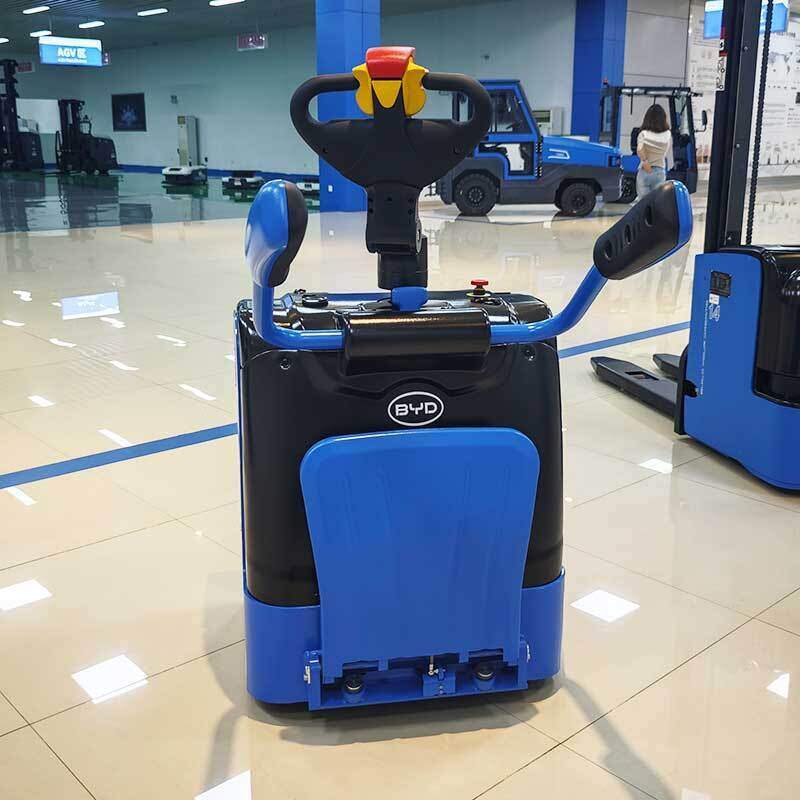
Electric pallet jacks are widely applied in various warehousing, manufacturing and logistics distribution scenarios as low-noise, high-efficiency material handling equipment. The stability and response accuracy of their lifting and lowering actions are directly related to operation safety and work efficiency. Among all components that regulate the movement of the execution end, the hydraulic valve is the core control part of the hydraulic power unit, whose response-time parameters have a decisive effect on the actual performance of lifting-lowering actions.
First, it is necessary to clarify the basic connotation of hydraulic valve response-time parameters in this application scenario. The main measurable parameters include valve opening response time, valve closing response time, and dynamic response lag value under variable load conditions. The valve opening response time refers to the duration from the trigger of the electric control signal to the full opening of the valve port to reach the set flow output. The valve closing response time refers to the duration from the cut-off of the control signal to the complete closure of the valve port to cut off the oil circuit. The dynamic response lag value refers to the delay between the load fluctuation and the corresponding adjustment of the valve output flow when the pallet jack carries goods of different weights.
Second, the influence of different response-time parameters on lifting-lowering actions follows clear logical rules. If the valve opening response time exceeds the reasonable matching range, there will be an obvious lag after the operator presses the lifting or lowering control button, which will cause deviation of operation judgment in short-distance height adjustment scenarios. If the valve opening response time is set too short, the hydraulic oil will rush into the oil circuit instantaneously, causing sudden jitter of the lifting platform, which may lead to unstable placement of goods. Too long valve closing response time will lead to unexpected extra travel after the operator releases the control button, and the lifting platform will continue to rise or slide down for a certain distance, which increases the risk of collision with stacked goods and reduces the alignment accuracy of fork placement. Excessive dynamic response lag will lead to inconsistent action performance under different load weights, making the equipment operation feel unstable for long-time operators.
To obtain balanced lifting-lowering performance, relevant technicians can adjust parameters such as the pre-tightening force of the hydraulic valve reset spring and the ramp slope of the electric control drive signal according to the rated load range and conventional working scenarios of the target electric pallet jack, so as to calibrate the response-time parameters to the interval matching the overall power output. During daily maintenance, regular detection of the response time offset of the hydraulic valve can help eliminate hidden troubles such as oil impurity jamming and electromagnetic coil aging in time, and maintain the long-term stable operation of the equipment.


