
 简体中文
简体中文 Русский
 Français
 Português
 Español
 لالعربية

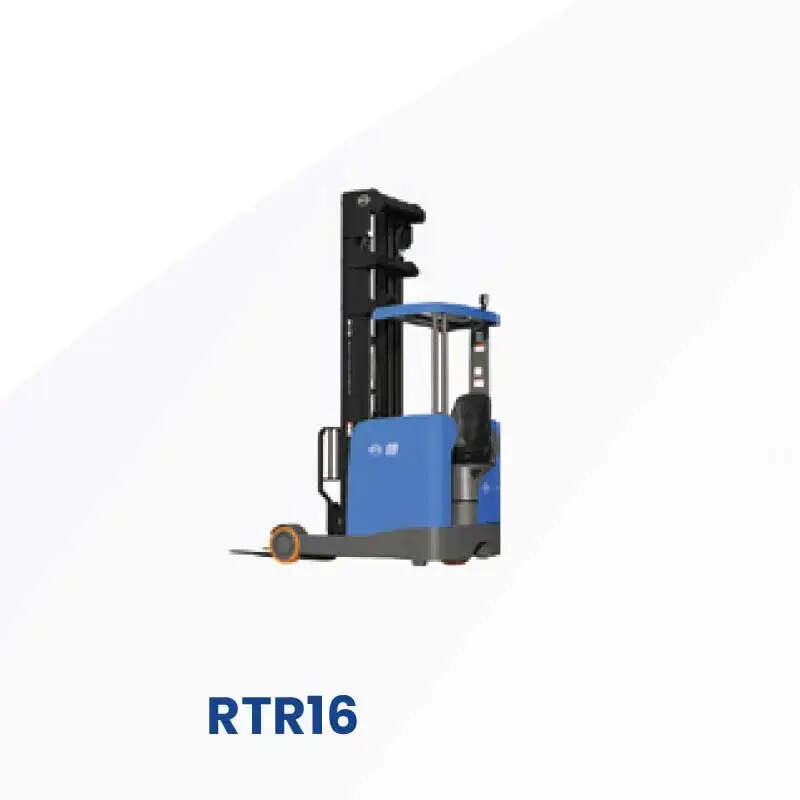
With the continuous development of low-carbon industrial logistics, electric forklifts have gradually become the core supporting equipment in various indoor and enclosed warehouse scenarios, completing daily material stacking, handling and turnover work for operation teams. Different from other power-driven handling equipment, the actual performance of electric forklifts is closely related to daily operation habits and subsequent maintenance measures, and mastering relevant professional practical knowledge can help logistics practitioners give full play to the use value of the equipment.
Core Performance Characteristics of Electric Forklifts
Most electric forklifts are driven by high-efficiency power systems, which produce almost no exhaust emissions during the whole operation process, and the noise generated during startup and driving is maintained at a relatively low level, which can meet the environmental requirements of closed warehouses, food storage workshops and pharmaceutical logistics scenarios. The power output of the equipment is relatively stable, and the adjustment of speed and lifting force is more linear, which can reduce the probability of goods collision during the handling process. The overall structure of the equipment is relatively compact, and it can maintain good operability in narrow aisles, saving more space for the planning of warehouse storage areas.
Standardized Daily Operation Rules
Operators need to receive pre-job professional training to be familiar with the basic parameters and operation logic of the equipment before officially taking up the post. Before each start-up, they should check the remaining power, the flexibility of the braking system, and the normal state of the lifting mechanism, and do not carry out over-load handling operations beyond the rated load range for a long time. When the equipment is running in the aisle, it is necessary to keep a safe distance from surrounding goods and personnel, avoid sudden braking or sharp steering actions, and lower the gantry to a safe position when driving with heavy loads, so as to prevent the goods from slipping and falling. When the power reminder light is on, the equipment should be driven to the designated charging area in time, and excessive over-discharge operation should be avoided as much as possible.
Scientific Routine Maintenance Measures
The power battery module is the key part of daily maintenance, and the surface of the battery shell should be cleaned regularly to avoid the accumulation of dust and sundries affecting the heat dissipation effect, and the connection state of the wiring terminals should be checked regularly to keep the connection firm. The lubrication points of the gantry, wheels and steering system should be filled with professional lubricating oil according to the specified cycle to reduce the wear of mechanical parts in the process of operation. The waste generated during maintenance should be disposed of in accordance with local environmental protection regulations to avoid adverse effects on the surrounding environment.
Operational Efficiency Optimization Methods
Combined with the actual layout of the warehouse, operators can plan a fixed handling route reasonably, try to avoid frequent crossing of non-equipment passages in the working area, and arrange the shift and rest time of operators according to the daily operation volume, so as to avoid long-time continuous operation leading to the decline of operation accuracy. Teams can carry out regular operation skill assessment for operators, sort out common wrong operation habits for targeted correction, to further improve the continuity of equipment operation.


