
 简体中文
 Русский
 Français
 Português
 Español
 لالعربية


Stationary charging is one of the most frequent daily operation scenarios for electric forklifts, which directly affects the battery pack service life, on-site operation safety and overall operation efficiency of logistics and warehousing sites. As Jianshu New Energy that focuses on BYD electric forklift related operation guidance and service support, we sort out targeted practical operation notes for operators based on years of on-site service experience, to help every user standardize the whole charging process.
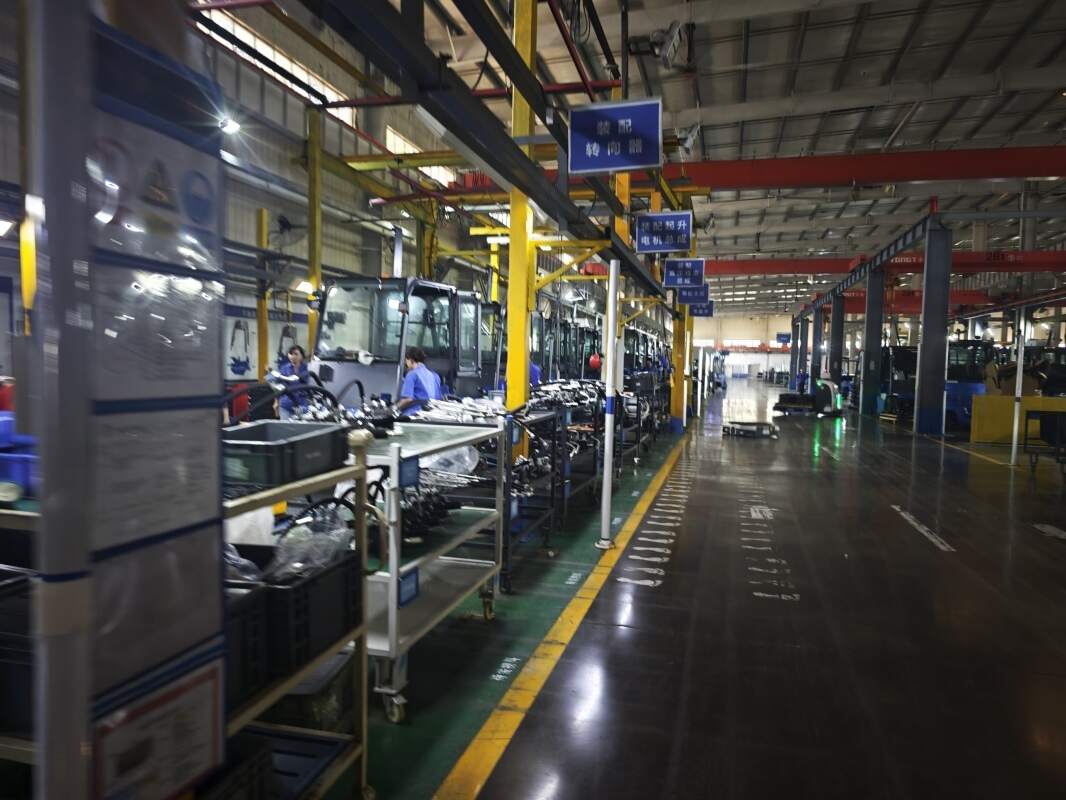
Before starting the stationary charging process, operators need to park the forklift in the designated special charging area first, confirm that the parking brake is locked, the gear is adjusted to neutral position, and all vehicle-mounted load handling accessories are put down stably. Then check the external status of the battery compartment, confirm that there is no obvious damage, liquid leakage or foreign matter accumulation at the charging port interface, and clean up dust and debris around the charging station in advance to avoid potential safety hazards caused by flammable and combustible objects stacked around the charging area. It is not allowed to park the forklift on a sloped surface for stationary charging, which can avoid abnormal stress on the internal structure of the battery pack caused by long-term tilt.
When connecting the charging gun, the operator needs to hold the gun body steadily, align the interface and insert it in place gently, to avoid forced insertion and violent shaking that cause damage to the pin of the charging interface. After confirming that the connection is stable, start the charging process according to the prompts of the charging equipment. During the whole stationary charging period, operators should not pull out the charging gun forcibly when the equipment is in working state, and do not carry out maintenance, disassembly and modification of the battery pack without professional permission. It is recommended to arrange special personnel to patrol the charging area regularly, check the surface temperature of the battery and the operation status of the charging equipment, and stop charging in time for inspection once abnormal temperature rise, abnormal noise or fault prompt appears. Do not cover the vent holes of the battery pack during charging, ensure that the ambient temperature of the charging area is kept within the normal range specified by the product, and do not carry out charging operation in open air exposed to heavy rain or strong direct sunlight for a long time.
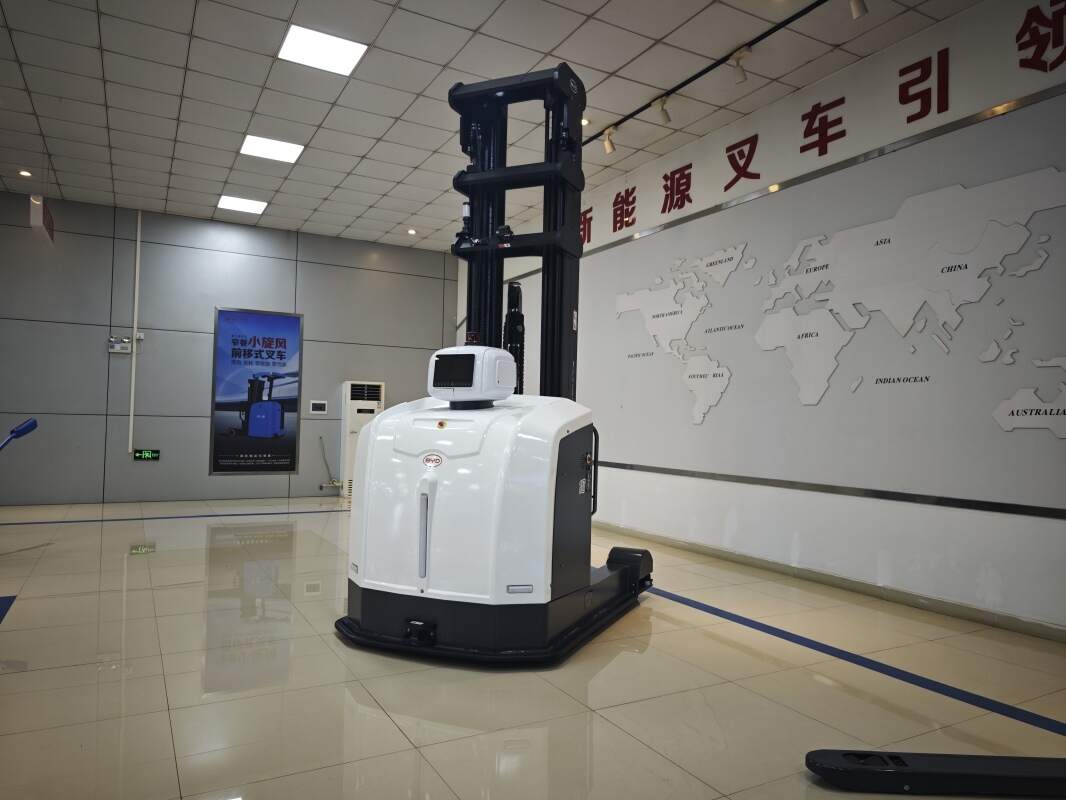
After the charging process is completed and the equipment automatically stops outputting, the operator can gently pull out the charging gun, arrange the charging wire neatly and place it back to the fixed position, to avoid the wire being rolled or trampled by passing forklifts, which will cause insulation damage. After charging, the forklift should not be started for high-load operation immediately, and it is recommended to leave a proper buffer time for the battery pack to adjust to the normal operating temperature. For the forklifts that need to be parked for a long time after charging, it is necessary to check the remaining power regularly every 1 to 2 weeks, and carry out supplementary charging when the power drops to the reasonable interval, to avoid long-term power loss that affects the overall cycle life of the battery pack. If you have any relevant consultation on the use and operation of electric forklifts, you can send an email to [email protected] to contact our professional service team for targeted support.


