
 简体中文
简体中文 Русский
 Français
 Português
 Español
 لالعربية

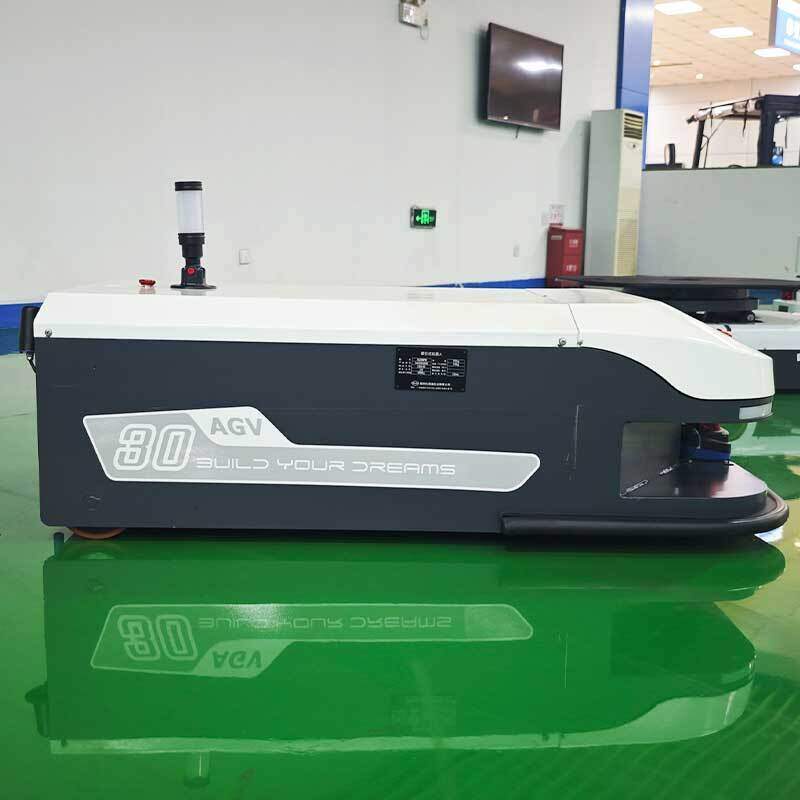
First, proper graded configuration of fleet specifications forms the core foundation for smooth operation. For mixed-SKU warehouses that cover goods ranging from tiny electronic components, medium-sized packaged consumer goods to large-sized household items, the unified specification forklift configuration cannot well match differentiated handling demands. It is recommended to allocate lithium-ion forklifts of corresponding load capacity, lifting height and body size according to the proportion of different product categories, so as to reduce unnecessary energy consumption and improve the passing efficiency in different storage areas. The quick opportunity charging feature of lithium-ion forklifts also supports flexible replenishment during short work gaps, eliminating the need for dedicated battery replacement zones, which can save extra space that can be used for additional SKU storage positions.
Second, dynamic scheduling mechanism matching with WMS system significantly improves operation coordination. After realizing data interconnection between the lithium-ion forklift fleet management platform and the warehouse management system, the system can directly push corresponding picking, replenishment and delivery instructions to the nearest idle forklift according to the real-time location of each vehicle and the attribute of pending handling goods. Operators can also get preset prompt for handling precautions of special categories of goods such as fragile items, high value small parts and temperature-sensitive products in time, to reduce misoperation risks.
Third, targeted dynamic maintenance and performance adjustment effectively extend the stable operation cycle of the fleet. The cloud data tracking function of the lithium-ion forklift fleet can record the operation frequency, energy consumption, load rate and other data of each vehicle in different handling scenarios for a long time. The warehouse operation team can make regular adjustment of vehicle distribution according to the fluctuation of SKU order volume in different periods, arrange targeted routine maintenance for vehicles with high operation load, avoid unexpected downtime in peak operation periods, and guarantee the stability of whole warehouse operation rhythm. With proper layout and fine management, the lithium-ion forklift fleet can well adapt to the continuously changing operation demands of mixed-SKU high-variety warehouses, and create stable value for long-term operation.


