
 简体中文
简体中文 Русский
 Français
 Português
 Español
 لالعربية

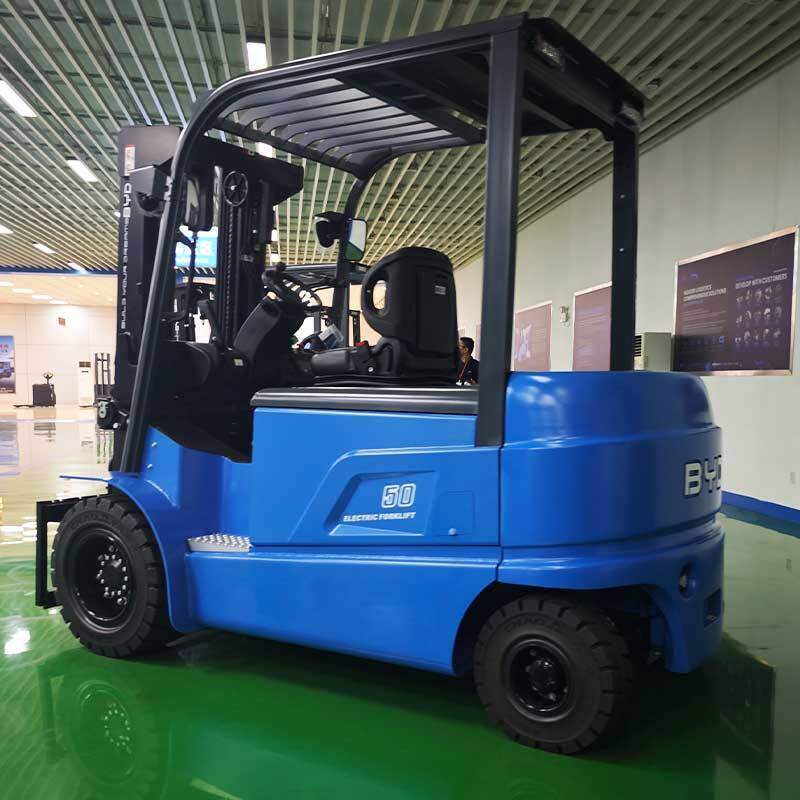
As low-carbon logistics becomes a mainstream development trend across the global supply chain, electric forklifts have gradually become one of the most widely used material handling tools in closed scenarios such as warehouses, distribution centers and manufacturing workshops. Many frontline operators and logistics managers still lack systematic and practical guidance for using these equipment to maximize their service life and operational value.
Core Functional and Application Advantages
Different from internal combustion powered counterparts, electric forklifts run on rechargeable power modules, producing no direct exhaust emission during operation, which can effectively reduce air pollution in enclosed working spaces and lower the demand for regular ventilation in confined warehouse areas. The overall noise level of electric forklifts during operation is significantly lower than fuel-powered models, which helps reduce the long-term hearing pressure of on-site operators and create a more comfortable working environment for staff working continuously in the handling area. The energy consumption cost per unit working hour of qualified electric forklifts is usually lower than the fuel cost of traditional internal combustion equipment, which can bring long-term controllable operating expenditure for logistics operation teams.
Standardized Daily Operation Guidelines
Before starting each shift, operators need to conduct a quick visual check of key components including the tire condition, lifting hydraulic system, brake performance and power display status, to eliminate hidden risks that may cause operational faults in advance. During the moving process, operators should keep the lifting forks at a proper low height, avoid lifting heavy loads to an excessively high position when moving on uneven ground, and keep a safe distance with surrounding staff and stacked goods to avoid accidental collisions. Operators need to receive pre-job professional training before taking up the post, master the correct judgment of the rated load weight of the equipment, and do not attempt to handle goods that exceed the specified load range for a long time, to avoid unnecessary damage to the load-bearing structure of the equipment.
Routine Maintenance Best Practices
After each daily use, operators should park the electric forklift in the designated charging and storage area, lower the lifting forks completely to contact the ground, cut off the main power supply of the equipment, and conduct simple cleaning of the dust and sundries attached to the body surface. The power energy storage module should be charged according to the official specified operation procedures, avoid long-term over-discharge or overcharge behavior, and the surface of the energy storage module should be kept dry and clean at all times. The regular professional inspection of power circuit, motor and transmission components should be arranged according to the actual working frequency of the equipment, to find potential minor faults in time and avoid sudden shutdown of equipment in the peak period of logistics operation. Reasonable application and maintenance of electric forklifts can effectively extend the overall service cycle of the equipment, bring stable and efficient material handling support for various logistics scenarios, and help teams achieve smoother low-carbon operation goals.


