
 简体中文
简体中文 Русский
 Français
 Português
 Español
 لالعربية

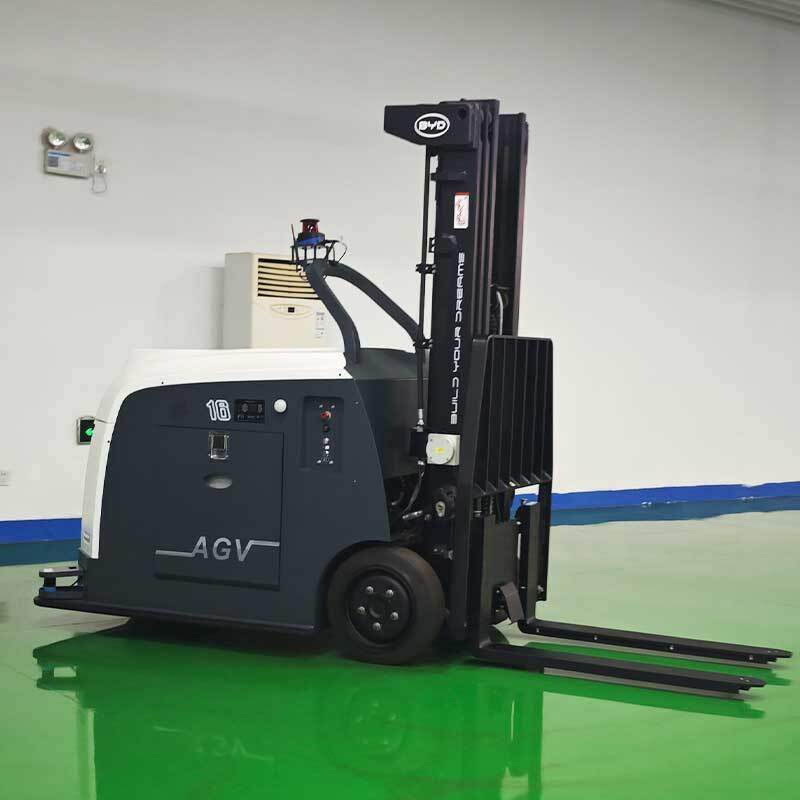
When deploying lithium-ion forklifts in high-intensity continuous operation scenarios such as large logistics distribution centers, many operation teams choose the frequent battery-swap mode to eliminate the waiting time for on-site charging. Unreasonable parameter configuration in early stage will lead to accelerated component wear, unstable power connection and other adverse conditions during long-term frequent swap operations, which will reduce the overall operation efficiency. The following guidance sorts out the core configurable parameters that need attention for this specific usage scenario.
The first part focuses on power connection interface parameters. The tolerance of the quick swap locking structure and the rated current of the power contactor should match the daily swap frequency. The excess engagement of the contactor should be controlled within the reasonable range specified for industrial electrical components, to avoid poor contact caused by excessive wear after hundreds of swap operations. The positioning gap of the interface structure should also be adjusted properly, which can reduce the misalignment rate in manual or automatic swap operations, and lower the hidden danger of arcing caused by poor contact.
The second part covers power system adaptation parameters. The peak discharge threshold of the forklift controller should be set within the continuous allowable range of the matched lithium-ion batteries, to avoid output mismatch after different battery packs are swapped into the equipment. The voltage detection accuracy of the whole vehicle power management system should be calibrated to the proper level, so that the system can identify the real state of different swapped battery packs quickly and accurately, and avoid abnormal power output or unexpected power interruption in operation.
The third part involves mechanical structure wear resistance parameters. The hardness of the guide groove in the battery swap cabin should meet the demand of frequent friction, and the load-bearing redundancy of the battery support tray should reserve a reasonable margin to adapt to the tiny dimension difference of different battery packs. The wear resistance rating of the positioning pins and limit components should be selected according to the estimated maximum annual swap times, to extend the service cycle of the whole swap supporting structure.
With proper configuration of the above parameters, the lithium-ion forklift can maintain stable performance under long-term frequent battery-swap cycles, effectively reduce the frequency of daily maintenance, and create more reliable operation support for 24/7 uninterrupted material handling demands.


