
 简体中文
简体中文 Русский
 Français
 Português
 Español
 لالعربية

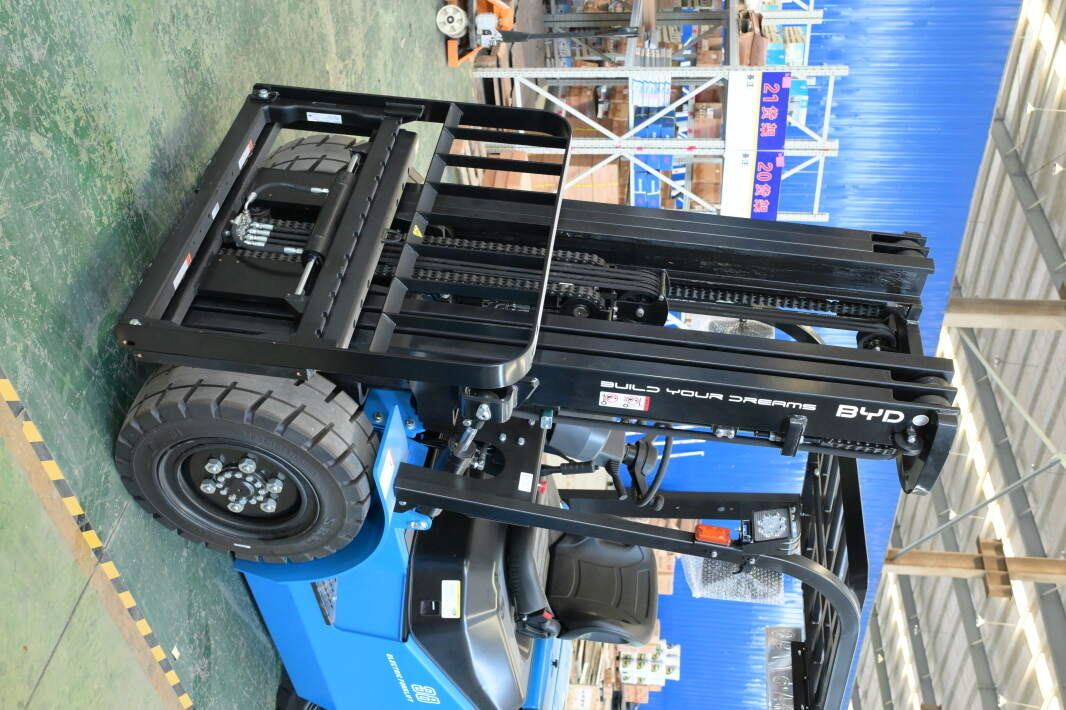
With the continuous promotion of low-carbon transformation in the global industrial and warehousing sector, electric forklifts have become one of the most widely used material handling equipment in closed operation scenarios, cold storage environments and food processing workshops. Many new users of this type of equipment lack systematic reference for reasonable usage, which may lead to higher operation cost and insufficient utilization of equipment performance, this guide sorts out universal practical knowledge in multiple dimensions for reference.
Core Performance Advantages of Modern Electric Forklifts
Different from fuel-powered handling equipment, modern electric forklifts generate no exhaust emissions during normal operation, with lower noise and vibration level in the working process, which can reduce disturbance to surrounding staff and avoid pollution to stored goods with strict hygiene requirements. The energy consumption cost per unit working hour is relatively lower, and the power transmission structure has fewer vulnerable moving parts, which can reduce the cost of wearing part replacement in long-term operation. Most models of this kind of equipment are designed with lighter steering weight and more sensitive control response, which lowers the learning threshold for new operators to get familiar with basic operation procedures.
Key Points of Routine Daily Maintenance
Regular standardized maintenance works as the core foundation to keep stable long-term operation of electric forklifts. Operators need to check the battery status after each shift, wipe the accumulated dust on the electrode contact points to avoid abnormal power consumption caused by poor contact, and arrange charging work when the remaining battery power drops to 20% to 30% instead of using until the power is fully exhausted. It is also necessary to check the wear degree of brake pads, tire surface and hydraulic seal structure on a regular basis, timely clean up the sundries stuck on the wheel hub, and avoid long-term operation on roads with sharp hard objects that may cause unexpected damage to the equipment.
Standardized Operation Tips for Higher Efficiency
Following the basic operation specifications can effectively reduce unnecessary equipment wear and improve the overall material handling efficiency. Operators need to confirm the weight of the goods before lifting, and do not exceed the rated load of the equipment for overloaded operation. Keep the gantry slightly tilted backward when moving the lifted goods to avoid accidental slipping of the goods. Try to plan the driving route in advance to avoid frequent sudden acceleration and sudden braking in the moving process. After finishing the operation task, park the equipment in the specified ventilated parking area, do not block the fire passage or the passage of other logistics equipment. Proper daily management can help the electric forklift adapt to diversified usage demands and create more stable operation value for the whole logistics system.


