
 简体中文
简体中文 Русский
 Français
 Português
 Español
 لالعربية

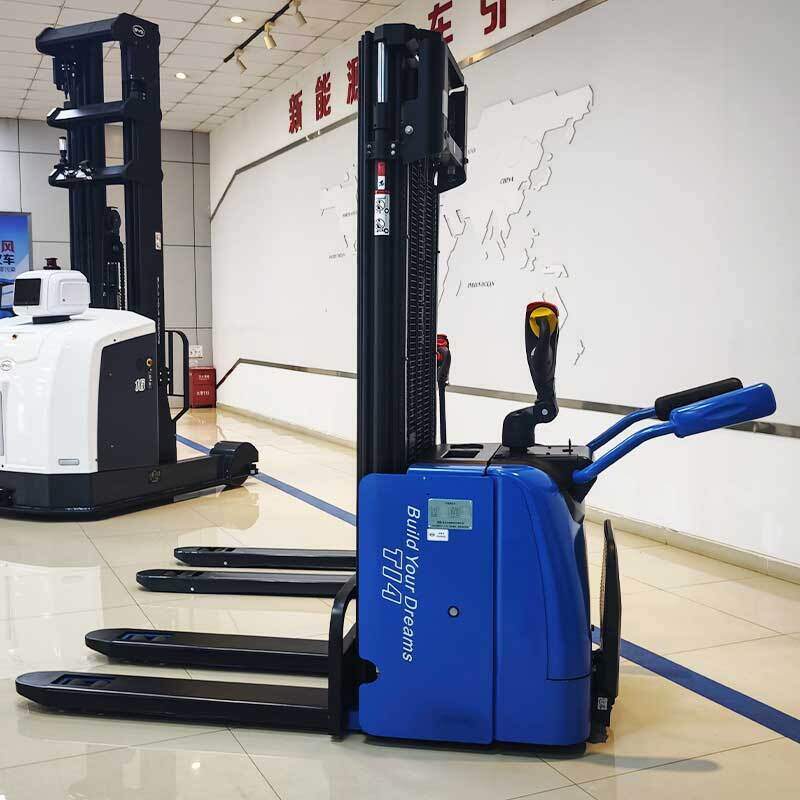
Electric forklifts have been widely adopted across modern logistics, manufacturing and retail storage scenarios as the industrial sector increasingly focuses on low-carbon operation and refined cost control. Mastering systematic professional knowledge of this type of material handling equipment helps frontline operators and warehouse managers give full play to equipment value, reduce potential safety risks and lower long-term operation expenditure.
Core Performance Features of Modern Electric Forklifts
Compared with traditional internal combustion handling equipment, modern electric forklifts produce zero on-site emissions and much lower running noise, which makes them suitable for enclosed indoor spaces and scenarios with strict environmental requirements such as food storage, pharmaceutical warehouses and fresh product sorting centers. The power output of electric forklifts is more stable during low-speed operation, and the unit energy consumption cost is relatively lower than that of fuel-powered counterparts, which fits the long-term cost control demands of most operation teams.
Standard Operation Specifications for Daily Use
All relevant operators need to complete systematic skill training before independent operation. Before each startup, personnel need to inspect the brake system, power display status and flexibility of the lifting structure to confirm no hidden risks. When carrying full load, operators are suggested to avoid sharp steering and keep stable running speed, and do not park the equipment on slopes for a long time. After finishing daily work, operators should lay the forks flat, park the equipment in the designated area and cut off the main power supply.
Scientific Routine Maintenance Suggestions
Regular cleaning of dust and residual cargo attached to the equipment surface is a basic daily maintenance step. Personnel need to check the connection points of the power battery pack regularly to avoid oxidation, and inspect the hydraulic pipelines for possible leakage traces, and confirm the tire wear level stays within the safe range before operation. For long-term idle equipment, it is recommended to conduct one supplementary charge every month to avoid the battery pack staying in under-power status for a long period, which will affect its normal service cycle.
Scenario-based Application Optimization Tips
For high-frequency continuous operation warehouses, teams can arrange properly matched spare battery packs to reduce the idle waiting time for charging. For narrow channel operation scenarios, relevant personnel can adjust the corresponding steering speed limit parameters appropriately to further improve the overall operation safety level.


