
 简体中文
简体中文 Русский
 Français
 Português
 Español
 لالعربية

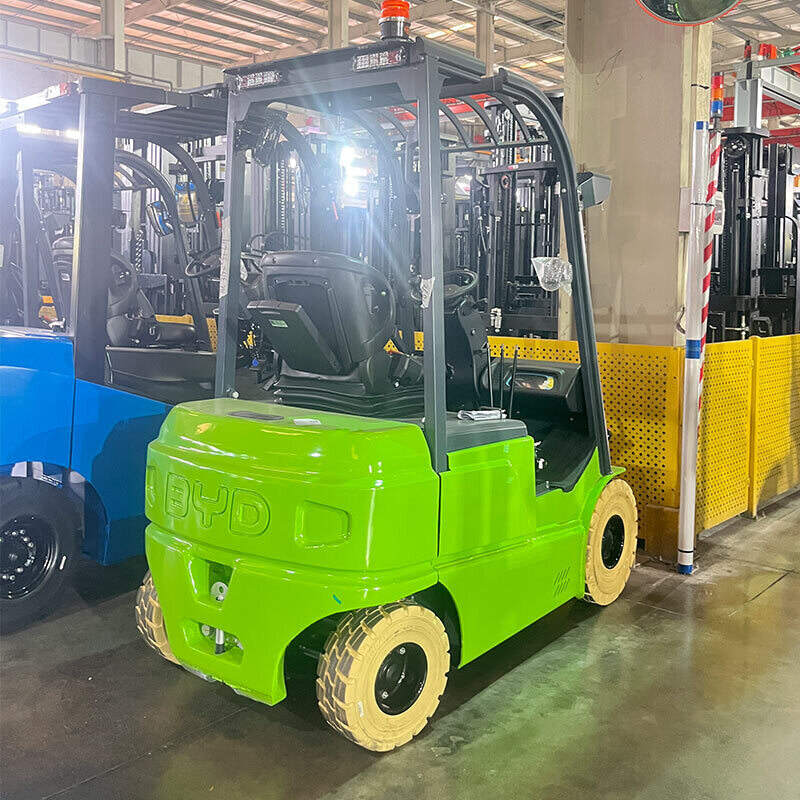
As low-carbon logistics development gains wider popularity across the material handling sector, electric forklifts have become one of the most widely applied handling equipment in indoor warehouses, manufacturing workshops and distribution centers. Many operators still lack systematic understanding of correct usage and optimization methods, which may lead to extra operation cost and potential safety risks. This practical guide covers core practical points that can help relevant staff improve overall operation performance following standard industrial rules.
Core Advantages of Electric Forklifts in Daily Operations
Compared with traditional internal combustion powered handling equipment, electric forklifts produce no exhaust emission during operation, which makes them more suitable for enclosed indoor operation scenarios with high air quality requirements. Their overall noise level is relatively lower, which can reduce disturbance to surrounding working staff and create a more comfortable working environment. The energy consumption cost per working hour is also relatively lower under long-term continuous usage, which helps control the total operation expenditure of logistics teams effectively, fitting the low-carbon operation trend of most modern logistics sites.
Standardized Operation Norms to Avoid Unnecessary Wear
Operators need to complete pre-operation check before starting the equipment every working shift, covering the status of power system, brake structure, lifting mechanism and light indicator. They should avoid overloading the equipment beyond the rated load capacity for a long time, and do not carry out sharp steering or sudden braking actions on slippery ground. When the equipment is running in narrow warehouse aisles, operators need to slow down in advance and pay attention to the surrounding passing personnel and stacked goods to avoid collision accidents, forming a stable and orderly operation habit in daily work.
Routine Maintenance Tips to Extend Equipment Service Life
For the core power module, staff should follow official guidance to complete regular charging cycles, avoid long-term full power storage or complete power depletion status, which can keep the performance of the power system in stable status. They need to wipe the surface of the equipment and clear the dust and debris accumulated on the moving parts every week, and add proper amount of lubricating oil to the transmission structure according to usage frequency. If any abnormal noise or unresponsive operation status is found during daily use, staff should stop using the equipment and carry out systematic inspection timely, instead of forcing the equipment to continue working. Following these practical points can help logistics teams give full play to the performance of electric forklifts, create safer operation environment, and obtain more stable long-term use returns in daily material handling work.


