
 简体中文
简体中文 Русский
 Français
 Português
 Español
 لالعربية

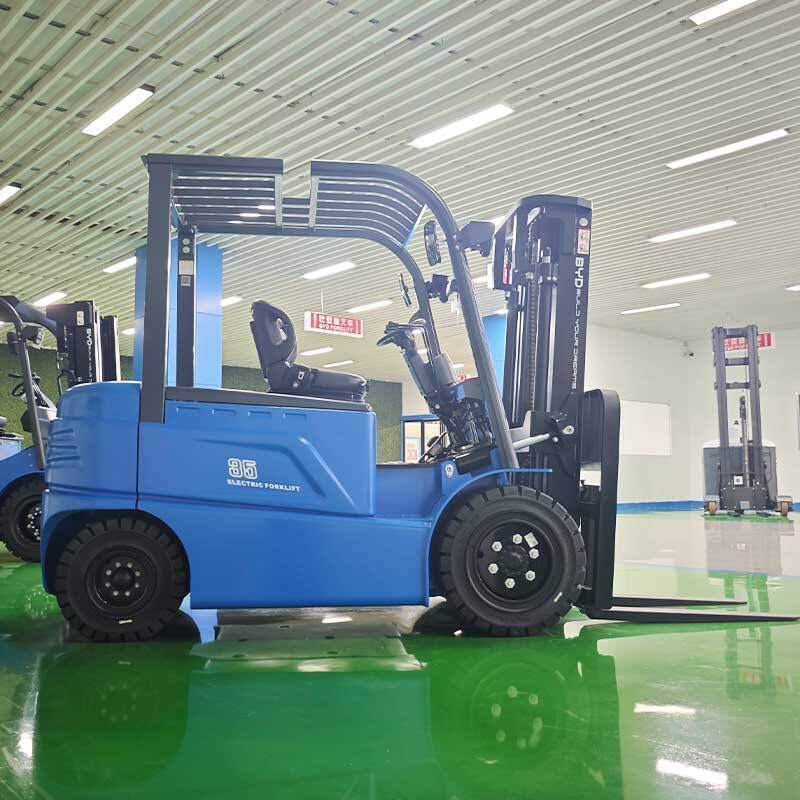
In recent years, electric forklifts have gradually become the core widely used equipment in the field of industrial material handling, with continuous improvement of related technology and increasing demand for low-carbon and environmentally friendly operation scenarios. For warehouse managers and equipment operation practitioners, mastering the core knowledge of electric forklifts can effectively avoid unnecessary operating costs and improve the overall operation rhythm of the logistics link.
Core Performance Advantages of Modern Electric Forklifts
Different from traditional fuel-powered industrial handling equipment, modern electric forklifts realize zero direct exhaust emission during the whole operation process, which can meet the use requirements of closed indoor warehouses, food processing workshops, pharmaceutical storage areas and other scenarios that have strict requirements for air cleanliness. The operation noise of electric forklifts is significantly lower than that of fuel equipment, which can reduce the noise interference to the surrounding working environment, and create a more comfortable working condition for long-term on-site workers. The output power adjustment of the electric drive system is more stable, which can effectively avoid the jitter phenomenon during the handling of fragile goods, and reduce the damage rate of goods in the handling link. The operation and energy consumption cost per unit of time is relatively low, which can bring long-term cost control effect for the enterprise.
Standardized Daily Maintenance Guidelines
Doing a good job in daily standardized maintenance is the core premise to extend the service life of electric forklifts. The on-site management personnel can regularly clean the dust and sundries attached to the surface of the body and the heat dissipation structure after daily use, to avoid the blockage of the heat dissipation channel affecting the operation efficiency. It is necessary to regularly check the health status of the power system, and adjust the charging and discharging rhythm according to the relevant specifications, to avoid the damage caused by long-term overcharge or deep discharge. The wear degree of brake pads, driving tires and mast sliding parts should be checked regularly, and proper lubrication treatment should be carried out for the kinematic pairs to reduce abnormal wear in the operation process. For the equipment that needs to be idle for a long time, regular power replenishment and parts inspection work should be arranged.
Safe Operation Optimization Suggestions
The operators need to receive systematic pre-job training, and master the parameters such as the rated load of the equipment and the maximum lifting height before formal operation. In the process of operation, it is not allowed to overload the handling goods, and the speed should be reduced in time when turning, passing through the narrow channel and walking on the ramp, to avoid side slip or rollover. When there are pedestrians or other handling equipment in the surrounding working area, the operator should send out a prompt signal in advance to avoid collision accidents. At the end of each operation, the equipment should be parked in the designated safe area, the power supply should be cut off, and the operation handle should be reset to the initial position. Scientific application and management of electric forklifts can give full play to the advantages of this type of equipment in low-cost operation, and provide stable support for the efficient operation of the whole material handling system.


