
 简体中文
简体中文 Русский
 Français
 Português
 Español
 لالعربية

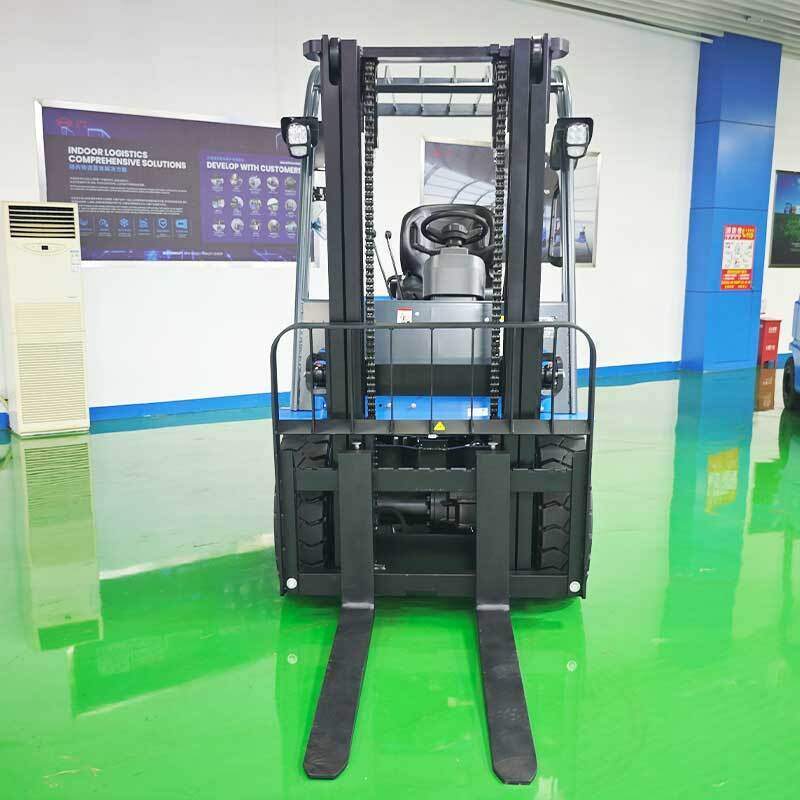
As the logistics and warehousing industry gradually shifts to low-carbon, high-efficiency operation modes, electric forklifts have become one of the most widely applied material handling equipment in indoor and closed operation scenarios in recent years. Different from traditional internal combustion forklifts, electric forklifts rely on electric power drive systems to complete load handling, lifting and transportation tasks, and their use effects are closely related to standardized operation and proper daily management.
Core Advantages of Electric Forklifts in Modern Material Handling
Compared with fuel-driven counterparts, electric forklifts produce no exhaust emissions during the whole operation process, which can meet the environmental protection requirements of enclosed spaces such as food storage workshops, pharmaceutical warehouses and cold chain logistics stations. The overall noise level of the equipment during operation is relatively low, which can reduce the interference to the surrounding working environment and help keep the working area in a stable and orderly state for a long time. Most of the current electric forklift models have compact body structures, which can adapt to narrow channel operation spaces and make full use of the limited storage area of the warehouse.
Standard Daily Operation Specifications for Electric Forklifts
Operators need to receive professional pre-job training before formally taking up their posts, and they should carry out necessary pre-start inspection work before each use, including checking the remaining power level, the flexibility of the lifting hydraulic system, the sensitivity of the braking device and the normal operation of the lighting and warning lights. During the operation process, operators should avoid overloading the equipment beyond the rated load range, and keep a safe distance from surrounding shelves, personnel and other operation equipment. When the equipment shows abnormal jitter or prompt alarm information, the operator should stop the operation in time for inspection, and do not force the equipment to continue to run.
Routine Maintenance Practices to Extend Equipment Service Life
The regular maintenance work of electric forklifts focuses on the inspection and maintenance of the power system, walking transmission system and electrical circuit parts. The surface of the power battery should be kept clean and dry, and the charging operation should be carried out in accordance with the specified operation requirements, avoiding over-discharging or over-charging behavior for a long time. The wear degree of the tire, the lubrication state of the rotating connecting parts and the tightness of the circuit joint should be checked regularly, so as to eliminate potential safety hazards in the initial stage and support long-term stable operation of the equipment.


