
 简体中文
简体中文 Русский
 Français
 Português
 Español
 لالعربية

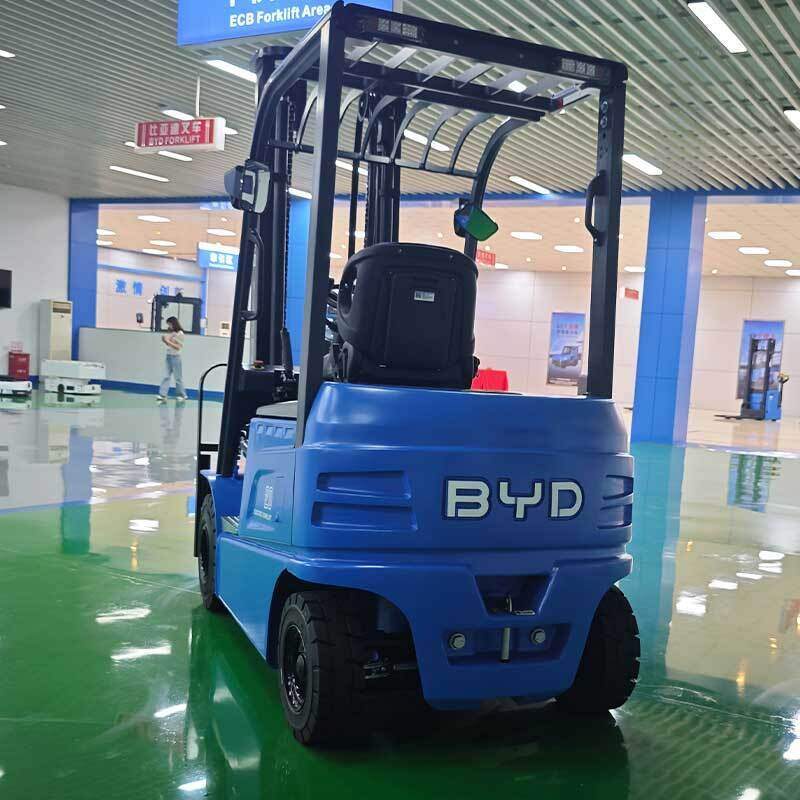
Against the backdrop of low-carbon transformation in global logistics and warehousing sectors, electric forklifts have gradually become the preferred material handling equipment for most indoor and semi-outdoor operation scenarios. Proper operation habits and standardized maintenance arrangements can fully tap the usage value of such equipment, effectively reduce hidden operating costs in the long term, and avoid unnecessary operation risks.
Key Standardized Operation Specifications
All operators should complete systematic basic safety training before getting on the equipment. Before each startup, they need to conduct a quick visual check on battery power level, brake system performance, steering part flexibility and fork wear status to rule out obvious hidden risks. Operators should never carry loads exceeding the rated load threshold of the equipment, slow down in advance when turning, and reserve enough avoidance space in narrow warehouse aisles to prevent scratches with surrounding shelves or passing staff. After finishing daily operation, operators need to park the equipment in the designated area, pull the handbrake, lower the fork to the position close to the ground, and turn off the main power supply.
Routine Maintenance Tips for Longer Service Life
Different from internal combustion handling equipment, the core maintenance focus of electric forklifts is concentrated on power batteries, drive motors and circuit systems. Operators should use matched charging facilities during daily charging, avoid overcharging or storing the equipment under long-term power deficit status, and regularly clean dust and slight rust on the electrode surface. Every three months, arrange professional technical personnel to conduct a full inspection on the sealing performance of the hydraulic system, tire wear status and operation panel sensitivity, replace the parts whose wear degree exceeds the standard in time, and do not keep the equipment working with minor faults for a long time, which may lead to higher repair cost later.
Scenario Matching to Boost Overall Usage Efficiency
Different configurations of electric forklifts fit for different operation scenarios. Logistics managers can select suitable equipment according to actual conditions such as warehouse aisle width, required lifting height and daily average operation duration. For special working environments with high humidity or excess dust, install corresponding protection devices for the circuit system to reduce the negative impact of environmental factors on equipment operation stability. It is also advisable to formulate a standard handover check process for different work shifts, and record basic daily operation status of each equipment to help management team grasp the real-time performance of all units conveniently. A complete set of standardized usage and management system can help logistics operators reduce the overall material handling cost, and improve the smoothness of the whole warehousing operation flow.


