
 简体中文
简体中文 Русский
 Français
 Português
 Español
 لالعربية

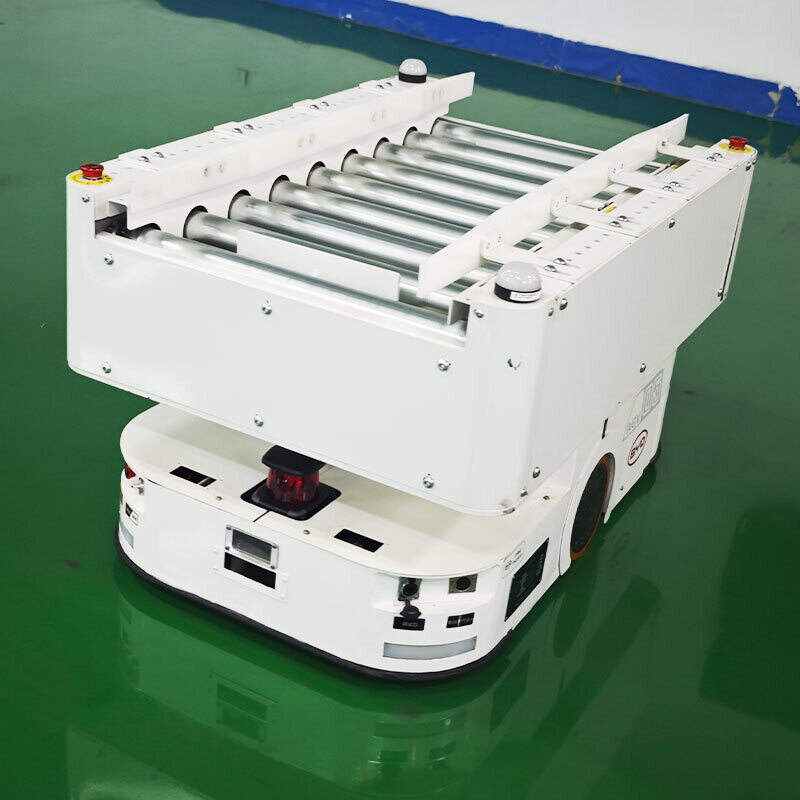
As the logistics and warehousing industry continues to pursue low-carbon and high-efficiency operation, electric forklifts have gradually become one of the most widely used material handling equipment in various industrial scenarios. This guide sorts out practical professional knowledge covering core features, operation norms and maintenance skills, to help relevant practitioners grasp correct usage methods and obtain better use experience.
Core Performance Characteristics of Electric Forklifts
Compared with internal combustion handling equipment, electric forklifts rely on power battery drive, which produces almost no tail gas emission during the whole operation process, and can meet the environmental protection requirements of closed working scenarios such as indoor warehouses, food processing workshops and cold chain storage areas. The overall noise level during operation is relatively low, which can effectively reduce the noise interference to on-site operators and the surrounding working environment, creating a more comfortable working condition. Its power output curve is smoother, and the operation response is more sensitive when carrying out goods lifting, stacking and short-distance transfer tasks, which can adapt to the operation rhythm of high-density material handling scenes.
Standard Operation Specifications for Daily Use
Before each startup, operators need to check the remaining power level, the sensitivity of the braking system, the flexibility of the steering component, and the integrity of the lifting fork structure, and confirm that there is no abnormal obstacle in the surrounding operation route. During the operation process, operators should control the driving speed according to the on-site environmental conditions, avoid sudden acceleration and sudden braking actions, keep the load center within the allowable range of the equipment, and do not carry out overload handling operations. When the operation is finished, the equipment should be parked in the designated safe area, the lifting fork should be lowered to the lowest position, the power supply should be cut off completely, and the relevant use status record should be filled in as required.
Routine Maintenance and Care Suggestions
Daily maintenance work can effectively prolong the service life of electric forklifts and reduce the probability of unexpected failure. Operators need to keep the surface of the power battery clean, avoid long-term full power storage or complete power loss status, and arrange regular charging and maintenance according to the actual use frequency. The lubrication points of the walking system, steering system and lifting system should be filled with professional lubricating oil regularly, and the wear degree of the tire, brake pad and other wearing parts should be checked regularly, and replace the parts in time when the wear degree reaches the specified standard. Do not arbitrarily modify the internal circuit structure or power parameter settings without the guidance of professional technical personnel, to avoid unnecessary safety risks.


