
 简体中文
简体中文 Русский
 Français
 Português
 Español
 لالعربية

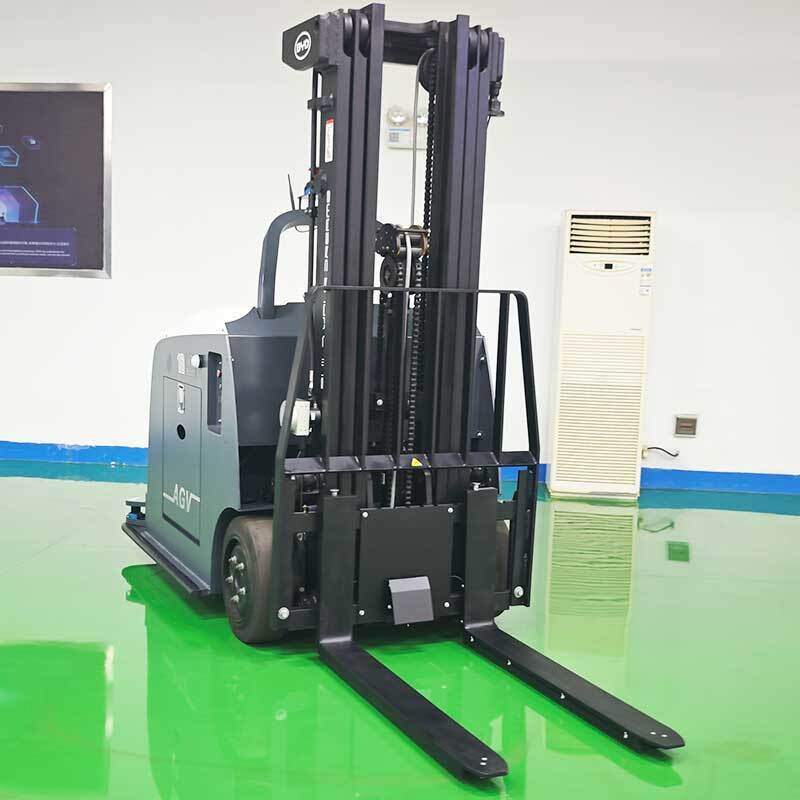
As low-carbon material handling solutions gain wider adoption across warehouses, manufacturing plants and distribution centers, electric forklifts have become one of the most widely applied core logistics equipment for daily cargo moving tasks. Many operation teams lack systematic, practical guidance to maximize the value of their equipment, so this guide shares verified, easy-to-follow industry general knowledge for reference.
Core Operational Best Practices for Daily Use
Before each formal shift, operators need to complete a short pre-check process, including confirming remaining battery level, checking the integrity of forks and protective frames, testing brake and steering sensitivity, and confirming no abnormal leakage of hydraulic components. During operation, staff need to follow site speed limit rules, keep the cargo load center aligned with the fork center line to avoid unbalanced tilting, and do not carry extra passengers on the vehicle beyond the specified number of people. When driving on ramps, keep the cargo facing the upper direction of the slope to avoid slipping risk.
Routine Preventive Maintenance Tips
To keep electric forklifts in stable working status for longer, teams can develop standardized maintenance routines aligned with official operation manuals. Avoid full discharging of the traction battery in daily use, and arrange charging process in well-ventilated, dry spaces that meet safety requirements. Check tire wear condition, wiring harness insulation status and hydraulic oil level on a regular basis, wipe off accumulated dust on the motor and heat dissipation components periodically to avoid overheat risks, and do not modify the original electrical system structure without professional support.
Efficiency Improvement Strategies for Different Scenarios
For different operation scenarios, teams can adjust usage habits to get better performance. In narrow aisle storage areas, avoid sharp steering at high speed to reduce collision risk. When transporting goods with high lifting height, keep the cargo at a low position during long distance traveling to improve driving stability. If the equipment will be idle for more than two weeks, store the vehicle in a dry, temperature-controlled space, and keep the battery at 40% to 60% charge level to extend its cycle life. Regular skill training for new operators can also reduce unnecessary misoperation loss, and lower overall long-term operation cost.


