
 简体中文
简体中文 Русский
 Français
 Português
 Español
 لالعربية

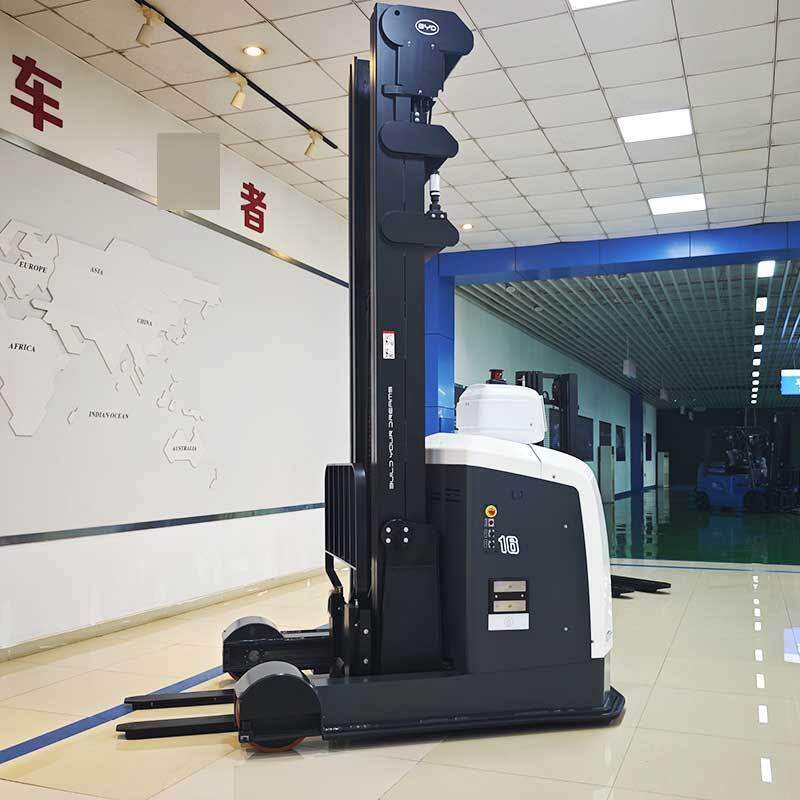
Against the backdrop of rising global demand for low-carbon industrial logistics solutions, electric forklifts have gradually become a core option for various indoor and partial outdoor material handling scenarios across logistics, manufacturing, retail and other sectors. Different from traditional internal combustion powered counterparts, this type of equipment relies on mature electric drive systems to complete cargo lifting, stacking and short-distance transportation tasks, bringing distinct operational characteristics that require relevant personnel to master corresponding professional knowledge to achieve stable, long-term and high-efficiency use.
Core Operational Advantages of Modern Electric Forklifts
Modern electric forklift product designs prioritize ergonomic structure optimization, with adjustable operating handles, wide-view mast structures and low-noise drive modules that effectively reduce operator fatigue during long consecutive shifts. The feature of zero direct emission makes the equipment fully applicable for enclosed indoor warehouse environments, avoiding exhaust pollution risks that may affect stored sensitive goods or indoor air quality. Most current mainstream models support adjustable power output modes, which can be switched freely according to different load weights and road conditions to balance operational efficiency and overall energy consumption performance.
Standard Routine Maintenance Guidelines for Extended Service Life
Regular standardized maintenance work can effectively reduce unexpected equipment failure rates and extend the overall service cycle of electric forklifts. Operating personnel need to check the battery status on a daily basis, including observing the surface cleanliness of the battery pack, confirming the remaining power level before starting operation, and completing charging work in a well-ventilated designated area that meets relevant fire safety requirements. It is also necessary to regularly check the wear degree of walking tires, the flexibility of the lifting mast, the sensitivity of the brake system and the normal operation of the safety warning lights, and carry out corresponding lubrication or parameter adjustment work strictly in accordance with the official operation manual.
Key Notes for Reasonable Scenario Matching Application
Before selecting a suitable electric forklift configuration, users need to fully evaluate the actual parameters of the working scenario, including the maximum weight of conventional transported cargo, the maximum required stacking height, the minimum width of the operation passage, and the flatness condition of the working area road surface. For scenarios that require more than 8 hours of continuous operation per day, users can reasonably arrange the battery rotation schedule to avoid unnecessary interruption of normal logistics operation flow. When operating the equipment, operators need to strictly abide by relevant industrial safety operation specifications, avoid long-term overloading operation, and maintain a sufficient safe distance from surrounding personnel and stacked goods to reduce the risk of accidental safety incidents. Popularizing systematic professional operation and maintenance knowledge can help more enterprises give full play to the performance value of electric forklifts, and steadily promote the low-carbon transformation progress of the entire material handling industry.


