
 简体中文
 Русский
 Français
 Português
 Español
 لالعربية


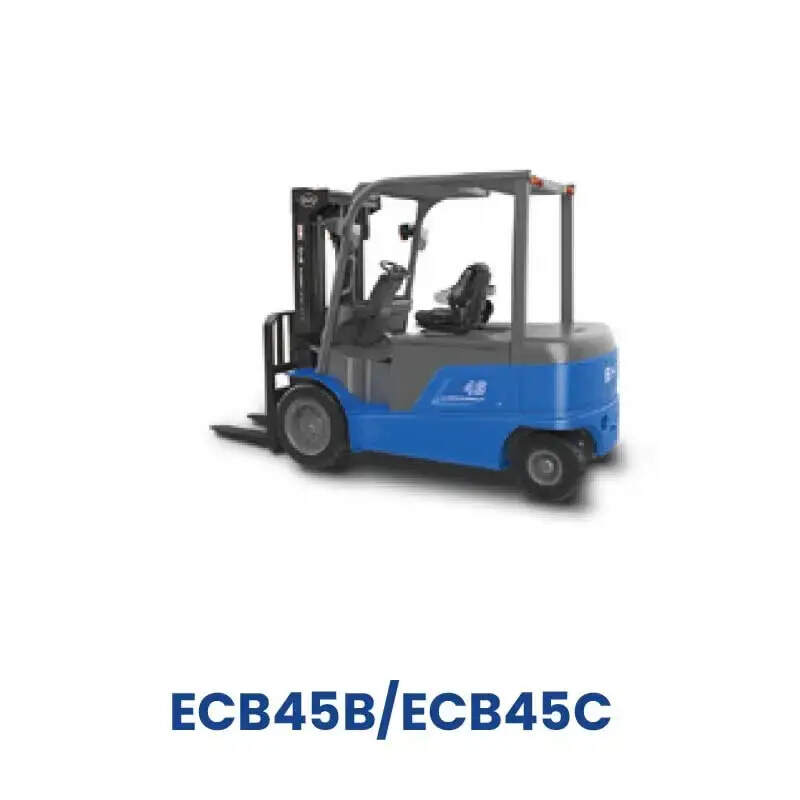
In recent years, as low-carbon operation requirements and refined cost control concepts gain wider popularity across industrial logistics sectors, electric forklifts have become a preferred option for most indoor and semi-outdoor material handling scenarios. Unlike traditional fuel-powered handling devices, electric forklifts operate with relatively low noise and zero direct exhaust emission, which fits the basic requirements of closed warehouse, food processing workshop, pharmaceutical storage and other sensitive working environments very well. This article sorts out practical, industry-recognized knowledge points for electric forklift operation and management, to help relevant practitioners make better use of this type of equipment.
Core Operation Features of Electric Forklifts
Most electric forklift products on the current market adopt electric drive systems, with power output adjusted through motor control modules, which can provide relatively smooth acceleration and deceleration performance during the handling process. The whole structure does not contain complex fuel supply and exhaust treatment components, so the overall weight distribution of the equipment is more balanced, which helps to improve the operational stability when carrying heavy loads at low speed. For most conventional material handling scenarios with average daily operation time less than 8 hours, the power supply configuration of electric forklifts can meet the working demands through daily regular charging, without extra complicated pre-operation preparation procedures.
Routine Maintenance Points for Electric Forklifts
Regular daily inspection and maintenance can effectively keep electric forklifts in good working condition for a long time. Operators can check the wear condition of tires, the tightness of connecting parts, and the surface cleanliness of power modules before each shift, to eliminate minor hidden troubles in time. It is recommended to arrange professional personnel to conduct regular deep inspection on the power system, driving motor and control circuit every certain period, and avoid using non-matched charging devices to supply power for the equipment, which can reduce the probability of unexpected failures during operation.
Efficiency Optimization Suggestions for Daily Use
To give full play to the performance of electric forklifts, the management team can arrange reasonable operation routes according to the layout of the warehouse storage area, reduce unnecessary repeated steering and long-distance no-load driving, so as to save power consumption and improve the single-shift handling volume. Relevant personnel can also provide targeted training for operators, to help them master the correct control logic of the equipment, form good operating habits, and further improve the overall operation efficiency of the whole material handling link.


