
 简体中文
 Русский
 Français
 Português
 Español
 لالعربية


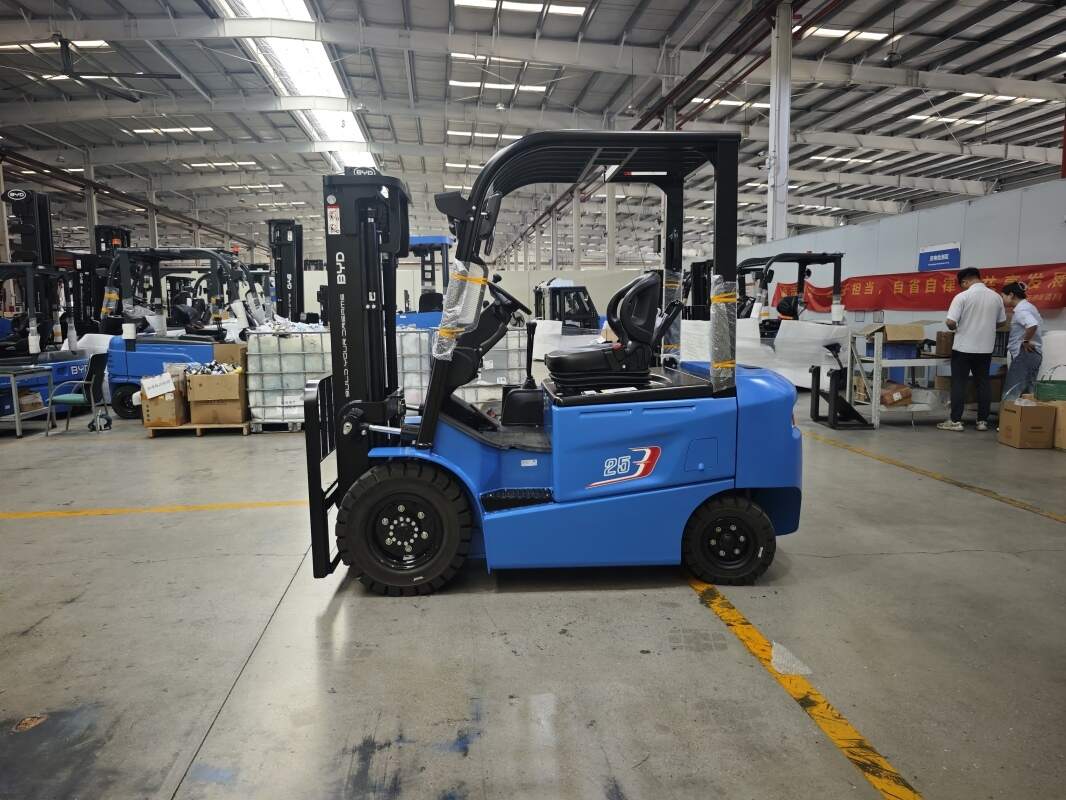
As low-carbon logistics develops rapidly across the global material handling industry, electric forklifts have become one of the most widely used equipment in warehouse, manufacturing and port storage scenarios. Different from internal combustion counterparts, electric forklifts rely on power battery systems to provide driving and lifting force, with unique characteristics that require users to master targeted operation and management rules to give full play to their functional advantages.
Core Operation Norms for Safe Daily Use
Operators need to receive systematic professional training before officially using the equipment, and get familiar with the distribution of control components, load limit parameters and warning settings of the machine. Before each starting, check the surrounding working environment to clear potential obstacles, confirm that the load weight does not exceed the rated load value of the equipment, and avoid sharp acceleration, sudden steering and other improper actions in narrow working channels. During the goods stacking process, keep the mast in vertical state as far as possible to reduce the risk of goods slipping and equipment tipping.
Routine Maintenance to Extend Equipment Service Life
Regular daily maintenance can effectively reduce the failure rate of electric forklifts, and avoid unplanned shutdown that affects the overall operation rhythm of the warehouse. After each shift, wipe the dust and oil stains on the surface of the vehicle body, check the wear degree of tires, forks and transmission components, and confirm that the battery shell has no damage or liquid leakage. Arrange professional personnel to conduct deep inspection of the power system and hydraulic system every fixed cycle, replace the aging lubricating oil and sealing parts in time, and record all maintenance details to form a complete equipment management file.
Energy Efficiency Optimization for Long-Term Stable Performance
Users can adjust the operation flow according to the actual working conditions to improve the energy utilization efficiency of electric forklifts. Reasonably arrange the charging time according to the daily working hours, avoid long-term full load or empty driving for a long distance, and make full use of the low-temperature preheating function of the battery system in low-temperature working scenarios to maintain stable power output. Scientific energy management can effectively extend the single continuous working time of the equipment, reduce the long-term operation cost, and match the low-carbon development demand of modern storage scenarios.


