
 简体中文
 Русский
 Français
 Português
 Español
 لالعربية


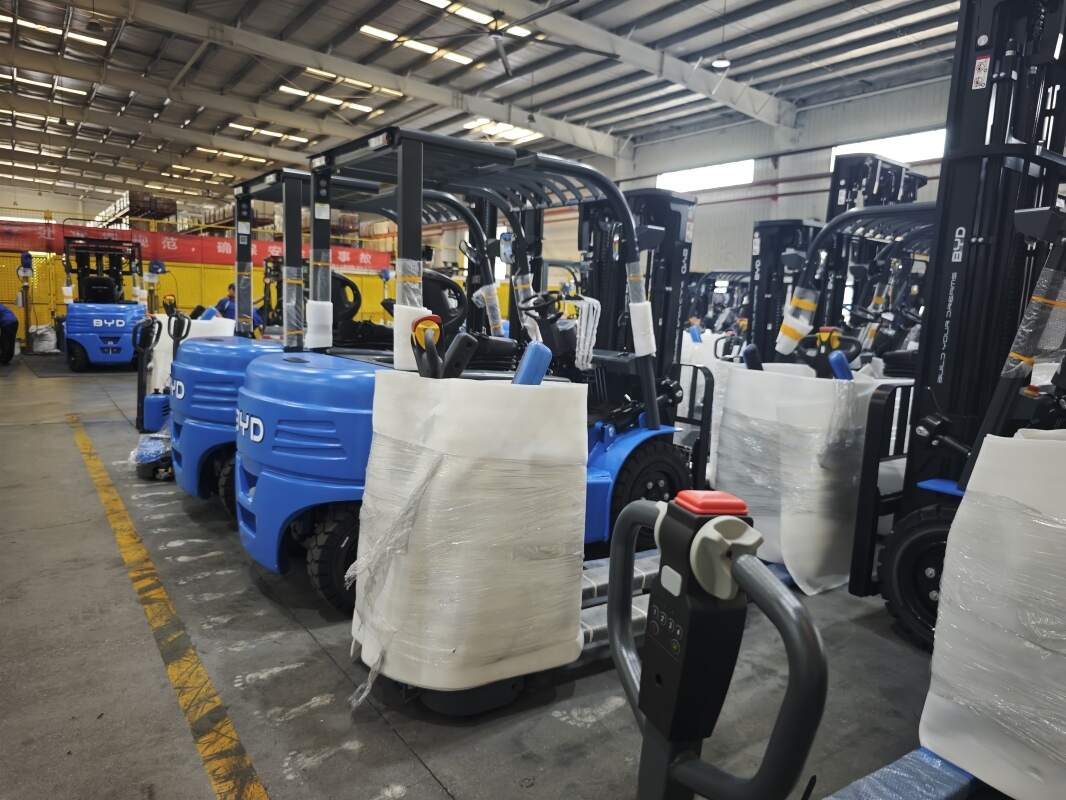
As the logistics and warehouse industry continues to pursue low-carbon operation and high handling efficiency, electric forklifts have gradually become one of the most widely applied material handling equipment in indoor and closed working scenarios in recent years. Users who master correct usage and management rules can fully release the use value of such equipment in daily operation.
Core Advantages of Modern Electric Forklifts
Compared with internal combustion counterparts, this type of equipment produces no tail gas emission during operation, which can effectively avoid air pollution in relatively enclosed warehouse spaces and reduce adverse impacts on the health of on-site operators. The overall operation noise of mature electric forklift products is kept at a relatively low level, which can help reduce noise interference to surrounding office areas and other working zones, and create a more comfortable working environment for frontline staff. The energy cost per unit operation is also relatively lower, which can help control the long-term operation expenditure of warehouse projects.
Key Operation Standard Protocols
Before starting each shift, operators need to complete the necessary pre-inspection work, including checking the remaining power of the power supply, the flexibility of the steering system, the braking sensitivity, and the normal state of the lifting structure. During the operation process, operators need to keep the load within the rated load range of the equipment, avoid sharp turning and sudden braking actions as far as possible, and keep a safe distance from surrounding personnel and storage shelves. When the equipment is working in narrow channel scenarios, operators need to slow down in advance and give proper prompts to surrounding personnel to avoid safety risks caused by visual blind areas.
Routine Maintenance Tips to Extend Service Life
After each daily use, operators need to park the equipment in the designated charging and storage area, lower the lifting frame to the lowest position, and cut off the main power supply of the whole machine. The power supply module needs to be charged according to the specified operation requirements, and long-term over-discharge or over-charging situations should be avoided as far as possible. The surface of the equipment body and the moving parts of the transmission structure should be cleaned regularly, and proper lubrication treatment should be carried out for the rotating connection parts according to the specified maintenance cycle, to reduce the wear degree of parts in daily operation.
Application Scenario Optimization Suggestions
For different warehouse operation demands, users can adjust the matching parameters of the equipment properly according to the actual working channel width, maximum lifting height demand and average load weight, to make the operation efficiency match the whole warehouse operation flow. For long-term high frequency operation scenarios, users can arrange reasonable shift schedules to avoid long-term continuous operation of a single unit of equipment, so as to maintain stable operation state of the equipment for a long time.


