
 简体中文
 Русский
 Français
 Português
 Español
 لالعربية


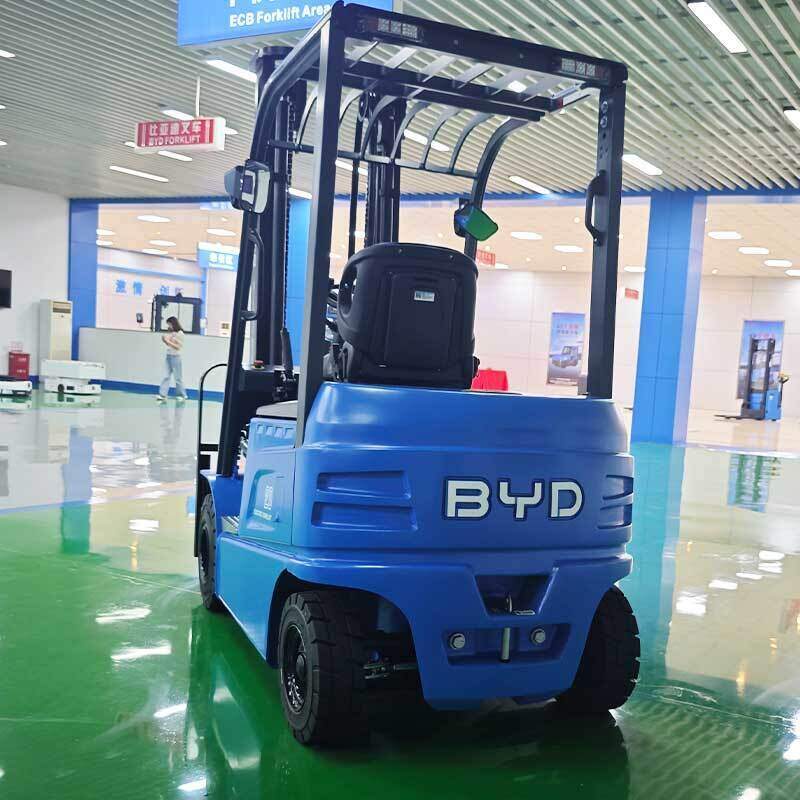
As low-carbon logistics requirements keep rising across the global material handling sector, electric forklifts have gradually become a mainstream equipment choice for most storage, manufacturing and distribution scenarios. Unlike traditional internal combustion forklifts, electric forklifts rely on battery power to complete cargo lifting, transporting and stacking tasks, with unique advantages in noise control, emission reduction and long-term use cost control. Many operators and warehouse managers still lack systematic cognition on how to fully tap the value of this type of equipment, so this guide sorts out core practical points from multiple targeted dimensions.
Standardized Daily Operation Specifications
The first step to extend the service life of electric forklifts and reduce hidden safety risks is to follow standardized operation requirements. Before starting the equipment, operators need to check the remaining power level, the tightness of the lifting chain, the flexibility of the brake system and the integrity of the warning light first, to avoid starting operation with existing hidden faults. During the operation process, operators should avoid overloading beyond the rated load range, keep the cargo center of the fork within the allowable distance, and avoid sharp steering or sudden braking when the equipment is running at a relatively high speed. It is also not allowed to carry people on the fork or lift personnel directly without special supporting platforms, which can effectively reduce the probability of safety accidents.
Scientific Routine Maintenance Measures
Scientific and regular maintenance can effectively prolong the service cycle of electric forklifts and reduce the frequency of unexpected failures. For the power battery part, operators should follow the corresponding charging specifications according to the specific battery type, avoid over-discharging the battery to less than 20% of the total power for a long time, and keep the surface of the battery pack clean and dry to avoid liquid corrosion. For the walking and lifting transmission components, regular lubrication and wear check should be carried out every 300 to 500 working hours, replace the worn parts in time when the wear degree exceeds the allowable range, and do not force the equipment to run with abnormal sound or lag in response. The whole maintenance process should be recorded completely, to facilitate the later tracking of equipment status.
Efficiency Optimization Skills for Actual Scenarios
Reasonable matching of working scenarios can further improve the using efficiency of electric forklifts. For high-intensity continuous operation scenarios, you can configure a backup battery to realize fast battery swapping, so as to reduce the downtime caused by long charging time. In narrow aisle operation scenarios, reasonably plan the driving route of the equipment in advance, avoid frequent turns and parking waiting, and arrange the sorting and stacking sequence of goods according to the actual storage location, so as to reduce the no-load running distance of the equipment. Regularly train operators to master the operation skills proficiently, which can further reduce the unnecessary energy consumption in the operation process, and give full play to the comprehensive cost advantage of electric forklifts.


