
 简体中文
 Русский
 Français
 Português
 Español
 لالعربية


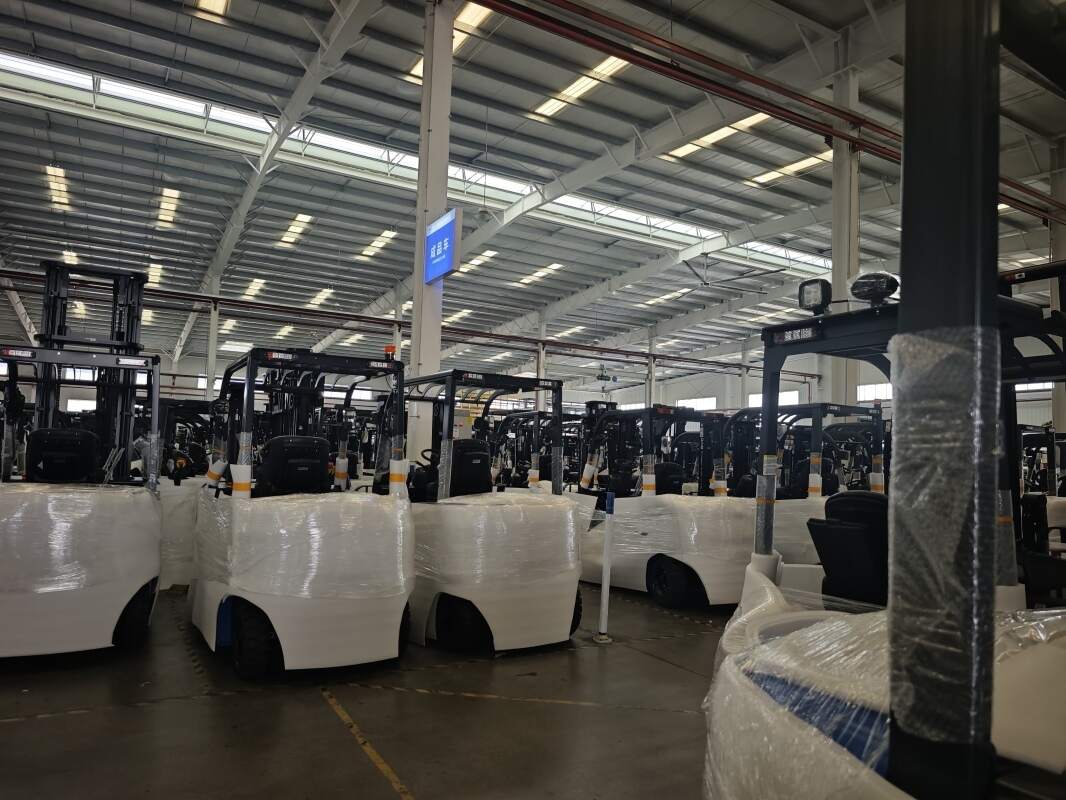
As low-carbon logistics development becomes the mainstream trend in the material handling sector, electric forklifts have gradually become the preferred equipment for most warehouse and industrial operation scenarios, replacing a large share of traditional internal combustion forklift applications. This guide sorts out practical, field-verified knowledge points for frontline operators and warehouse managers to reference in daily work.
Core Operational Advantages of Modern Electric Forklifts
Unlike fuel-powered counterparts, electric forklifts generate almost zero exhaust emission during the entire operation process, which fits the environmental assessment requirements of enclosed indoor warehouse spaces. The overall vibration and noise level during operation is relatively lower, which can effectively reduce the fatigue of operators after long shifts, and lower the noise interference to other staff working in the same operation area. The power output adjustment of electric models is smoother, which brings more precise control performance when handling fragile goods or operating in narrow aisle spaces with high-density shelves.
Standard Daily Operation Specifications for Operators
Before each shift, operators need to check the remaining power level of the battery, confirm the normal working status of braking system, lifting mechanism and warning lights, and conduct 3 to 5 minutes no-load test run before formal operation. During the operation process, it is not recommended to carry loads beyond the rated load capacity for a long time, and keep proper distance between the fork tip and the goods to avoid puncturing or damaging the package. When turning in narrow aisles, operators need to slow down in advance and observe the surrounding conditions to avoid collision with shelves or passing staff.
Routine Maintenance Tips to Extend Service Life
Regular cleaning of the dust and debris accumulated on the surface of motor and power connection ports every two weeks can effectively avoid poor contact caused by dust deposition. When storing the equipment for more than 3 days, it is recommended to park it in a dry and ventilated position, and keep the battery charge level at about 60% to avoid deep power loss that may affect the overall battery cycle life. Operators need to check the wear degree of tires and lifting chains every month, and apply proper amount of anti-rust lubricant to the movable connection positions according to actual operation frequency.
Long-term Operation Efficiency Optimization Suggestions
Enterprises can arrange the charging schedule of electric forklifts in non-peak operation periods according to their own warehousing workflow, so as to avoid equipment shortage caused by centralized charging during peak hours. Matching the corresponding load capacity and lifting height parameters of electric forklifts with the actual storage shelf height and average goods weight can also avoid unnecessary performance waste, and help control the overall operation cost of the material handling system.


