
 简体中文
 Русский
 Français
 Português
 Español
 لالعربية


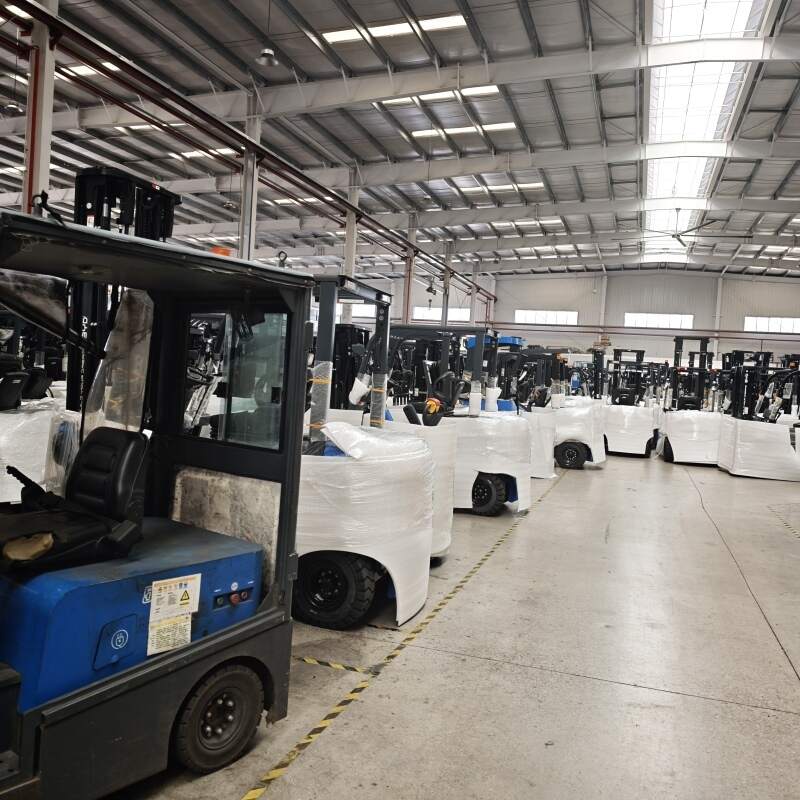
Against the general trend of low-carbon transformation of logistics industry, electric forklifts have been widely applied in various indoor and semi-outdoor material handling scenarios in recent years. Many frontline operators and warehouse managers still lack systematic and practical cognition of the correct usage and management methods of this type of equipment, which may lead to unnecessary operation loss or safety risks.
Core Performance Traits of Electric Forklifts
Different from traditional internal combustion forklifts, modern electric forklifts output power via high-efficiency motor systems, which produce no local exhaust emission during operation. The linear power output feature effectively reduces the vibration level when the equipment starts or adjusts speed, lowering the risk of collision damage to fragile goods in handling process. Most mainstream products can adapt to different operation requirements including horizontal transportation, high-position stacking, narrow-channel turning, etc, with different load capacity specifications to match the material handling demands of various warehouse scales. The overall operating noise of electric forklifts is far lower than fuel-powered counterparts, which can reduce the noise interference to working staff in closed warehouse space, and improve the overall working comfort of the operation area.
Standardized Daily Operation Specifications
Before starting each shift, operators need to check the remaining power level of the power unit, the flexibility of the braking system, the sealing state of hydraulic lifting components, and the sensitivity of safety warning devices, and do not start operation when hidden dangers are found. During the operation process, operators should strictly follow the load limit specification of the equipment, keep a safe distance from surrounding shelves and personnel, and control the driving speed within the allowed range in narrow channels or dense personnel activity areas. After finishing daily work, operators should park the equipment in the designated area, lower the lifting frame to the lowest position, cut off the main power supply, and record the abnormal status found in the shift in the corresponding management log.
Routine Maintenance Suggestions
Regular maintenance work can effectively extend the service cycle of electric forklifts and reduce long-term comprehensive operation cost. Operators can regularly clean the dust and debris accumulated on the motor heat dissipation structure to avoid the influence of excessive temperature rise on operation efficiency. It is necessary to check the shell integrity and connection state of the power unit regularly, and keep the surface of the joint parts dry to avoid abnormal power consumption caused by damp. It is also recommended to check the calibration state of the limit sensor of the lifting system at fixed intervals, and replace the hydraulic oil according to the official guidance to keep the stability of the lifting and descending function. Avoid exposing the electric forklift to high humidity or strong corrosive environment for a long time without protective measures, to prevent unnecessary damage to the internal electrical components. Following the above practical rules can help enterprises give full play to the advantages of electric forklifts, and build a safer and more efficient low-carbon material handling system.


