
 简体中文
 Русский
 Français
 Português
 Español
 لالعربية


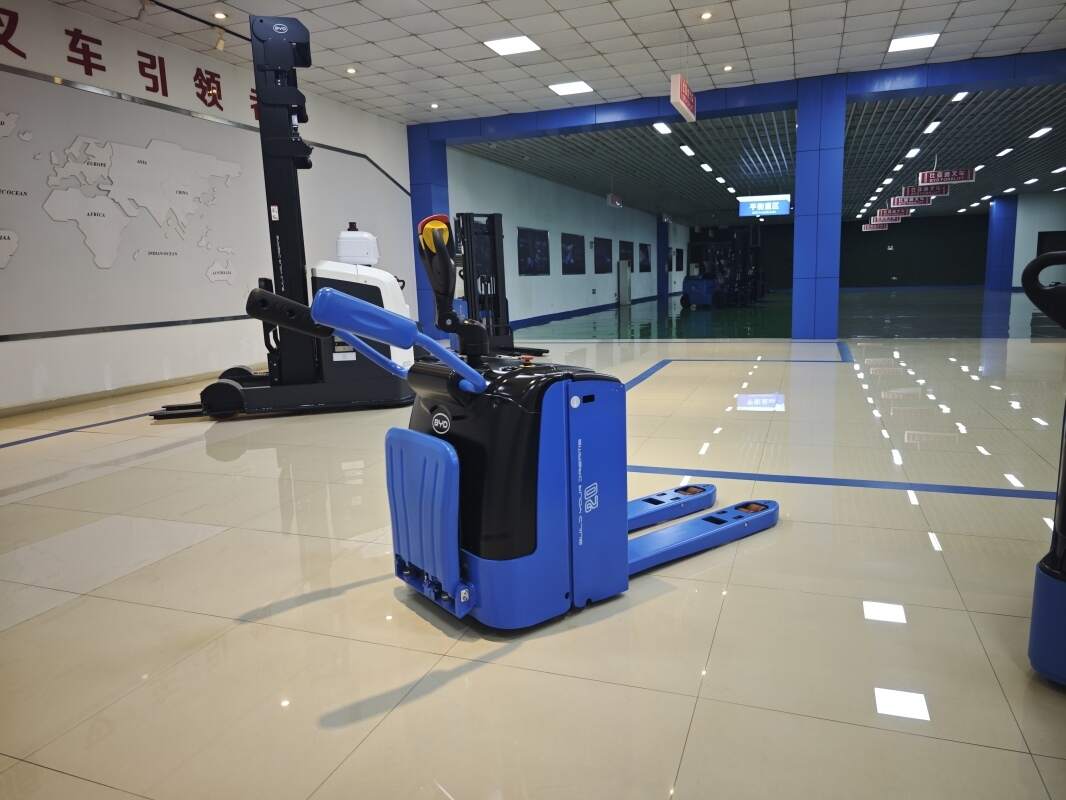
With the rapid development of modern logistics and manufacturing industries, electric forklifts have become one of the most widely used material handling equipment in indoor operation scenarios for their low noise, zero local emission and easy operation features. Mastering correct use and maintenance knowledge can help operators give full play to the performance of the equipment, reduce unnecessary operation risks and lower long-term operating cost for enterprises.
Core electric forklift Operation Safety Guidelines
Before starting each shift, operators need to complete a full pre-operation check, covering the working status of brake system, warning light, steering structure and residual battery level to confirm no hidden risks exist before formal operation. All relevant personnel need to receive regular professional training to get familiar with the load limit and operation radius of the equipment. During the driving process, operators need to keep a clear sight of surrounding environment, slow down at crossings and pedestrian intensive areas, avoid sharp turning or sudden emergency stop at high speed, and never allow personnel to stay under the lifted forks no matter in static or moving status. When working on sloped roads, operators should keep the load facing upward to prevent slipping of goods, and do not turn on the slope to avoid rollover risks.
Scientific Daily Maintenance Protocols
After each shift, operators should wipe the body surface clean, remove the accumulated dust, packaging scraps and sundries stuck in the gap of moving parts to avoid extra wear of components. For the core power battery, operators need to check the electrolyte level at regular intervals, arrange charging work in dry and ventilated dedicated areas, and avoid overcharging or deep discharging for a long term. The tire wear condition, circuit connection tightness and hydraulic seal performance should be checked regularly, and damaged parts should be replaced with matching specifications in time to avoid secondary damage to related structures.
Practical Tips to Improve Energy Efficiency
Enterprises can reasonably plan the material handling route in advance to reduce unnecessary repeated driving and empty load running. Operators can adopt gentle acceleration and deceleration operation habits, avoid long time of full load continuous running, which can effectively extend the single charging range of the equipment. Regular calibration of power system parameters also helps maintain the equipment in a stable working state, reducing extra energy consumption caused by performance attenuation. Following the above operation and maintenance specifications can help electric forklifts adapt to various indoor material handling scenarios smoothly, create a safer and more efficient working environment for frontline operation teams.


