
 简体中文
简体中文 Русский
 Français
 Português
 Español
 لالعربية

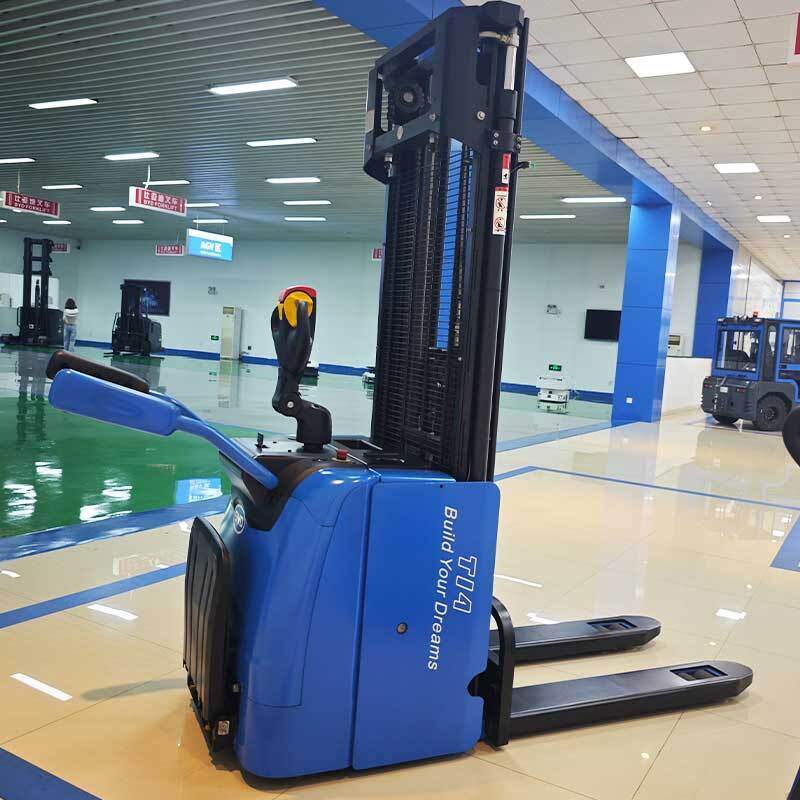
Nowadays electric forklifts have become one of the most widely used material handling equipment in indoor warehousing, manufacturing workshops and cold chain logistics scenarios, as the global low-carbon industrial development trend continues to advance. Mastering proper usage and management knowledge of electric forklifts can help relevant practitioners give full play to the equipment’s value, reduce unnecessary operational consumption, and create more stable operating conditions for logistics links.
Core Performance Characteristics of Electric Forklifts
Compared with traditional internal combustion handling equipment, modern electric forklifts produce no exhaust emission on the working site, and the overall operation noise is controlled at a relatively low level, which can meet the environmental requirements of closed indoor spaces, food processing workshops and pharmaceutical storage areas. The power output of electric forklifts is smoother during operation, which can reduce the risk of damage to fragile cargo caused by sudden power fluctuation, and bring more stable operation experience for operators with proper training.
Standardized Daily Operation Requirements
Operators are suggested to complete a full pre-shift inspection before each use of the electric forklift, including checking the remaining battery level, the flexibility of the braking system, the wear condition of the forks, and the normal operation of the warning lights. During the driving process, operators need to strictly follow the rated load limit of the equipment, avoid overloading that may cause potential safety risks, keep running at a reduced speed when passing through narrow channels or pedestrian concentrated areas, and keep the cargo at a low position when driving on ramps to prevent the goods from falling accidentally.
Scientific Routine Maintenance Measures
Regular and targeted maintenance can effectively extend the service life of electric forklifts and maintain their stable operating performance. For the power battery part, users should avoid long-term overcharge and deep discharge, regularly clean the dust and impurities on the battery terminal to avoid poor contact. For the hydraulic transmission system, it is necessary to regularly check for hidden leaks, lubricate the movable connecting parts on schedule, and clear the debris accumulated in the wheel gap to avoid affecting the normal driving state. The braking system should be calibrated regularly to ensure its response sensitivity meets the operation safety standards.
Usage Efficiency Optimization Suggestions
Combined with the actual layout of the storage site, logistics managers can reasonably plan the operation route of electric forklifts, reduce unnecessary round-trip driving distance, and arrange operation shifts evenly to avoid long-term continuous high-load operation of the equipment. Regular performance testing can help staff find small hidden problems in time before they develop into major faults, which can reduce the downtime of the equipment, and further improve the overall turnover efficiency of warehouse logistics. With standardized operation and proper maintenance, electric forklifts can adapt to diverse material handling demands of different scenarios, and support the steady operation of the whole logistics system.


