
 简体中文
 Русский
 Français
 Português
 Español
 لالعربية


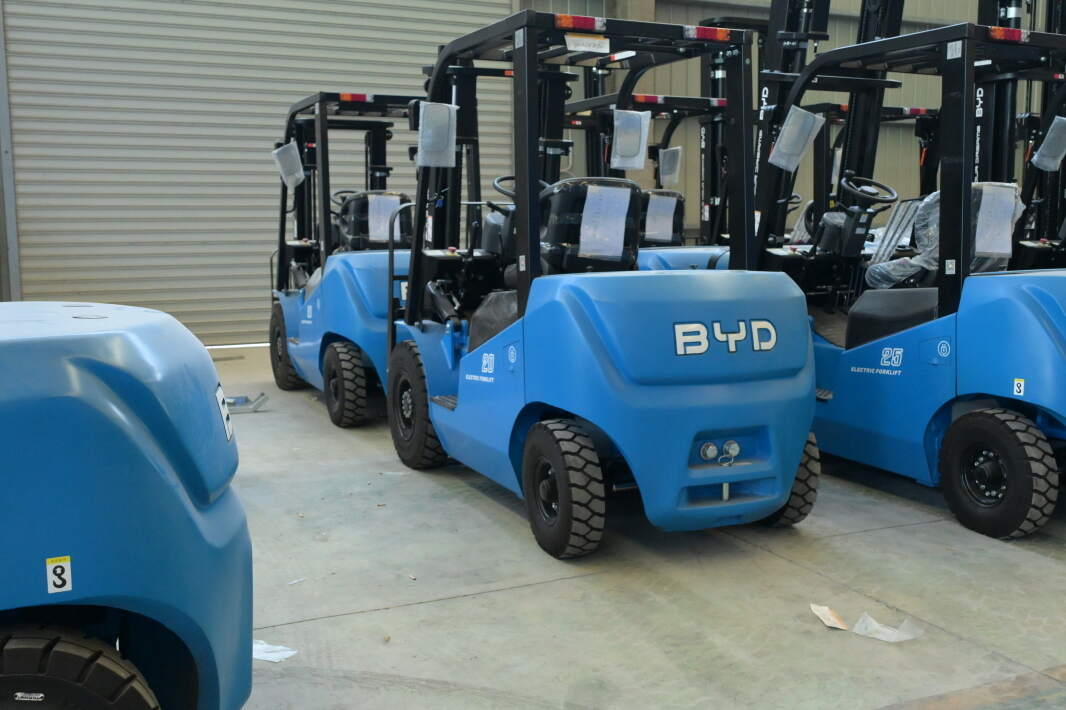
As low-carbon logistics becomes the mainstream trend of modern industrial operation, electric forklifts have occupied an increasingly large share in the field of indoor and semi-outdoor material handling in recent years. Relevant practical knowledge of this type of equipment can help operation teams maximize the value of equipment input, and adapt to daily production and operation demands in different scenarios.
Core Functional Advantages of Electric Forklifts
Different from fuel-powered material handling equipment, electric forklifts rely on stored electric energy as the power source, which will not produce exhaust emissions during the whole operation process. The overall noise level during operation is far lower than that of fuel equipment, which creates a more comfortable working environment for warehouse staff. In terms of long-term operation cost, the unit energy consumption cost of electric forklifts is much lower than the fuel cost of traditional equipment, which can help the operation side control the daily expenditure of material handling links steadily. This type of equipment also has relatively fewer transmission components, which reduces the frequency of regular mechanical maintenance to a certain extent.
Standardized Daily Operation and Maintenance Points
Before each shift of operation, operators need to check the remaining power of the power system, the flexibility of the braking and steering system, and the lubrication status of the lifting structure first. After the daily operation is finished, the sundries accumulated on the surface of the equipment and the dust near the motor and heat dissipation structure should be cleaned in time. The staff should arrange regular professional inspection for the wearing parts, so as to reduce the probability of sudden failure in peak operation period. Avoid long-term overloading during operation, which can effectively extend the service life of the whole equipment. Regular cleaning of the power connection interface is also a necessary measure to avoid poor contact caused by long time use.
Efficiency Optimization Methods for electric forklift Deployment
Operation teams can select equipment with proper load and body size according to the actual width of warehouse access and the common weight of handled goods, so as to improve the passing performance of equipment in narrow channel scenarios. It is also feasible to plan reasonable operation routes for different operation tasks, reduce unnecessary empty driving distance, and arrange the charging schedule of power system in non-peak electricity consumption period, so as to further reduce the overall operation cost of the material handling link. For most industrial and commercial scenarios that demand frequent material transfer, mastering the above practical knowledge of electric forklifts can bring stable positive effects to the daily operation of the whole warehouse.


