
 简体中文
 Русский
 Français
 Português
 Español
 لالعربية


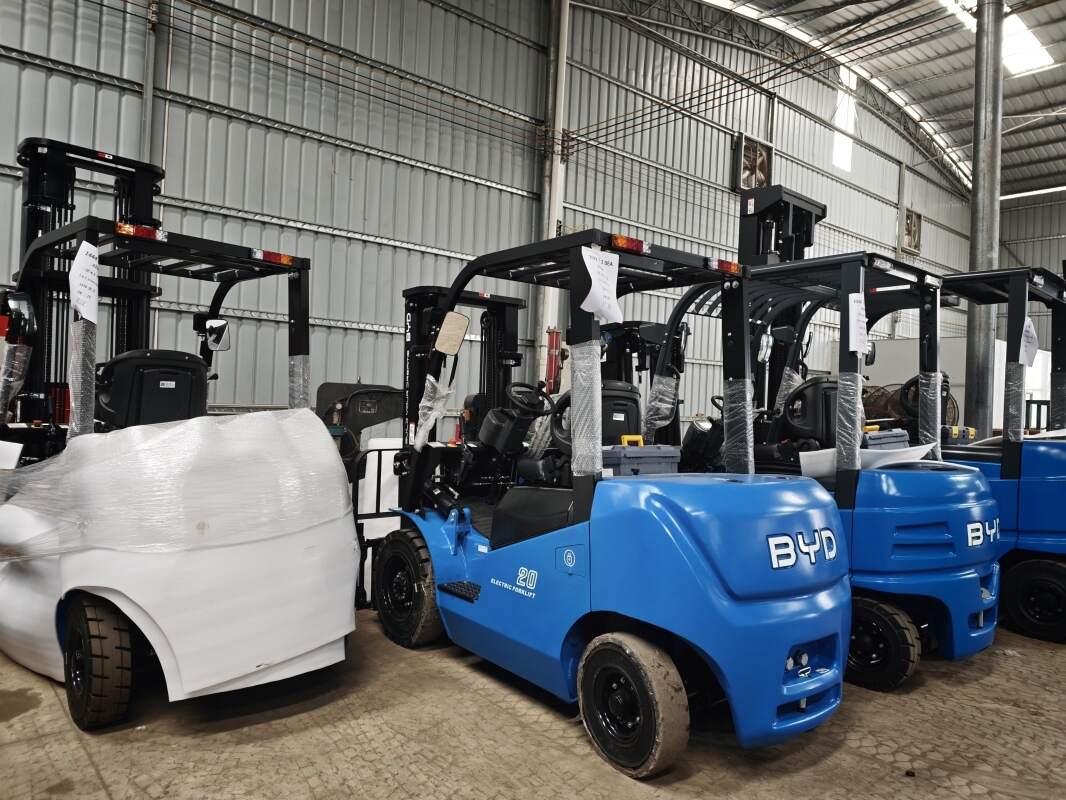
Against the current trend of low-carbon and efficient warehouse operation, electric forklifts have become one of the most widely used material handling equipment in indoor storage scenarios. As a professional with years of experience in the electric forklift industry, this guide sorts out practical, easy-to-follow operation and maintenance tips for frontline practitioners, to help users get more stable performance output from the equipment.
Core Functional Advantages of Electric Forklifts in Daily Use
Different from traditional internal combustion handling equipment, electric forklifts produce no local exhaust emissions during operation, which meets the environmental protection requirements of closed indoor spaces, and will not cause adverse impact on stored goods that are sensitive to volatile pollutants. The overall noise level of the equipment during operation is far lower than that of fuel-powered products, which can reduce the long-term noise interference to on-site operators, and create a more comfortable working environment for the warehouse operation team. The torque output of the electric drive system is smoother, and the operation control threshold is relatively friendly for new operators after simple training.
Routine Maintenance Rules to Prolong Equipment Service Life
The core energy component of electric forklifts needs regular inspection of the connection tightness and the electrolyte level in the working state, and the charging process should be carried out in a dry and ventilated environment that meets the temperature requirements, to avoid performance attenuation caused by improper charging habits. The heat dissipation structure of the drive motor and the wear degree of the brake pads should be checked every week, and the sundries wound on the walking wheel structure should be removed in time, to avoid abnormal jitter during the driving process. Do not leave the equipment in a state of full power loss for a long time, which will cause unnecessary damage to the internal circuit of the power system.
Standard Operation Specifications to Reduce Safety Risks
During daily use, operators should not exceed the rated load capacity of the equipment, and avoid lifting goods to a height higher than the safe range specified by the product design. It is not recommended to drive at high speed when turning, and do not drive across the slope to avoid side slip risk. No irrelevant personnel are allowed to stand on the cargo forks to perform high-altitude operations, which does not conform to the basic safety operation norms of material handling equipment. Operators should carry out pre-operation patrol checks before starting the equipment every day, and report any abnormal performance found in time for professional inspection.


