
 简体中文
 Русский
 Français
 Português
 Español
 لالعربية


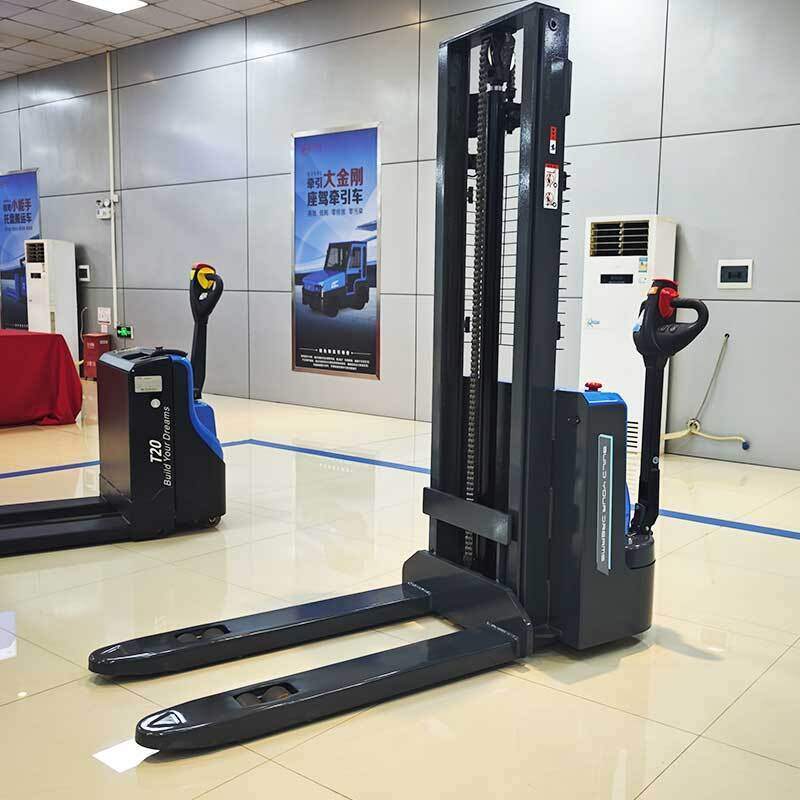
As low-carbon logistics equipment gains wider popularity across warehouse, manufacturing and distribution scenarios, electric forklifts have become a core tool for material handling operations. Proper mastery of relevant operation, maintenance and efficiency optimization knowledge can help operators reduce unnecessary operation risks, lower long-term usage costs and improve overall work productivity.
Core Pre-operation Inspection Protocols
Before each formal operation, operators need to complete a series of standardized check work to eliminate hidden risks in advance. The check scope includes the status of power supply modules, the flexibility of lifting and steering structures, the normal function of safety warning lights and alarm devices, as well as the wear condition of tire surfaces. Operators should not start the equipment for operation before confirming all inspection items meet the normal standards, to avoid potential safety hazards that may affect subsequent work processes.
Optimized Daily Operation Best Practices
In the actual operation process, operators need to keep the load weight strictly within the rated bearing range specified by the equipment parameters, and avoid sudden steering, sudden braking or sharp acceleration actions when carrying goods. When passing on ramps, uneven road surfaces or narrow passages, operators need to properly control the driving speed and keep a safe distance from surrounding personnel, facilities and other logistics equipment. For long-distance material handling work, operators should plan the driving route in advance to reduce unnecessary detours and cross-traffic interference.
Targeted Routine Maintenance to Extend Service Life
Following the specified maintenance cycle to complete corresponding care work can effectively prolong the stable service life of the equipment. For the power system, operators need to follow the correct charging process, avoid long-term undercharged or overcharged status, and clean the dust on the surface of the power module regularly. For the hydraulic lifting system, it is necessary to check the liquid level and quality of the hydraulic oil at regular intervals, and replace the aging sealing parts in time if abnormal leakage is found. The body surface should also be cleaned of accumulated dust and sundries after each shift to prevent corrosive substances from eroding the structural parts.
Energy Efficiency Optimization Strategies
Reasonable adjustment of operation habits can effectively improve the energy utilization efficiency of electric forklifts, and extend the single continuous operation time of the equipment. Operators can reasonably arrange the sorting of goods to reduce the number of repeated loading and unloading within the same work area, and avoid long-time idle operation of the equipment when there is no handling demand. When the equipment is not in use for a long time, the power switch should be turned off in time, and the equipment should be parked in the designated ventilated, dry and shade position to avoid unnecessary power loss.


