
 简体中文
 Русский
 Français
 Português
 Español
 لالعربية


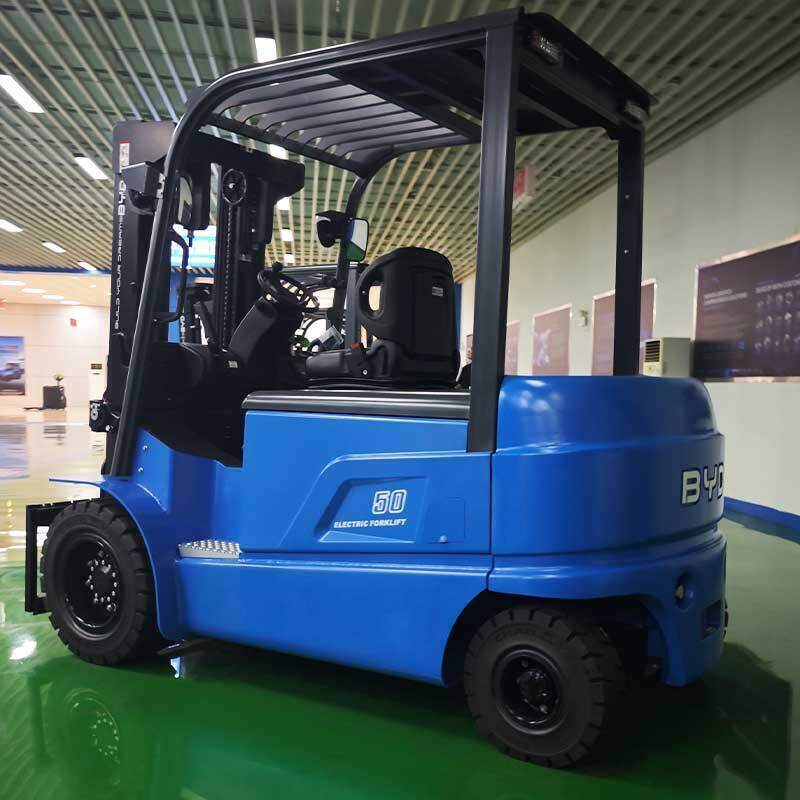
Against the backdrop of global low-carbon logistics transformation, electric forklifts have occupied an increasingly large proportion in the material handling equipment market in recent years. Many frontline warehouse operators and equipment managers still lack systematic, practical knowledge to maximize the performance of this type of equipment in daily operations. This guide sorts out core practical points from multiple dimensions based on long-term industry practice, to provide reference for relevant practitioners.
Core Functional Advantages of Electric Forklifts for Common Scenarios
Different from traditional internal combustion handling equipment, modern electric forklifts produce no local exhaust emission during operation, which is very suitable for enclosed indoor warehouse spaces, food processing workshops, medicine storage areas and other scenarios that have strict requirements for ambient air quality. The overall noise level during operation is far lower than that of fuel-powered equipment, which can effectively reduce the noise interference to surrounding working staff and improve the comfort of long-term working environment. The power output of electric forklift is more stable and continuous, which can avoid the sudden power fluctuation that may occur in traditional fuel equipment, and bring higher protection for the handling of fragile, high-precision goods.
Standardized Daily Maintenance Points to Extend Equipment Service Life
Reasonable daily maintenance habits can effectively reduce the failure rate of electric forklifts in long-term use. Operators need to check the remaining battery level before each shift, and arrange charging in time after the daily operation is completed to avoid over-discharging the battery pack. They also need to regularly clean the dust and debris accumulated on the surface of the vehicle, and check the lubrication status of the lifting chain, transmission components and brake system regularly according to the operation manual. It is not recommended to keep the equipment running at full load for a long time beyond the specified duration, which can avoid unnecessary loss of the motor and control system.
Basic Safety Operation Specifications for Daily Use
All operators need to receive standardized professional operation training before officially using the electric forklift. When driving in narrow warehouse aisles, operators need to slow down in advance when turning to avoid collision with stacked goods or passage facilities. After the goods are lifted to a certain height, no staff is allowed to stay directly below the load, to avoid safety risks caused by accidental falling of goods. When driving on the ramp, keep the low-speed stable driving state, avoid sudden acceleration or sudden braking, to prevent the goods from slipping off the fork. Following the above practical operation and management points, enterprises can give full play to the performance advantages of electric forklifts, effectively improve the overall efficiency of material handling links, and create more stable benefits for daily operation.


