
 简体中文
 Русский
 Français
 Português
 Español
 لالعربية


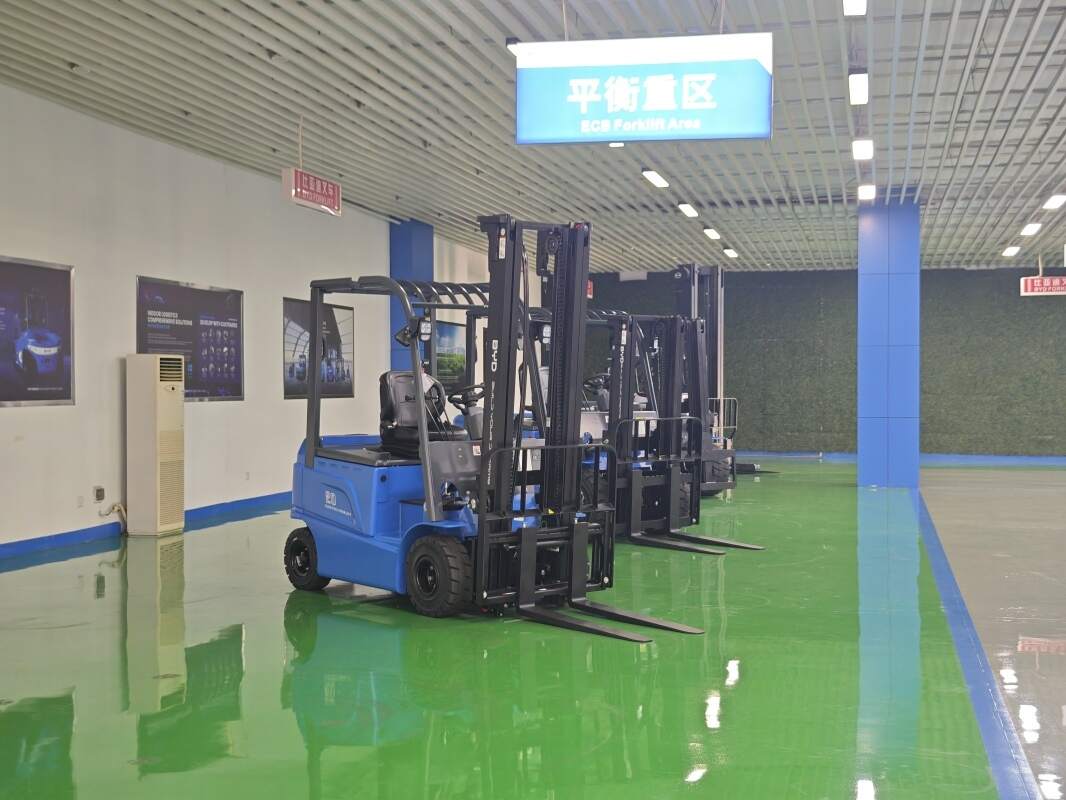
As the low-carbon transformation of the logistics and warehousing industry accelerates, electric forklifts have become one of the most widely used material handling equipment in indoor and closed working scenarios, with their low noise, zero local emissions and flexible operation features. Mastering correct operation and maintenance methods can help enterprises give full play to the performance of such equipment and optimize the overall operation flow of the handling link.
Core Performance Advantages of Modern Electric Forklifts
Unlike traditional internal combustion handling equipment, electric forklifts rely on power battery packs to output driving and lifting power, and do not produce exhaust fumes that affect indoor air quality, which fits the environmental protection requirements of most modern closed warehouse spaces. The power output of most common products on the market can meet the load handling needs of 1 to 5 tons of standard cargo pallets, and the body turning radius is relatively small, which can adapt to narrow aisle operation scenarios in compact storage layouts. Most models are also equipped with adjustable operating levers and human-machine friendly operation interfaces, which can reduce the physical consumption of operators during long shifts.
Daily Operation Standard Specifications to Reduce Wear
Operators need to conduct pre-operation inspections according to the specified process before starting the equipment every day, check the remaining power status, the flexibility of the lifting mechanism, and the sensitivity of the braking system. During the operation process, avoid overloading the cargo beyond the rated load range, do not lift people through the pallet forks to carry out high-altitude operations, and keep a safe distance from surrounding personnel and shelf structures when moving, which can effectively reduce unnecessary wear of parts and reduce the probability of unexpected failures.
Routine Maintenance Tips to Extend Service Life
For the power battery pack, it is necessary to arrange charging operations in a well-ventilated and dry environment, avoid over-discharging and long-term full-power storage, and clean the surface dust and sundries of the battery compartment regularly to keep the heat dissipation path unobstructed. The wear degree of the tires and the lubrication status of the transmission parts can be checked every 100 hours of operation, and replace the severely worn parts in time, which can help the equipment maintain a stable working state for a long time.
Safety Operation Best Practices for Warehouse Scenarios
Operators need to receive professional operation training before taking up the job, and be familiar with the operation logic and emergency response process of the equipment. When driving on the ramp, keep the cargo facing the upper slope direction to avoid the risk of cargo slipping, and turn off the power in time after the operation is completed, pull the hand brake and park the equipment in the specified parking area. Following these standardized operation rules can effectively reduce operation risks and improve the overall operation efficiency of the material handling link.


