
 简体中文
 Русский
 Français
 Português
 Español
 لالعربية


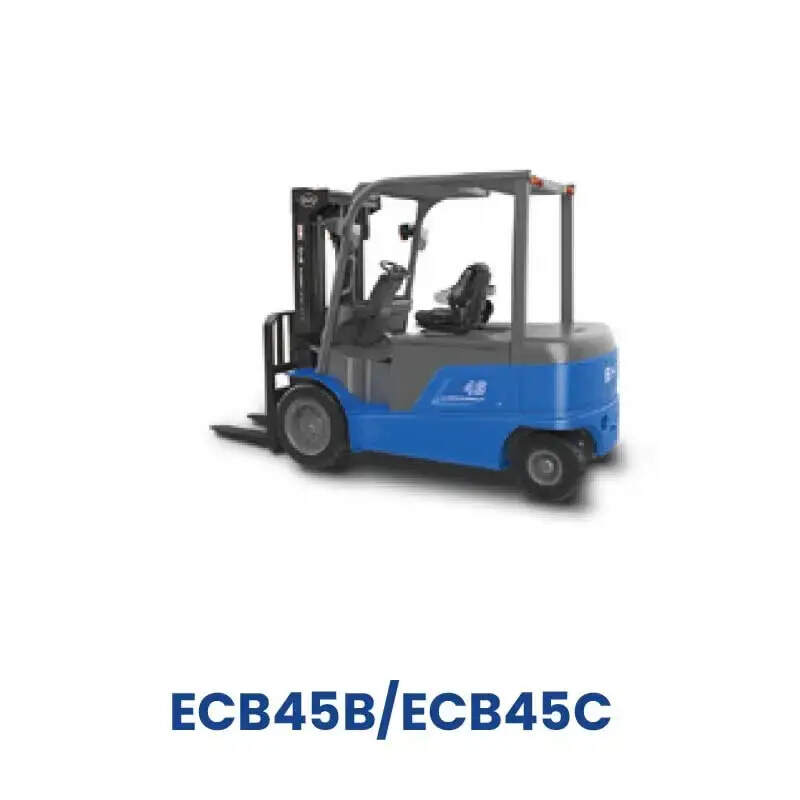
With the continuous expansion of low-carbon, high-efficiency material handling demands across global industrial and warehousing sectors, electric forklifts have become a widely accepted mainstream equipment option for most indoor and partial outdoor operation scenarios. This practical guide sorts out targeted, actionable operation and maintenance know-how for frontline operators and warehouse managers, to help them get stable long-term performance from electric forklift fleets.
Pre-operation Check Specifications
Before starting any formal operation shift, operators need to complete a full-range routine inspection that takes no more than 3 minutes. The first step is to observe the outer structure of the whole vehicle, confirm there is no visible crack or deformation on the mast, fork arm and tire surface, then check the power display module to confirm remaining electricity can support the whole shift’s planned workload, to avoid sudden power outage in the middle of high-position stacking operation. Operators also need to test the brake system, steering sensitivity and warning horn function before lifting the first batch of cargo, to eliminate potential safety risks in advance.
Daily Routine Maintenance Best Practices
Standardized daily maintenance can effectively extend the service cycle of electric forklift core components, and reduce unplanned downtime. After finishing the daily operation, operators are suggested to park the vehicle at the designated charging area, wipe off dust, cargo residues and sundries attached to the body surface, especially the heat dissipation ventilation ports of the power system, to prevent accumulated blockage from affecting heat dissipation efficiency. The charging process needs to follow the official specified current and voltage requirements, do not use mismatched charging equipment for long-term frequent use, and do not drain the full power of the battery pack completely before recharging, which will cause extra loss to the battery activity.
Safe Operation and Efficiency Optimization Tips
During the whole operation process, operators need to adjust the driving speed according to different site conditions, slow down when turning, passing narrow aisles or crossing the pedestrian moving area, and do not carry overloaded cargo beyond the rated load capacity for a long time. When stacking goods at high positions, keep the mast as vertical as possible to keep the center of gravity of the whole vehicle stable, avoid sharp acceleration and sharp brake operation. Regularly arrange operation personnel to receive targeted skill training, help them get familiar with performance characteristics of different operation scenarios, can further improve the comprehensive utilization rate of the electric forklift fleet, and create stable value for daily material handling work.


