
 简体中文
 Русский
 Français
 Português
 Español
 لالعربية


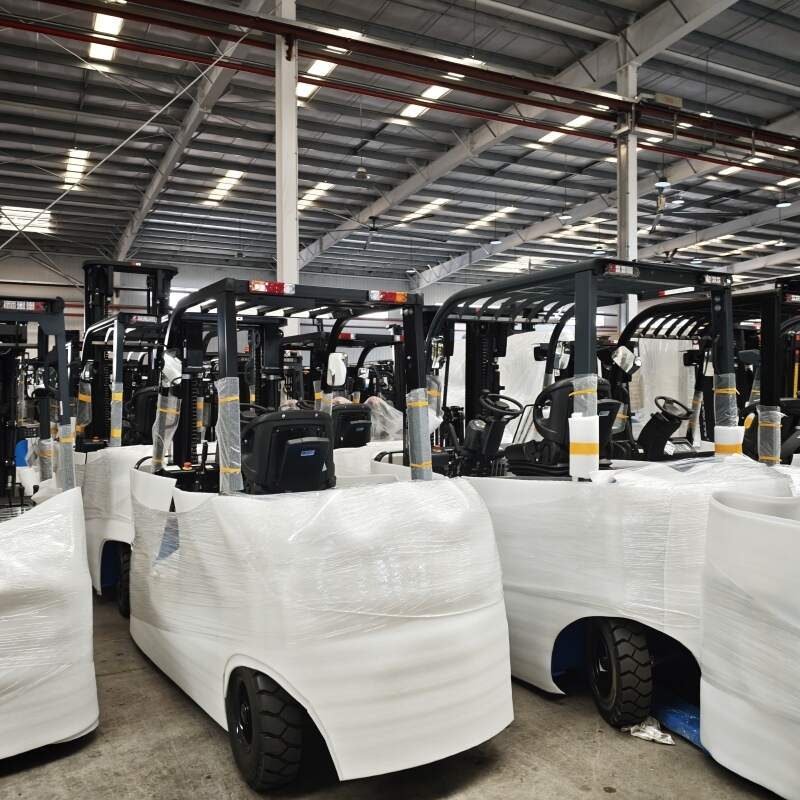
Electric forklifts have become one of the most widely applied material handling tools in modern warehouse, manufacturing and logistics scenarios, thanks to their low noise, zero local emission and relatively flexible operation attributes. For frontline operators and site managers, mastering proper usage and management methods can fully release the equipment’s functional value while extending its service cycle to a large extent.
Core Operating Specifications for Daily Scenarios
Before starting any operation, operators need to complete a full pre-check covering the power system, brake performance, lifting mechanism and tire condition, to rule out hidden risks in advance. During the operation process, operators should keep the load weight within the rated bearing range, avoid sharp steering on slippery ramps, and keep a safe distance from surrounding personnel and stacked goods. When the lifting height of the fork exceeds the site’s safe threshold, the driving speed should be reduced appropriately to avoid unstable center of gravity caused by high-position loads. Operators are also suggested to avoid sudden acceleration or emergency brake during daily driving, to reduce extra wear of related components.
Regular Routine Maintenance Best Practices
Unlike internal combustion counterparts, electric forklifts focus more on the maintenance of power components and electrical connection systems in daily upkeep. Operators should wipe the surface of the power core with dry soft cloth after each shift, avoid washing the electrical components directly with high-pressure water, and regularly check the tightness of each wiring interface to prevent poor contact caused by long-term vibration. The lubrication points of the transmission and lifting parts can be added with special grease according to the use frequency, to reduce component wear caused by long-term high-intensity operation. Professional technicians can be arranged to conduct a full systematic inspection every 3 to 6 months according to actual usage intensity.
Energy Consumption Optimization Tips for Long Shifts
Reasonable operation habits can effectively reduce unnecessary energy loss and extend the continuous working time of a single charge. For sites with long continuous operation time, operators can arrange rest periods to carry out supplementary low-power charging when the remaining power is kept at 20% to 30%, to avoid deep power loss that causes damage to the power storage unit. It is also recommended to plan the handling route reasonably according to the layout of the operation site, reduce unnecessary empty load round trips, and further improve the overall operation efficiency. Following these scientific usage rules can help relevant teams get more stable operation performance of electric forklifts, and create more practical value for daily material handling work.


