
 简体中文
简体中文 Русский
 Français
 Português
 Español
 لالعربية

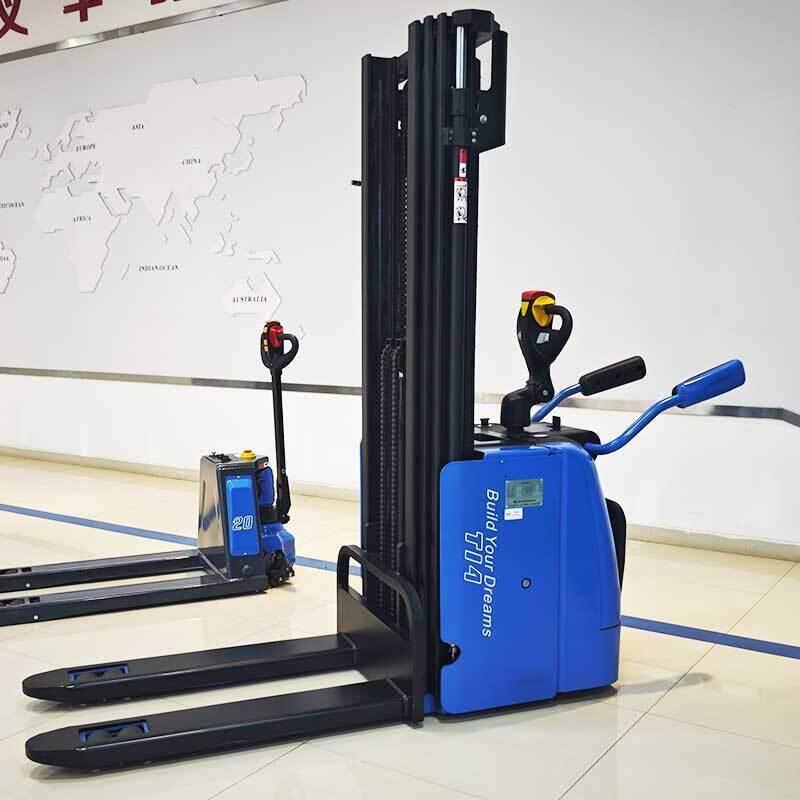
As a core piece of industrial material handling equipment, electric forklifts have been widely adopted in various logistics, manufacturing and storage scenarios in recent years. For frontline operators and warehouse managers, mastering systematic knowledge of electric forklift application can effectively improve operation stability and extend the service life of equipment.
Core Performance Characteristics of Modern Electric Forklifts
Different from traditional internal combustion handling equipment, modern electric forklifts produce no local exhaust emissions during operation, and generate far lower running noise that meets the environmental requirements of closed indoor workspaces. The power output system of electric forklifts provides smooth and adjustable torque output, which brings more stable control experience for operators during frequent start-stop, short-distance transfer and cargo stacking operations. Most current mainstream models are designed with ergonomic operation handles and adjustable sitting positions, which can reduce the long-term work fatigue of operators to a certain extent.
Key Points of Daily Routine Maintenance
Reasonable daily maintenance is the core premise to keep electric forklifts in good working condition. Operators need to check the remaining power status of the power module before starting the machine every day, clean the dust and debris around the motor heat dissipation port, and check the wear degree of the brake pads and operation transmission parts. It is not recommended to run the equipment until the power is completely exhausted in daily use, and regular proper lubrication of the lifting guide rail and rotating connection parts can reduce the wear of mechanical structures. Staff should also arrange regular professional inspection of the internal circuit system to avoid potential safety hazards caused by aging wires.
Standardized Operation Specifications for Safety Production
All operators need to receive systematic pre-job training before using electric forklifts. When carrying loads close to the rated load, operators should avoid rapid steering and emergency braking to prevent cargo from falling. When lifting the goods to a high position, staff should pay close attention to the surrounding obstacles and overhead obstacles to avoid collision. When the equipment is not in use for a long time, the power main switch should be turned off, and the forks should be lowered to the lowest position and parked in the designated safe area of the warehouse. Matching equipment parameters with actual operation scenarios can further improve the overall operation efficiency of the whole material handling link.


