
 简体中文
 Русский
 Français
 Português
 Español
 لالعربية


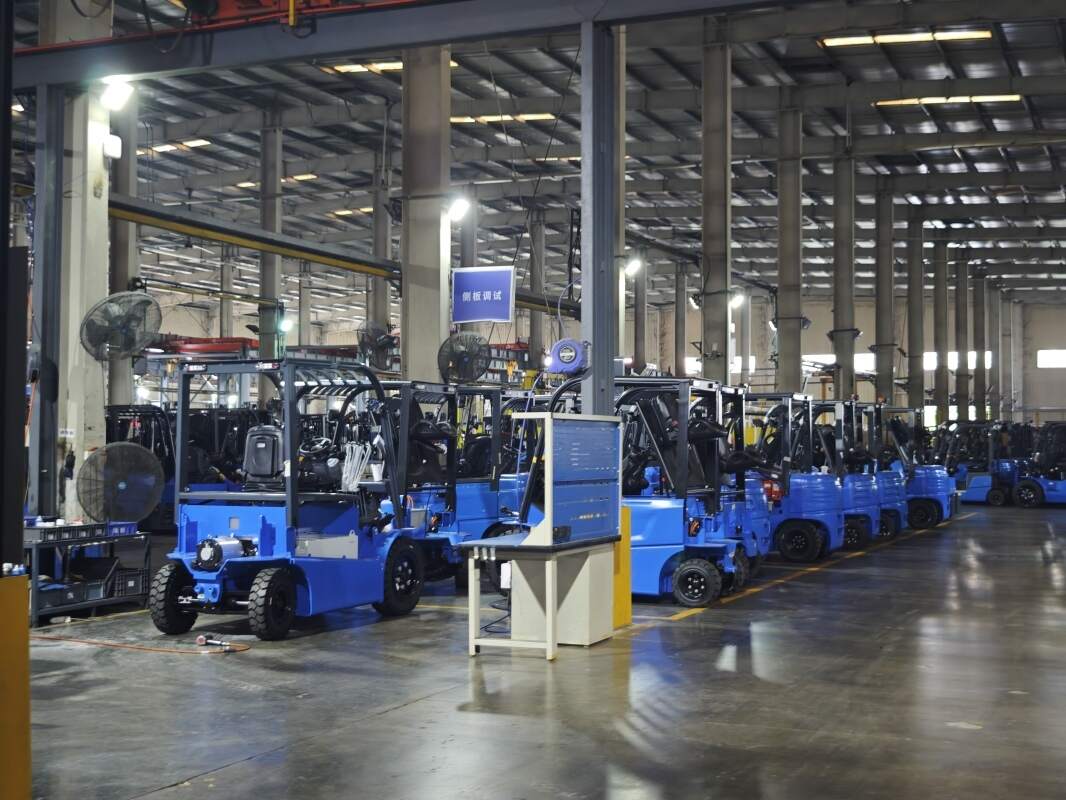
In recent years, electric forklifts have become a mainstream choice for indoor and enclosed site material handling scenarios, as the whole logistics industry pays more attention to low-carbon operation and staff working environment optimization. Mastering correct use and maintenance knowledge of electric forklifts can help operation teams get stable performance output for a long time, and avoid unnecessary downtime caused by improper operation.
Core Performance Features of Modern Electric Forklifts
Different from internal combustion powered handling equipment, electric forklifts run on stored electric energy, which will not produce tail gas emission during operation, so they are very suitable for closed warehouse, food processing workshop, pharmaceutical storage and other scenarios with strict requirements for air quality. The whole operation process has relatively low noise, which can reduce noise interference to surrounding staff, and avoid the long-term hearing damage caused by high noise working environment. Its power output curve is smooth and controllable, which can support operators to complete fine stacking, goods picking and low-speed material transfer operations stably.
Standardized Daily Operation Specifications
Before starting each shift, operators need to conduct a basic visual inspection of the equipment, check the remaining battery power, brake sensitivity, lifting chain tightness and the smoothness of operating lever adjustment. During driving process, staff should control the running speed according to the site condition, keep enough safe distance with surrounding stacked goods, pedestrians and other handling equipment, reduce sharp steering and sudden braking actions as much as possible. When charging the equipment, users need to place the forklift in a well-ventilated designated area, check the cleanliness of the charging interface before plugging in, and do not pull the power cord with external force to avoid damage to the circuit structure.
Practical Routine Maintenance Suggestions
After finishing daily operation, operators can wipe off the dust, debris and residual goods on the surface of the equipment in time, especially keep the heat dissipation gaps of the motor and battery in unblocked state, to avoid overheating risk caused by accumulated dust. It is recommended to arrange professional technicians to check the sealing performance of hydraulic system, wear degree of solid tires, and the health status of battery cells every fixed period according to the actual use frequency, and replace the worn parts in time. It is not recommended to store the equipment under fully drained battery status for a long time, which can effectively extend the overall service cycle of the whole equipment. After following the above operation and maintenance rules, electric forklifts can keep stable operation efficiency in most daily material handling scenarios, and bring reliable support for the smooth operation of the whole logistics system.


