
 简体中文
简体中文 Русский
 Français
 Português
 Español
 لالعربية

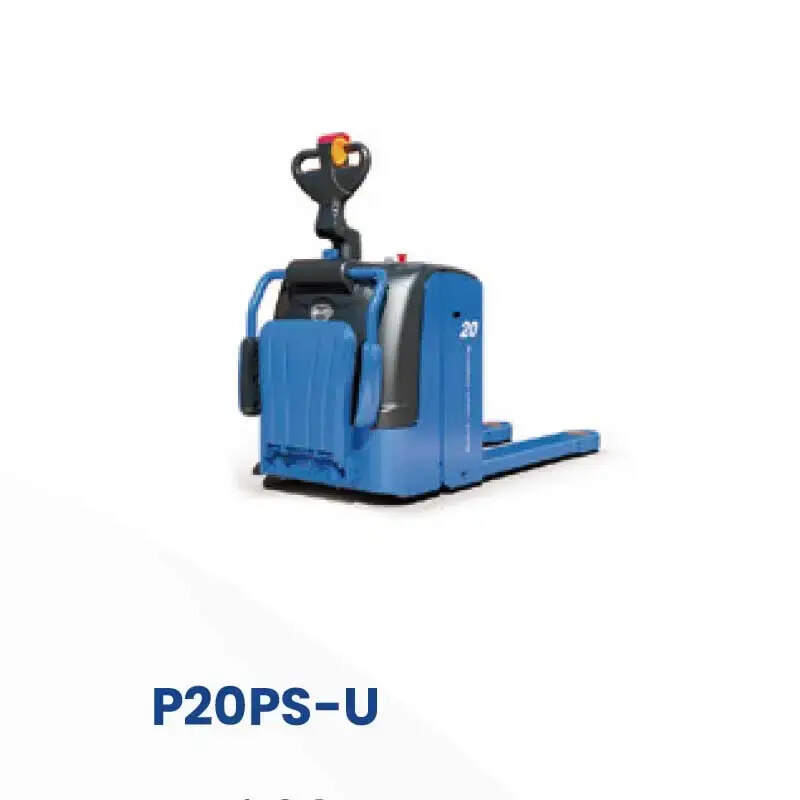
As the logistics and warehousing industry keeps growing rapidly, electric forklifts have become one of the most widely applied material handling equipment in indoor operation scenarios in recent years. Proper mastery of relevant professional knowledge can help operation teams maximize the value of the equipment while reducing unnecessary operation risks.
Core Functional Advantages of Electric Forklifts
Compared with traditional internal combustion handling equipment, electric forklifts produce no direct exhaust emission during operation, which fits the environmental protection requirements of closed indoor storage spaces, and will not cause discomfort to long-term on-site staff. The overall noise level during working status is much lower, which can reduce noise interference in the warehouse area, and help staff communicate more smoothly during cross-team cooperation. The energy supply structure of electric forklifts is relatively stable, and the daily energy replenishment process does not involve complicated fuel storage and approval procedures, which can simplify the daily management flow of the warehouse operation team.
Standard Daily Operation Specifications
Before starting each shift, operators need to complete basic pre-use inspection work, including checking the remaining battery level, testing the sensitivity of the braking system, confirming that there is no obvious deformation or damage on the fork arms, and checking the normal status of the warning light system. During the operation process, operators need to strictly follow the rated load limit requirements, avoid overloading the equipment for a long time, keep low driving speed when passing through ramp areas or narrow passages, and avoid sharp steering actions at high speed. When the equipment is not in use for a long time, it is recommended to adjust the battery power to the specified storage range, and avoid long-term placement under full power or zero power status, to extend the overall service life of the battery pack.
Common Misoperations to Avoid
During daily usage, operators are not advised to keep the equipment running at the highest speed for more than one consecutive hour, which may cause extra load to the drive motor. Do not drive the electric forklift on the road where the accumulated water depth exceeds the specified safety threshold, to prevent potential damage to the internal circuit system. It is also not allowed to use the fork arms to lift personnel to complete high-altitude operation tasks, to avoid unnecessary safety risks. The heat dissipation openings of the motor should be cleaned of accumulated dust and sundries regularly, to guarantee good heat dissipation performance and reduce extra equipment loss.


